Quick Take
What you should know before you book
Dubrovnik is worth it, but only if you plan around crowds and cost instead of acting shocked by either one. The city walls are the main event, the Dubrovnik Pass is usually the right buy, and staying outside the Old Town often makes the trip better rather than less romantic.
- Best for: first-time Croatia visitors, history lovers, and anyone happy to trade some peace for one of Europe's most striking urban settings.
- Main tactic: do the walls early or late, and treat midday in the Old Town as something to manage rather than something to wander into blindly.
- Best base: Lapad or Ploce for most travelers, with Gruz as the more practical value play.
- Budget reality: Dubrovnik is Croatia's most expensive city, so the trip works much better when you book the room early and choose your paid sights intentionally.
In This Guide
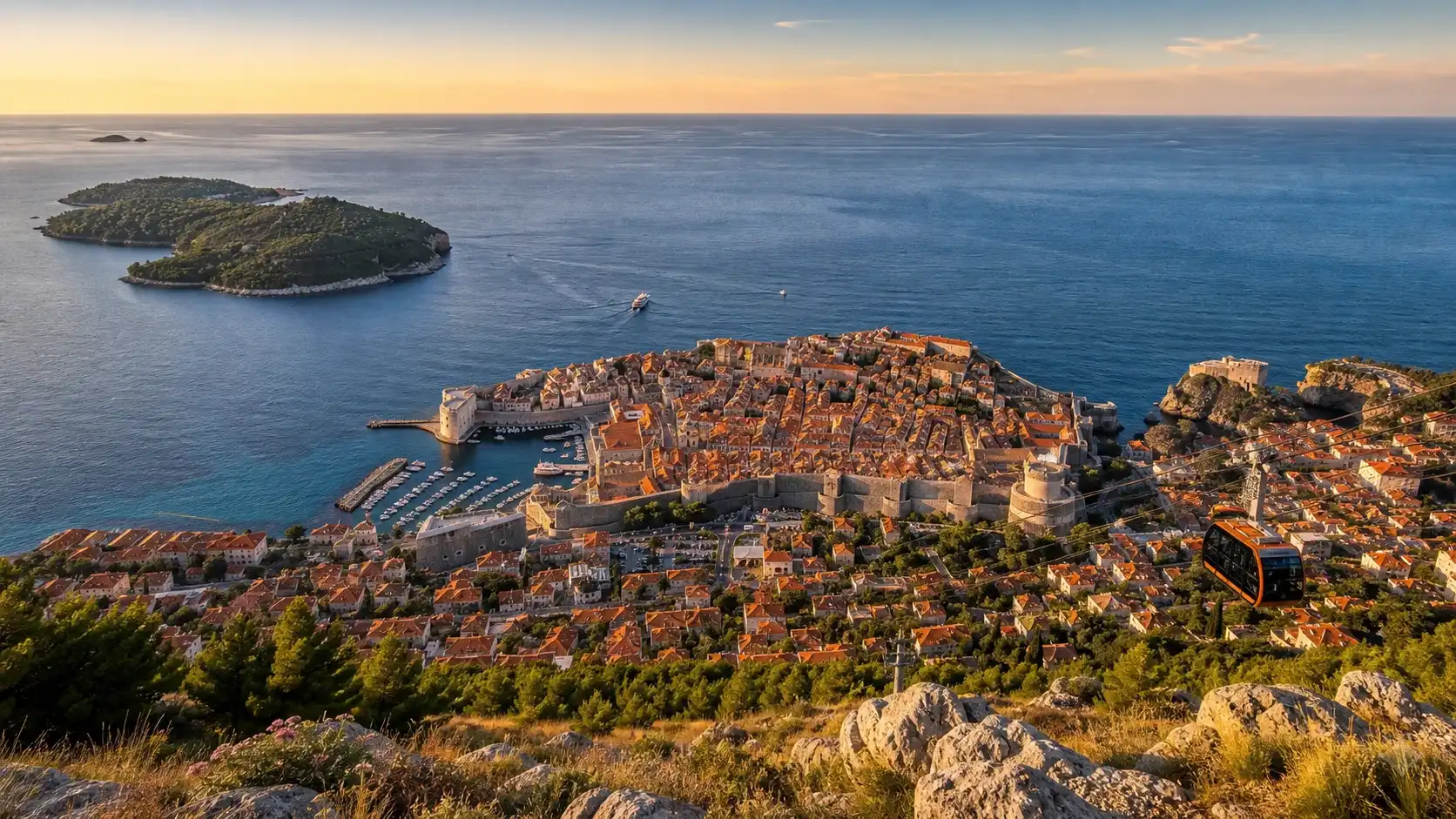
Dubrovnik is one of the most immediately striking cities in Europe. The first view through the gates still works. The city walls are genuinely spectacular. The Adriatic backdrop is real, not a brochure exaggeration.
It is also one of the most overrun places on the Mediterranean circuit, and that changes the trip more than many guides admit. Dubrovnik is a place where timing matters enough that the exact same street can feel magical at 8 a.m. and almost comically overcrowded a few hours later.
The Honest Take
The useful Dubrovnik question is not “is it worth it?” It is “can I visit it in a way that justifies the price and the crowd pressure?”
My answer is yes, but only with a plan. If you want a city that rewards drifting with no timing logic at all, this is not that city in peak season. If you are happy to start early, book the right base, and treat the Old Town like a high-demand sight rather than a casual background, Dubrovnik still pays off.
"Dubrovnik is not hard to love. It is just easy to do badly."
Getting There
Dubrovnik Airport has solid seasonal coverage from European hubs, and the airport-to-city transfer is easy enough that arrival is not the real challenge of the trip. The real challenge is what kind of Dubrovnik day you build once you get there.
The airport shuttle is usually the cleanest answer unless you are arriving extremely late or with enough luggage to make a taxi worth it. If you are combining Dubrovnik with other Adriatic stops, the bus-and-ferry logic matters more than most first-timers expect, because coastal travel looks simple on a map and becomes slower in real life.
Book the Room Before the Fantasy
Dubrovnik accommodates early. A smart neighborhood choice usually matters more than arguing over a tiny transport difference once you are already on the coast.
Dubrovnik Pass and City Walls
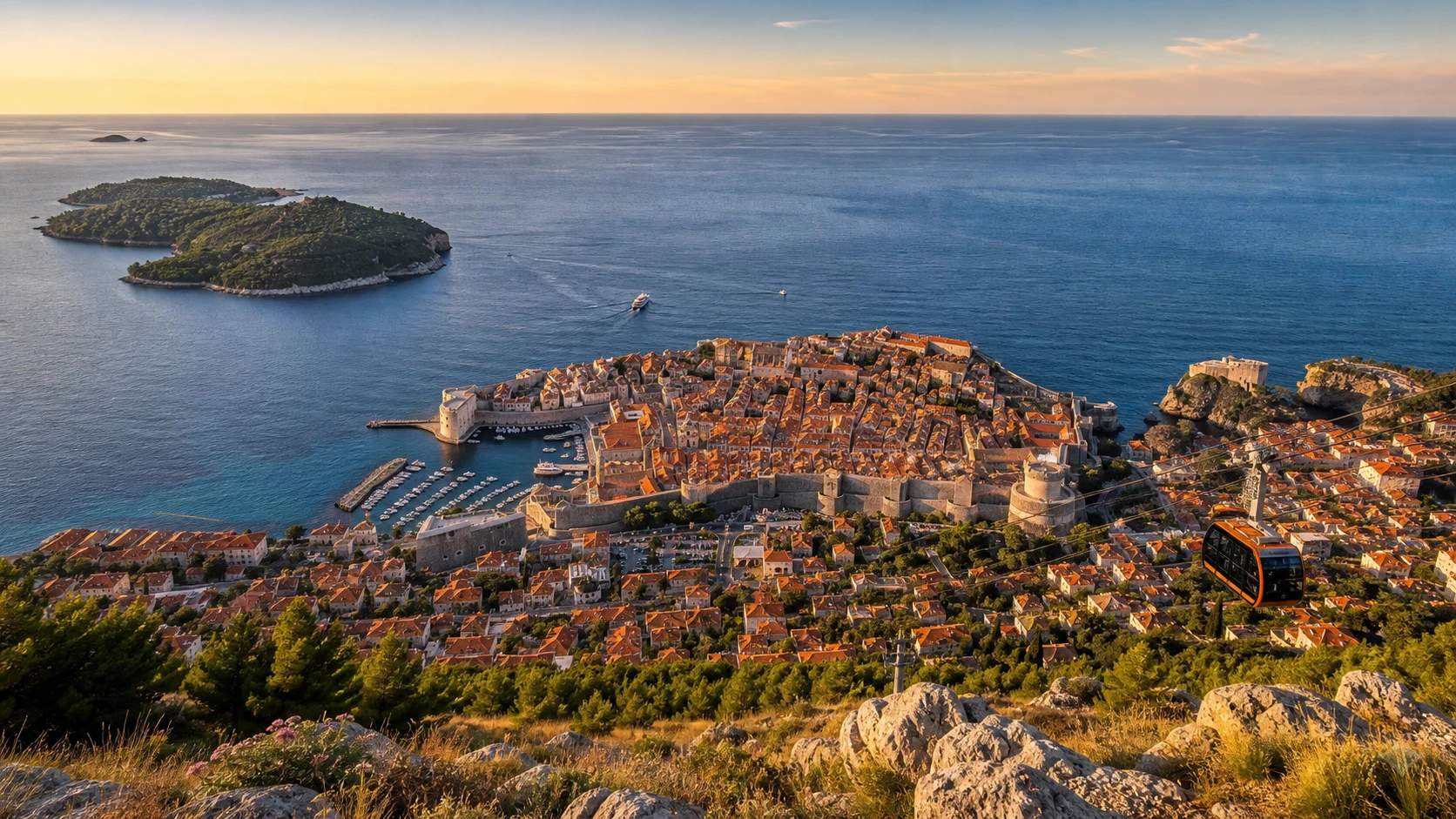
The city walls are still the single best thing to do in Dubrovnik. They are scenic enough to justify the hype and exposed enough that timing matters immediately.
The Dubrovnik Pass is usually the right choice because it turns the main paid sight into the anchor for a broader day instead of making every entry feel separate and expensive. Even if you are not planning a museum-heavy schedule, it usually makes more sense to buy the structure that includes the walls than to pretend you are keeping the day minimalist while still paying premium Dubrovnik prices.
My recommendation is simple:
- book the pass ahead
- do the walls early or late
- do not save them for the brutal middle of the day
Crowd Strategy
This is the real logistics section.
Dubrovnik’s crowd problem is not incidental. It is the main practical variable that determines whether the trip feels worth the trouble. Cruise-ship pressure and midday compression make the Old Town noticeably less enjoyable when you arrive at the same time as everyone else.
The best pattern is:
- before 9 a.m. for the walls and the cleanest city atmosphere
- midday for museums, lunch, or leaving the Old Town entirely
- after 5 p.m. for the softer, better version of the city once the day-tripper pressure eases
If you do not want to wake early, then at least accept that you are buying the more crowded version on purpose and plan the rest of the day accordingly.
What to Do
The walls are first. After that, Dubrovnik works best as a mix of smaller pieces rather than a long attraction list.
Fort Lovrijenac is worth the detour if you want a second fortress perspective without needing a completely different kind of day.
The Stradun is worth seeing early, before it becomes a pure traffic corridor.
Buza Bar is one of those expensive-but-still-fun Dubrovnik moves if you time it right and accept that the setting is what you are paying for.
The cable car is not cheap, but the top-of-mountain payoff is strong enough that I would not talk people out of it if they like viewpoints and want the cleanest panoramic read of the city.
Lokrum Island
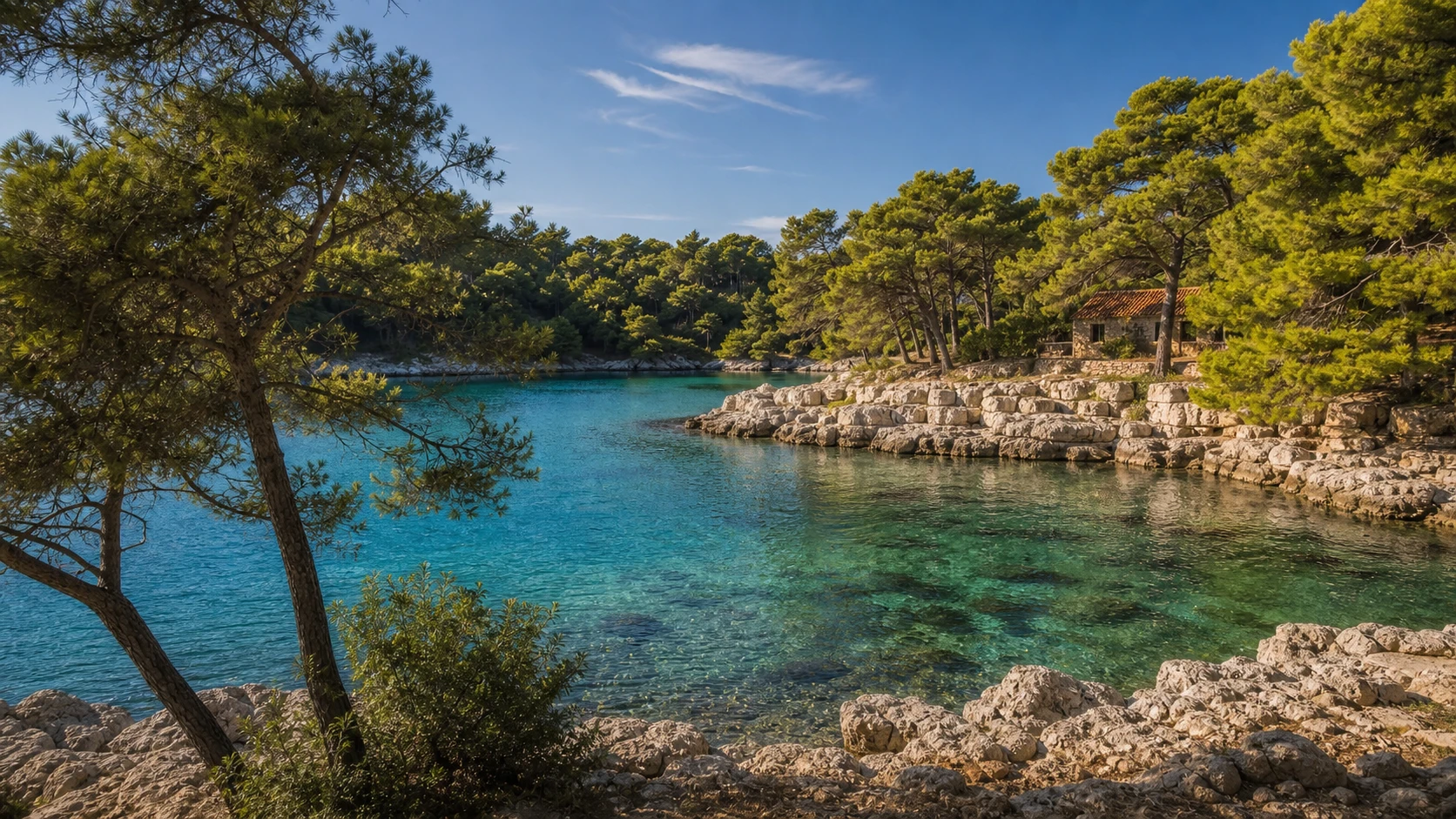
Lokrum is the cleanest half-day escape when the Old Town starts feeling too compressed. The ferry is easy, the atmosphere is calmer, and the island gives you a different texture without asking for much planning overhead.
I like it most as a pressure-release choice, not as the central point of the trip. If Dubrovnik’s main streets are starting to feel too crowded or too expensive by early afternoon, Lokrum is an elegant way to stop fighting the city for a few hours.
Where to Eat
Dubrovnik is expensive enough that lazy food choices get punished quickly.
The basic food rule is to widen the radius. The closer you eat to the most obvious old-town lanes, the more likely you are to pay for position rather than cooking. Konobas and calmer neighborhood restaurants outside the hardest tourist core are where the city starts making more financial sense.
That does not mean the entire Old Town is a write-off. It means you should stop rewarding the first menu that happened to be nearest your photo stop.
Use the Good Neighborhoods, Not Just the Famous Ones
Lapad and Ploce usually give you a better room-and-dinner combination than trying to force every hour of the trip inside the walls.
Where to Stay
Inside the Old Town is the atmospheric answer, not the practical one. It can be worth it if the atmosphere is the whole point and the budget is not fragile.
Ploce is one of the best balance choices: close enough to feel central, slightly removed from the worst of the foot traffic.
Lapad is the better broad recommendation for most travelers. You get a more livable base, easier beach access, and a better chance of not resenting your room cost.
Gruz is the value-minded practical district. It is less romantic and often more sensible.
If I were giving one first-timer recommendation without knowing anything else, I would say Lapad unless the person specifically values old-town atmosphere over nearly everything else.
Budget Breakdown
Dubrovnik is Croatia’s most expensive city by enough of a margin that it should shape your planning from the beginning.
| Category | Budget traveler | Mid-range |
|---|---|---|
| Accommodation | €40-70 | €100-200 |
| Food | €30-45 | €55-80 |
| Sights | €15-20 | €20-30 |
| Local transport | €5-8 | €8-15 |
The trip does not become affordable by accident. It becomes manageable when you book the hotel early, avoid bad location premiums, and stop paying premium prices for the weakest version of the Old Town day.
Day Trips
Mostar and Kotor are the obvious higher-effort day-trip names, and both can be worth it if you have enough nights in Dubrovnik to justify sacrificing one. Lopud and Cavtat are the calmer coastal options if you want a lower-energy change of pace.
If you only have two or three nights, I would not overcomplicate the itinerary. Dubrovnik already demands enough timing attention without adding a border crossing or a long transfer just because the map made it look tidy.