Quick Take
What you should know before you book
For most first-timers, the smartest Amalfi Coast trip is not staying in Positano. I would base in Praiano, Amalfi, Maiori, or even Salerno depending on budget, use ferries whenever they make sense, and treat buses as useful but imperfect rather than magical.
- Naples arrival: the official Alibus from Naples Airport to Napoli Centrale costs €5, then continue by train toward Sorrento or Salerno.
- Bus strategy: the official COSTIERASITA pass costs €10, is valid 24 hours from first validation, and covers unlimited SITA rides across the main coast towns.
- Ferry reality: Travelmar runs year-round, but tickets are route-specific and there is no single daily ticket covering both Amalfi and Positano.
- Best-value bases: Praiano for balance, Maiori or Minori for value, Amalfi for transport convenience, Salerno for easiest logistics.
In This Guide
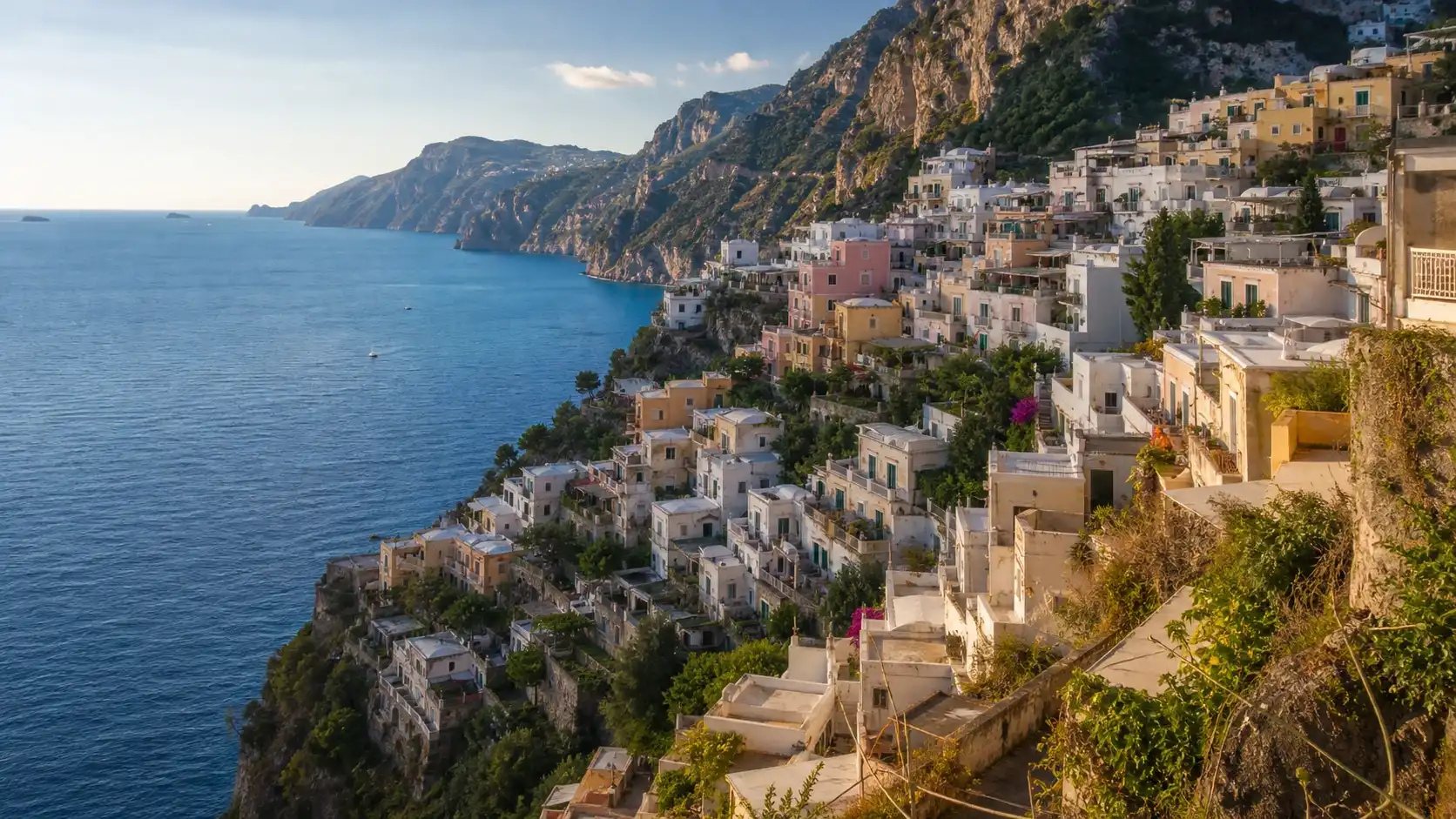
The Amalfi Coast is one of those places where the beauty is not the problem. The problem is that the beauty makes people stop asking practical questions. They book Positano because that is the image they know, assume transport will somehow sort itself out, and only later discover that the coast is less a single destination than a chain of small towns with very different price points and very different logistical personalities.
That is why so much Amalfi Coast advice feels useless. The photos are accurate. The planning is usually not. This region rewards decisions more than sightseeing volume: where you sleep, whether you move by bus or ferry, how much vertical walking you can tolerate, and whether you are trying to have a beautiful trip or a luxury-signaling trip.
If you are coming down from Florence or continuing on to Rome, treat the coast as your scenery-and-slower-rhythm stop, not as another city checklist. The best version is less about “doing everything” and more about building a base that lets the whole place feel manageable.
Getting There
The main air gateway is still Naples Capodichino Airport. The official Alibus from the airport to Napoli Centrale costs €5, which is the first useful number to know because it gets you to the rail network without much fuss.
From there, you have two practical approaches.
Via Sorrento works best if you are sleeping on the western side of the coast, especially Positano or Praiano. The route is airport to Naples Centrale, then onward toward Sorrento, then SITA bus or ferry. This is the version people picture first, and it can work, but it is not automatically the easiest.
Via Salerno is the cleaner move for more people than the internet tends to admit. If you are arriving by high-speed rail from Rome, Florence, or farther north, Salerno is often the calmer handoff. From there, you can continue by ferry to Amalfi, Maiori, Minori, Cetara, or Positano, and you avoid some of the churn that comes with the Sorrento side. If your Italy route includes multiple train legs, the broader planning logic in this guide to traveling Europe by train applies here too: stay on the strong rail corridors as long as possible, then make one deliberate transfer into the coast.
My general rule:
- If you are staying in Positano or Praiano, compare the Sorrento and Salerno approaches.
- If you are staying in Amalfi, Maiori, Minori, or Salerno, I would bias toward Salerno.
- If you land late, do not force the full transfer chain the same night unless the timing is excellent. An overnight in Naples or Salerno can be the saner choice.
"The Amalfi Coast is not hard because it is mysterious. It is hard because people keep treating a cliff-side region like a flat city with one central station."
Getting Around
There is no train running along the Amalfi Coast itself. Once you are in, you are working with buses, ferries, taxis, and your legs.
For buses, the most useful official ticket is the COSTIERASITA pass. SITA Sud says it costs €10, is valid 24 hours from first validation, and allows unlimited rides across the main coast towns and their approaches, including Amalfi, Positano, Praiano, Ravello, Sorrento, and Salerno. It is personal and has to be validated on first use. That is the bus pass that actually matters.
The second practical note is that buying bus tickets should happen before the stress starts. SITA lists sales points and also points travelers toward digital purchases through apps such as UnicoCampania, Mooney, and DropTicket. I would not leave this to chance when the bus is already pulling in and a crowd is building.
Ferries are usually the better experience when they line up with your route. Travelmar operates year-round and is explicit about two things that matter for planning: there is no single day ticket that lets you freely hop both Amalfi and Positano, and if you want to stop in Amalfi on the way to Positano you need separate tickets for each leg. In other words, ferries are often the nicest transport on the coast, but not the simplest product.
My own hierarchy is straightforward:
- Ferry when the weather is good and the route makes sense.
- Bus when the ferry does not help or the timing is better.
- Taxi only when you are paying to solve a very specific problem.
The thing most people underestimate is crowd risk. A bus that exists on the timetable and a bus you successfully board in late June are not always the same thing. Ferries can be more comfortable, but they are weather-dependent. I am inferring that caveat from Travelmar’s own transport conditions and the way the operator reserves the right to change service for conditions outside its control.
If you have luggage, a hotel check-in deadline, or a dinner reservation you care about, do not build the day around one "perfect" coast transfer. Give yourself a backup bus or ferry option and assume something may run late, fill up, or get bumped by weather.
Where to Base Yourself
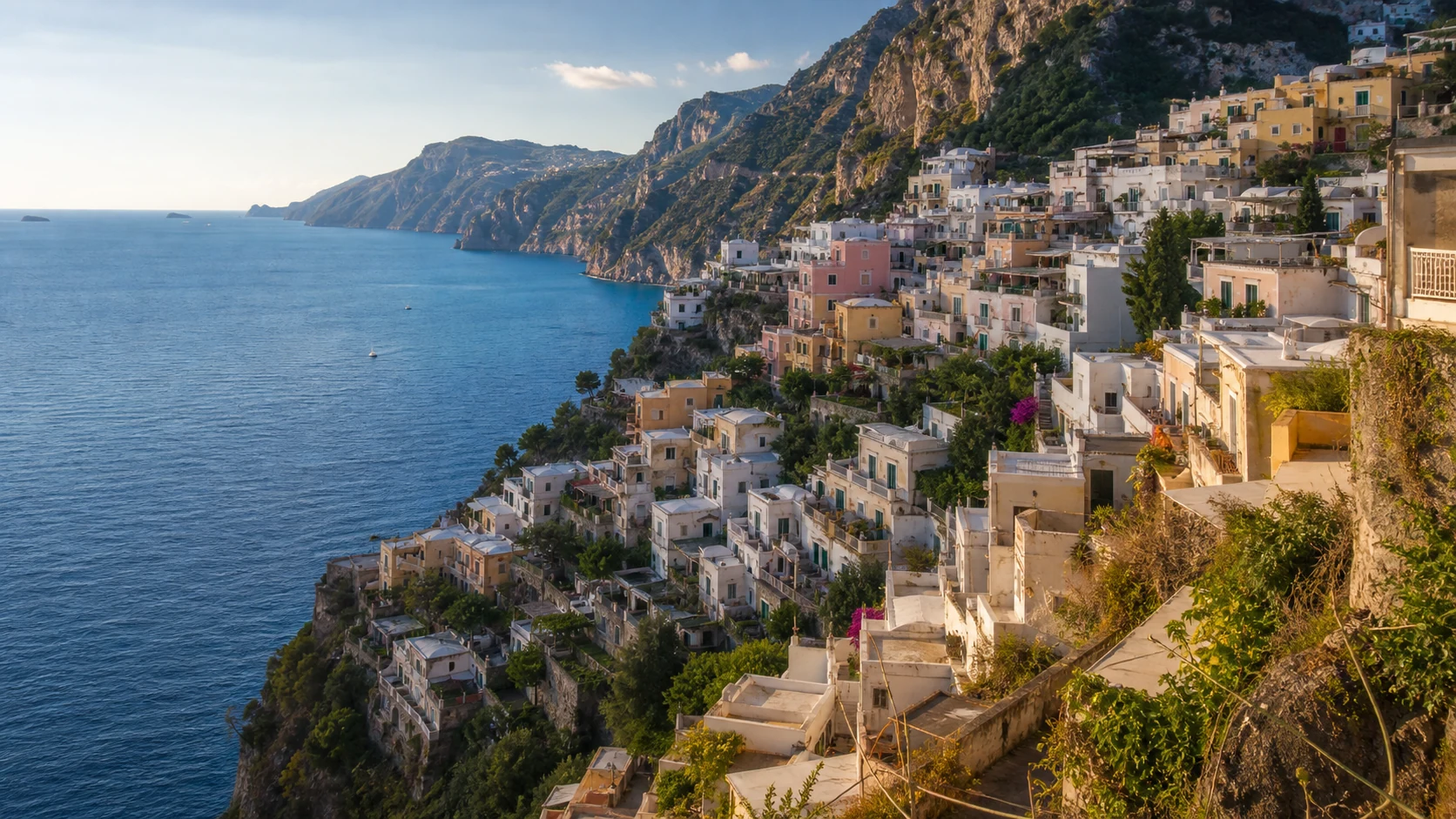
This is the choice that determines whether the coast feels cinematic or exhausting.
Positano is the obvious fantasy base. It is also the easiest way to spend a disproportionate amount of money for a stay that may involve hauling luggage up steps, paying extra for everything nearby, and sleeping in the densest tourist spotlight on the coast. I would stay here only if the splurge is the point.
Praiano is my favorite compromise. You still get the cliffside beauty and the right atmosphere, but the pressure level drops. Prices are usually less punishing than Positano, and it works well if you want a quieter base with reasonable reach.
Amalfi town is the logistics-first choice inside the postcard zone. It is busier in the daytime than some people expect, but it is a real transport hub, which matters. If I wanted the coast to feel efficient without sleeping all the way out in Salerno, Amalfi would be near the top of my list.
Maiori and Minori are where I would look first if value matters. They are less hyped, often flatter, and generally kinder on accommodation budgets. They also make sense for travelers who want easier beach access and do not need to say they stayed in Positano.
Ravello is beautiful but not the first base I would recommend for most people. It is elevated, elegant, and worth visiting, but it is not as frictionless for everyday coast movement as Amalfi or Praiano.
Salerno is the smart outsider choice. You lose the fantasy of sleeping in the heart of the coast, but you gain rail access, better prices, easier arrivals, and straightforward day-trip flexibility. For travelers doing a wider Italy route, especially after longer city legs, that trade can be excellent.
As a rough pattern, the accommodation ladder usually looks like this:
- Positano: highest prices, lowest value for most budgets
- Praiano / Amalfi: strong mid-tier bases if you choose carefully
- Maiori / Minori: better value while still feeling coast-specific
- Salerno: easiest logistics and often the best pricing
Search Hotels by Town, Not by Coastwide Map
Start with Praiano, Amalfi, Maiori, Minori, and Salerno before you widen the search. That one decision usually saves more money than trying to optimize every meal or ferry ticket later.
What to Actually Do
The coast works best when you build around a few deliberate half-days instead of treating every town as a mandatory stop.
Ravello is one of the cleanest wins. Villa Rufolo is still worth the time for the terrace views and gardens alone, and the town gives you a completely different vantage point from the water-level experience. The official Villa Rufolo site currently lists daily opening with a last entry in the early evening, but it also warns that hours can change with events, so I would check the site close to your date rather than trusting any old blog post, including mine.
Amalfi town is more than a transfer point. It is where you can anchor a day with the cathedral area, a proper lunch, and a slower wander rather than just treating the port as somewhere to change vehicles.
Positano is worth seeing even if you do not sleep there. My advice is simple: go early, go late, or go with realistic expectations. Midday Positano in peak season is the version most likely to make you feel like you paid for a crowd simulation.
One sea-based day is usually a better idea than one more road-based hop. Even if you are trying to stay reasonable on budget, a ferry day often gives you a calmer, more memorable version of the coast than another round of standing at bus stops.
Capri is only worth adding if you have enough time and enough energy. I would not use a short Amalfi Coast stay to prove that you can fit Capri in too. Two nights on the coast is not the moment to widen the radius.
What I would skip:
- Sleeping in Positano purely because it is the famous name
- Attempting every major town in one day
- Building the trip around car rental unless you already know exactly why you want the car
- Treating every waterfront restaurant as if the view guarantees the meal
Book Activities Selectively
The coast gets better when you book one or two things you genuinely want rather than padding the trip with generic boat tours and over-structured day packages.
The Path of the Gods
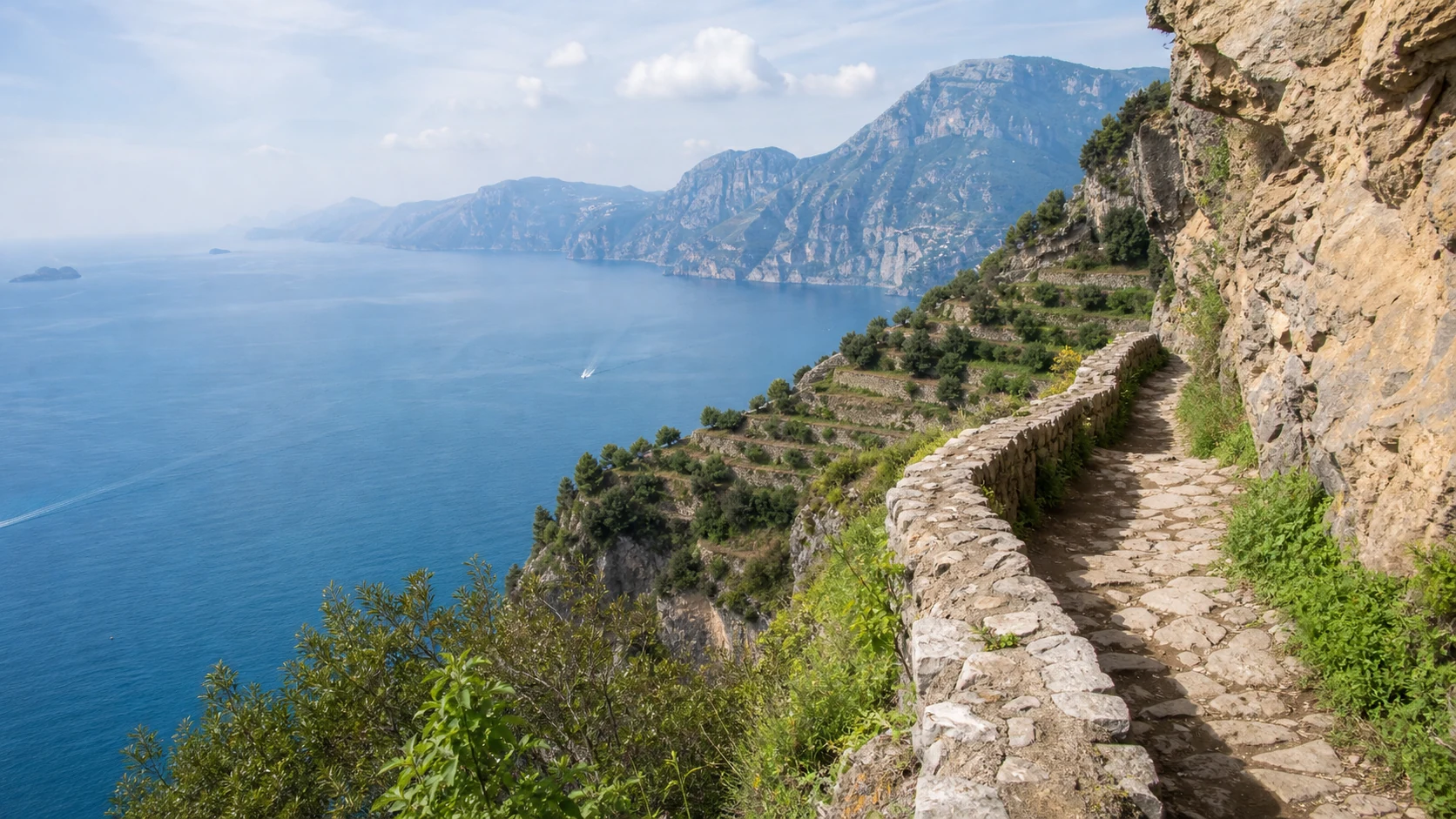
This is still the best no-luxury-required experience on the coast.
The usual route starts around Bomerano in Agerola and works toward Nocelle above Positano. That direction makes sense because you get the views opening in front of you and finish with the option of descending toward Positano. It is not a technical hike, but it is still a real hike. Start early, bring water, and do not pretend the stairs at the end are a minor detail if your knees already dislike long descents.
Travelmar has made this easier than it used to be. The company now explicitly markets a combined ferry-and-shuttle option that gets travelers from the coast into Bomerano, the trailhead area, and its current 2026 timetable PDF also lays out dedicated Path of the Gods combinations. That does not mean you have to book the packaged version, but it is a useful reminder that the hike is easiest when you plan the transport before the morning begins.
My honest take: if you are doing the Path of the Gods, make it one of the main things you do that day. Do not force a full village-hopping program around it. The payoff is the walk itself, the views, and the feeling of seeing the coast from above rather than from inside the transport grind.
Where to Eat
The Amalfi Coast can separate your money from you very efficiently, but food is still one of the easier places to stay sane if you keep your standards practical.
The basic rule is that the water view is rarely free. The same plate of pasta can cost materially more simply because you can see the harbor from the table. Sometimes that is worth it once. It is rarely worth it every day.
The dishes I would actually prioritize are coastal and simple: spaghetti alle vongole, grilled fish, fried seafood done fresh, anchovy-heavy dishes if you are near Cetara, and lemon desserts that are specific to the region rather than mass-produced tourist sugar bombs.
This is also one of those places where lunch strategy matters. A more casual lunch and one intentionally chosen dinner is usually the right rhythm. If you are in Positano for the day, I would rather do one drink with a view and eat more intelligently elsewhere than commit to the full seafront premium at every meal.
Towns like Maiori, Minori, and parts of Amalfi make it easier to eat without feeling trapped into the highest markup tier. Praiano can be a strong middle ground too, especially if you care more about a relaxed evening than about maximum restaurant volume.
What It Costs
The Amalfi Coast is not cheap, but it becomes much more manageable once you stop benchmarking everything against Positano.
| Category | Value-minded base | Comfortable mid-range |
|---|---|---|
| Accommodation | €110-190/night | €200-380/night |
| Breakfast | €4-8 | €4-10 |
| Lunch | €10-18 | €20-35 |
| Dinner | €18-32 | €35-65 |
| Transport | €5-15 | €10-30 |
| Activities | €0-20 | €15-60 |
| Daily total ex. hotel | ~€37-73 | ~€84-200 |
The single biggest lever is your base town. The second biggest is how often you decide that a convenience taxi or premium waterfront meal is “worth it.” Sometimes it is. The trouble starts when every decision defaults that way.
If I were trying to keep this trip under control, I would spend on one of three things:
- A better base town
- One ferry-heavy day
- One memorable dinner
I would not try to spend maximally on all three.
Practical Info
The best windows are still late May, June, and September. Early October can also work well. July and August are not wrong, but they are hotter, more crowded, and less forgiving of weak planning.
For trip length, I think three nights is the minimum where the coast starts feeling like a stay rather than a transfer project. Four or five nights is where you gain enough slack to choose weather windows, bus windows, and slower afternoons without feeling pressured.
On driving: most first-time visitors do not need a car on the coast itself. The roads are narrow, parking is expensive, and stress compounds quickly. If your goal is freedom, public transport plus selective taxis usually produces a better kind of freedom than white-knuckle parking searches.
On luggage: the coast has more steps than many people realize from photos. If you are doing a larger Italy run, this is one of the stops where packing lighter pays you back immediately.
On timing: I would never plan a tight same-day connection from a coast town to an important outbound flight if buses are your only plan. Build buffer. The coast is too beautiful to enjoy properly when you are trying to save forty minutes on a transfer that can unravel.
The Amalfi Coast is worth doing. It is just worth doing with clear eyes. Pick the right base, stay humble about transport, and spend for relief where it actually changes the trip. That is the version I would recommend to friends, and it is the one I would book myself.