Quick Take
What you should know before you book
Rome is worth the overload if you treat it as a sequence of timed anchors rather than a checklist. Book the Colosseum and Vatican, stay somewhere you can walk to dinner, and leave room for one neighborhood day; 4 full days is the humane version of a first visit, while 3 can work if you choose carefully.
- Best trip length: 4 full days for a first visit; 3 works if you choose the Colosseum, Vatican, and one slower neighborhood day.
- Booking reality: Colosseum time slots are compulsory and open 30 days before the visit; Vatican Museums' official skip-the-line ticket is €25.
- Transit reality: BIT tickets cost €1.50 for 100 minutes; ROMA24H is €8.50 and ROMA72H is €22.
- Best-value bases: Monti for a first visit, Trastevere for atmosphere, Prati for a Vatican-heavy plan, and Termini/Esquilino when price and connections win.
In This Guide
In This Guide
Rome is one of those cities where the standard travel guide advice — see the Colosseum, walk to the Forum, hit the Vatican — is both completely accurate and deeply insufficient. Yes, do all of those things. But do them in a specific order, with specific tickets booked at specific times, or you will spend a meaningful portion of your trip standing in queues that stretch back through the square in full June sun.
The gap between a well-planned visit and a badly-planned one is larger here than almost anywhere else in Europe. Book the Vatican without a timed entry slot and you might queue for hours. Show up at the Colosseum without a ticket and you’re looking at the same problem on a busy summer day. Since July 1, 2026, the Pantheon charges €7 for full-price admission. Rome requires some pre-trip planning. This guide is that planning.
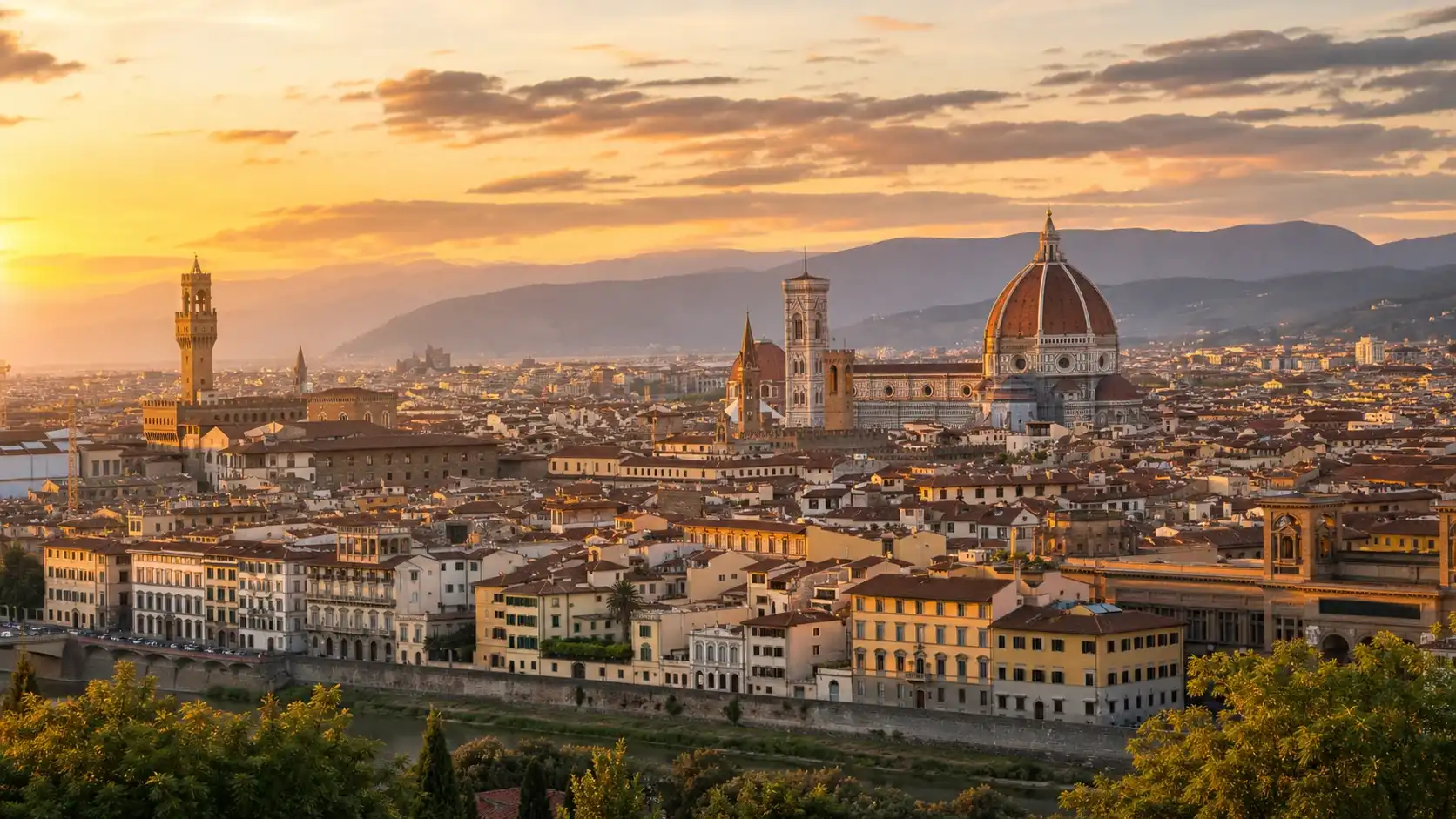
If Rome is one stop in a longer Italy trip, pair it with my Florence travel guide or the practical decision-making in Paris vs Rome. If you are building a wider European rail trip, the best trains in Europe is the useful companion page.
Getting There
Flights vs Train
Rome is far enough from much of Europe that there is no universal best arrival mode. If you are already in Italy, high-speed rail is usually the cleanest choice: Milan to Roma Termini is roughly 3 hours, and Florence is much closer. From farther north or across the Alps, compare the full door-to-door journey rather than a headline flight time.
For a trip of this distance, a flight often wins on elapsed time, but only after you add the airport transfer, security buffer, and the chance of a bad connection. The train is the calmer choice when you are already in northern Italy or when Rome is one leg of a multi-city rail itinerary.
The useful rule is simple: price the whole route, not just the ticket. Rome’s central station makes rail-to-hotel transfers straightforward; flying may still be right from farther away, but it is not automatically the smarter option because the air segment is short.
From the Airport into the City
Fiumicino (Leonardo da Vinci) — The Leonardo Express is a non-stop train to Roma Termini, takes 32 minutes, and is scheduled roughly every 15 minutes, with some periods at 30-minute intervals. Ticket: €14, bookable through Trenitalia or at the station. Regional trains are cheaper at €8 from the Rome ring zone but stop along the route and are a different service.
Ciampino (CIA) — There is no train station at the airport. The city buses 520 and 720 connect the airport with Rome’s transit network; a bus-train combination via Ciampino station is another option. A taxi from Ciampino to the Aurelian Walls has a current fixed fare of €40. Check the ATAC route and airport conditions for your arrival time rather than relying on an old shuttle fare.
Getting Around
Rome is one of the more walkable European capitals for the main sights — the Colosseum, Forum, Palatine Hill, Circus Maximus, and the Capitoline are all within a 15-minute walk of each other. Trastevere to the Vatican is about 35 minutes on foot. The historic center (Pantheon, Piazza Navona, Campo de’ Fiori) is walkable from most accommodation.
When you do need transit, ATAC runs buses, trams, and the metro. Verified 2026 prices from ATAC:
- Single BIT ticket (100 min, one metro direction + unlimited buses/trams): €1.50
- 24-hour pass: €8.50
- 48-hour pass: €15.00
- 72-hour pass: €22.00
- Weekly pass (CIS): €29.00
Contactless card payment works across the ATAC network. For a 4–5 day trip, the 72-hour pass plus a day or two of individual tickets is usually the right calculation. Rome’s metro has only three lines (A, B, C) and limited coverage of the areas you’ll actually want to reach — most of the historic center sits between metro stops, so you’ll rely more on buses and your feet.
One practical note: taxis in Rome have fixed fares for certain routes, set by the city. From Fiumicino airport to the Aurelian Walls: €55. From Ciampino to the Aurelian Walls: €40. Within the city ring road, other journeys are meter-based. Licensed cabs are white. Always make sure the meter is running for city journeys; if a driver quotes you a flat fee not covered by the fixed-fare list, ask for the meter or use another licensed cab.
What to Actually Prioritize
The Colosseum, Roman Forum, and Palatine Hill
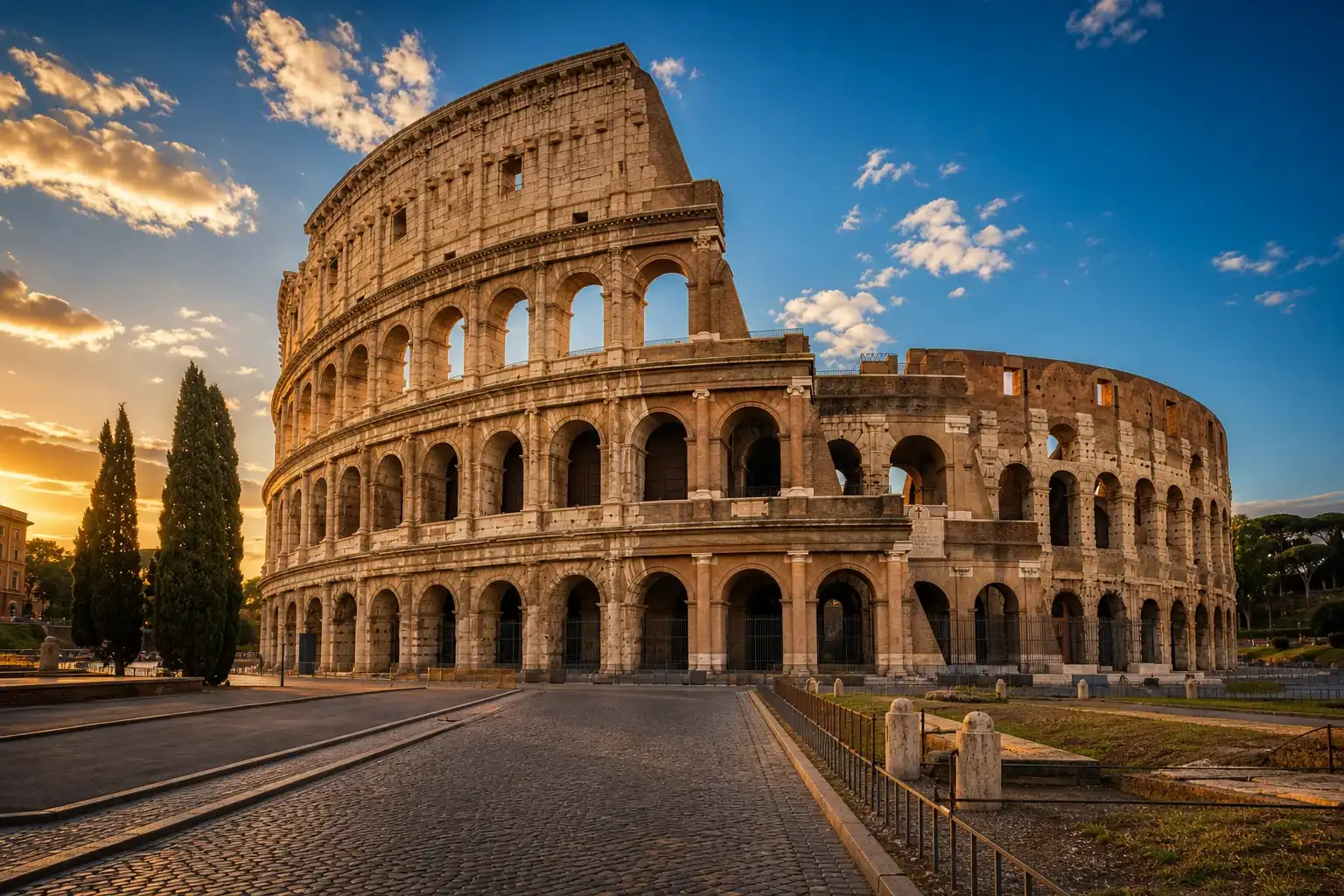
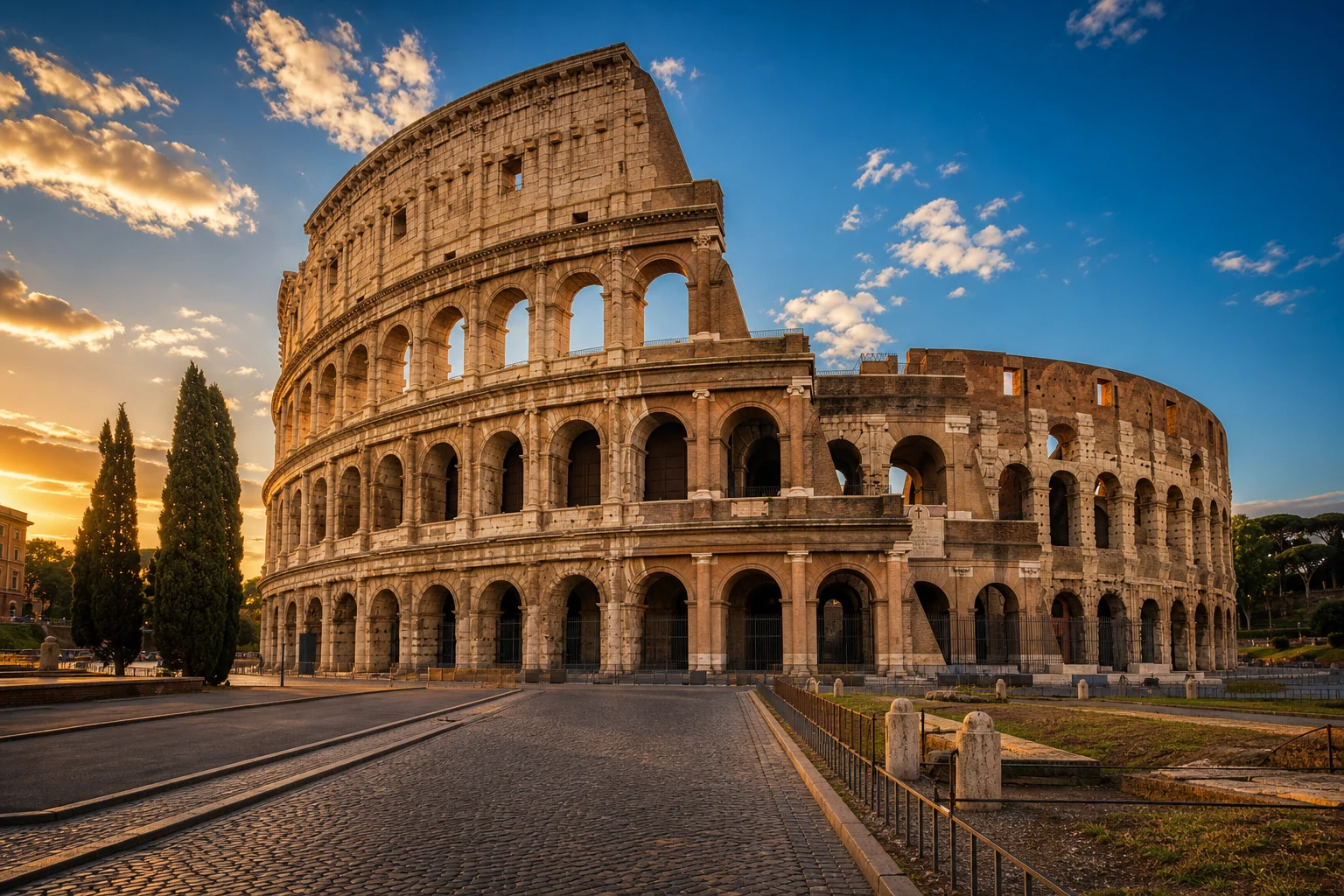
These three are covered by a single ticket and should be treated as one half-day block. The standard ticket (Colosseum + Roman Forum + Palatine Hill, levels 1 and 2) costs €18 and covers 24-hour access. The Full Experience ticket (adds arena floor, underground passages, and upper tiers) costs €24 for a 2-day window. Under-18s enter free; EU citizens aged 18–24 pay €2 with valid ID.
Book online at ticketing.colosseo.it — the Colosseum requires a reserved entry time, and official sales open 30 days before the visit date. The standard ticket and Full Experience ticket both use timed entry; the more expensive option is worth it only if you care about the arena and underground areas.
My recommendation: book the Full Experience (€24) if available. The arena floor puts you where the gladiators stood and gives you a completely different spatial sense of the building that the standard ticket’s upper walkways don’t. Underground is eerie in the best way — you can see the lift shafts that raised animals and fighters to the arena.
Allocate half a day for the Colosseum complex. Start at the Colosseum itself, then walk through to the Roman Forum (the civic center of ancient Rome — a 2-hectare site of ruins that repays an hour of wandering), then up to Palatine Hill for one of the better elevated views over the Forum and the city. The Circus Maximus, visible below Palatine Hill, is free to walk past.
Vatican Museums and Sistine Chapel
The Vatican is the other non-negotiable full-day anchor. The Vatican Museums hold one of the great art collections in the world — Egyptian antiquities, Roman sculptures, the Raphael Rooms, the Gallery of Maps — and the Sistine Chapel at the end of it.
Verified 2026 prices from museivaticani.va:
- Standard ticket (walk-up): €20
- Skip-the-line ticket (pre-booked on official site): €25 (€20 + €5 booking fee)
- Reduced visitors and pilgrimage groups: €10
St. Peter’s Basilica is free to enter and is worth the time separately from the museums — the Pietà, Bernini’s baldachin, and the dome climb (€8 by stairs, €10 by elevator + stairs) are genuinely impressive. The Sistine Chapel is accessed through the museums; you cannot enter it directly from St. Peter’s Square.
Book the skip-the-line ticket at least 2 weeks ahead in summer. The walk-up queue can exceed 3 hours in July and August. The official Vatican Museums website is museivaticani.va — avoid third-party resellers who charge €40–60 for the same entry.
The official Vatican Museums site lists the full online ticket at €25 and warns visitors about lookalike ticket sites. Use the official booking portal, choose a timed entry, and treat third-party tour prices as a separate product rather than the admission price.
The Pantheon
The Pantheon is one of the best-preserved buildings from ancient Rome — a concrete dome built in 125 AD that remained the world’s largest for over 1,300 years. It’s in the middle of the historic center, walkable from most accommodation.
Current admission: €7 for full-price visitors. EU citizens aged 18–25 pay €2; under-18s, people with disabilities, and Rome residents enter free. The first Sunday of every month is free for everyone, but you still need to queue for the free ticket. On paid days, use the official Musei Italiani portal or buy onsite; skip-the-line entry is not available.
Allow 30–45 minutes inside. The unreinforced concrete oculus at the top of the dome — 8.7 meters across, open to the sky — is what you’re there for. If it rains while you’re inside, the water falls through the oculus and drains through the marble floor. The building has been in continuous use since 609 AD.
Borghese Gallery
The Borghese Gallery in Villa Borghese park is one of the most important sculpture collections in the world — Bernini’s Apollo and Daphne, his David, Canova’s Paolina Borghese, Caravaggio’s Boy with a Basket of Fruit. The space is intimate and requires timed-entry booking. Admission is €16 plus a mandatory €2 reservation fee; the gallery is closed Mondays and free on the first Sunday of the month, but reservation is still mandatory.
Book at least 2 weeks ahead — this is the museum that sells out furthest in advance in Rome. The Borghese tends to be less crowded than the Vatican or the Colosseum, which means you can actually stand in front of the Bernini sculptures without a crowd and look at them properly. Worth the planning.
What You Can Skip
The Trevi Fountain is a Baroque masterpiece and also, in summer, one of the most unpleasant tourist experiences in Rome. By 10am it’s shoulder-to-shoulder. Go early if you want a calmer look, or accept that you’ll be viewing it through a sea of selfie sticks. Since February 2, 2026, tourists and non-residents pay €2 to enter the basin closest to the fountain; the wider square remains the easy no-ticket view.
The Spanish Steps are photogenic and historically significant, but they are not worth a specific detour unless they sit naturally on your route. Restoration and access conditions change, so check the current situation before building a day around them.
Restaurants immediately adjacent to any major monument — the trattorias within 100 meters of the Pantheon, Piazza Navona, and the Colosseum are almost universally overpriced and mediocre. Walk two streets away in any direction and the quality improves and the prices drop.
Neighborhoods Worth Knowing
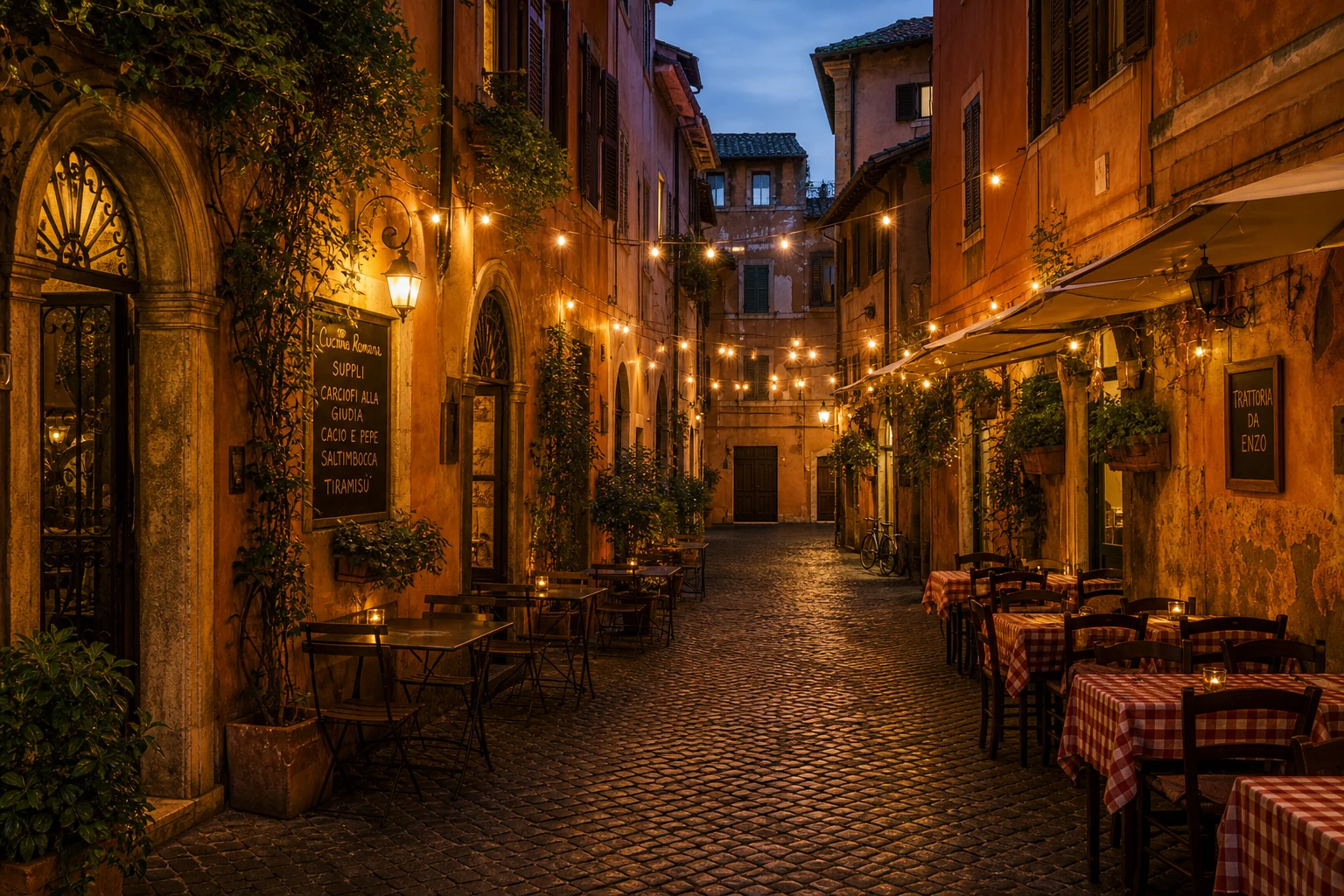
Trastevere is across the Tiber from the historic center — a neighborhood of narrow cobblestone streets, ivy-covered buildings, and the densest concentration of good food in Rome. In the evenings it fills with locals and tourists in roughly equal measure, which is the right ratio. Piazza di Santa Maria in Trastevere, the main square, has an excellent medieval basilica and is a legitimate place to sit with an Aperol Spritz and do nothing for 45 minutes.
Testaccio is the old working-class slaughterhouse district south of the Aventine Hill, now one of Rome’s best food neighborhoods. The Testaccio Market (Mercato di Testaccio) is open Monday through Saturday on Via Beniamino Franklin and is the best market in the city for lunch — supplì (fried rice balls, around €2 each), porchetta sandwiches, fresh pasta. The neighborhood is also known for offal-based Roman cooking (coda alla vaccinara, cacio e pepe, trippa alla romana) at places like Flavio al Velavevodetto, which has been doing traditional Roman food since 1958.
Monti is the oldest inhabited neighborhood in Rome, immediately behind the Colosseum, with good independent shops, bars, and restaurants on the streets running off Via dei Serpenti. It’s where a lot of Rome’s younger creative population has ended up, which means decent coffee shops and wine bars alongside the trattorias.
Where to Eat
Roman food has a specific identity — it’s not the creamy pasta you might expect from Italian-American restaurants, and it’s not the same as what you’d eat in Bologna or Naples. The canon is: cacio e pepe (pasta with pecorino and black pepper, no cream), carbonara (pasta with egg yolk, guanciale, and pecorino — no cream, ever), amatriciana (tomato sauce with guanciale and pecorino), supplì (fried rice balls with mozzarella center), and artichokes prepared either Jewish-style (carciofi alla giudia — deep fried flat) or Roman-style (alla romana — braised with mint and garlic).
Eat these things. Don’t eat carbonara with cream — if it appears on the menu, walk out.
In Trastevere: Da Enzo al 29 on Via dei Vascellari has been serving traditional Roman food since 1935. Cacio e pepe, coda alla vaccinara, and seasonal vegetables done correctly. Mains around €14–18. Reserve for dinner; it fills up by 7:30pm. Tonnarello on Via della Paglia is more casual, louder, and slightly cheaper — good for a late dinner with house wine. Grazia & Graziella on Via della Lungaretta is a small, informal spot for lunch — the supplì are some of the best in Rome.
In Testaccio: Flavio al Velavevodetto (Via di Monte Testaccio) for old-school Roman. The trattoria is built into the side of Monte Testaccio — a hill made entirely of ancient amphora shards — and the cooking matches the setting. Mains €12–18. Mordi e Vai at the Testaccio Market does Roman street food at market prices — €5–7 for a sandwich built on-site from slow-cooked offal, roast meats, or vegetarian options.
For pizza: Rome’s pizza is different from Naples — thinner, crispier, cooked in electric ovens, and eaten standing at the counter or folded in half (pizza al taglio). Pizzarium on Via della Meloria near the Vatican is Gabriele Bonci’s famous square-cut pizza shop — widely considered the best pizza al taglio in the city. Priced by weight, around €4–8 for a generous slice.
For gelato: Actual gelato (not the fluorescent piled-high stuff in tourist areas) is served in a covered tray at the right temperature and doesn’t tower above the rim of the cup. Fatamorgana in Monti does creative flavors with quality ingredients. Gelateria dei Gracchi near the Vatican serves traditional flavors done correctly.
"If the carbonara has cream in it, the restaurant is either confused about what carbonara is or has made a commercial decision about what tourists will accept. Either way, leave."
Skip the Line at Rome's Major Sites
In June, July, and August, booking skip-the-line access to the Colosseum and Vatican is not optional — it's the difference between a 15-minute entry and a 90-minute queue in direct sun. Book well ahead.
Where to Stay
Monti is my first choice — it’s the neighborhood directly behind the Colosseum, walkable to the Forum and Termini station (for transit), with good bars and restaurants on the doorstep. Hotels run €90–160/night for decent mid-range options.
Trastevere is the most atmospheric base, particularly if you’re going to be eating there most evenings anyway. It’s a 20–25 minute walk to the Vatican and about 30 minutes to the Colosseum, or a quick bus on the 23 or H line. Hotels €100–180/night; some excellent smaller guesthouses in the €80–120 range.
Termini/Esquilino (the area around Roma Termini station) is the cheapest central area — hostels from €20, hotels from €60. The neighborhood is functional rather than pleasant, but the transit connections from Termini are unbeatable: direct metro lines to the Colosseum (line B, Colosseo stop) and Vatican area (line A, Ottaviano stop).
Prati is across the Tiber from the Vatican, a residential neighborhood with wide streets and a decent local restaurant scene. Good option if your trip is Vatican-heavy. Hotels €80–140/night.
Book Your Rome Accommodation
Prices in Monti and Trastevere run higher than Termini for similar quality, but the difference in street-level experience is significant. Worth comparing across neighborhoods for your specific itinerary.
What It Costs
Rome is more expensive than Central European capitals but cheaper than Paris or London. A realistic picture:
Budget traveler (€65–90/day): Hostel dorm €20–30, market and street food lunches (supplì, pizza al taglio, €8–12), sit-down dinner in Trastevere or Testaccio (€15–20 with house wine), 72-hour transit pass spread over days, 1–2 major attractions per day.
Mid-range (€130–180/day): Hotel in Monti or Trastevere €100–150, restaurant lunches and dinners, Colosseum + Vatican + Borghese across 4 days.
Verified 2026 prices:
- Colosseum + Forum + Palatine Hill (standard): €18
- Colosseum Full Experience (arena floor): €24
- Vatican Museums (skip-the-line, booked online): €25
- Pantheon: €7 full price from July 1, 2026
- Borghese Gallery: €16 plus a mandatory €2 reservation fee
- ATAC 72-hour transit pass: €22
- Fiumicino airport train (Leonardo Express) to Termini: €14
- Cacio e pepe at a non-touristy trattoria: €12–16
- Pizza al taglio at Pizzarium: ~€5–8 per slice
- Supplì at Testaccio Market: €2 each
- Beer at a bar: €4–6
- Espresso at a bar (standing): €1–1.50 (more if you sit)
Practical Info
When to visit: April, May, and the first half of June are ideal — warm enough for outdoor eating, before the worst of summer crowds. September and October are equally good. July and August are hot (regularly 35°C+), extremely crowded at the major sites, and the city empties of locals. If you’re visiting in summer, start every site by 8am.
Language: Italian. English is spoken widely in tourist-facing businesses. A menu in English is not automatically a warning sign; look instead for a room with local turnover, a short seasonal menu, and prices that are clear before you sit down.
Currency: Euro. Most places accept cards; smaller bars and market stalls may be cash-only.
Dress code: Several of the major sites — the Vatican, most churches — require covered shoulders and knees. Pack a lightweight scarf or layer that can cover up at church entrances.
Nasoni: Rome has an extensive network of public drinking fountains (nasoni — literally “big noses”) across the city that run continuously with cold, clean tap water. This is genuinely useful in summer. Bring a reusable bottle. The water is safe to drink and tastes fine.
Pickpockets: The areas around Roma Termini, the Vatican, and on crowded public buses (particularly bus 40 and 64 from Termini to the Vatican) have the highest concentration of pickpockets in the city. Front pockets or a cross-body bag with a zip closure. This is not unusual by European capital standards — just Rome-specific route advice.