Quick Take
What you should know before you book
Florence is worth the money if you spend on two or three excellent things and stop trying to turn the city into a museum-speedrun. I would book the Uffizi, choose one Duomo pass on purpose, stay just outside the heaviest tourist core, and leave room for long walks and actual meals.
- Airport to center: T2 tram from Florence Airport into central Florence; standard urban ticket costs €1.70 and is valid 90 minutes in Florence.
- Major ticket costs: Uffizi €25 same-day or €29 booked ahead; Accademia €20 plus €4 reservation fee; Brunelleschi Pass €30.
- Where to stay: Oltrarno for atmosphere, Santa Maria Novella for rail convenience, Sant'Ambrogio or Santa Croce for better value.
- Daily budget: about €85-130 if you are careful with museums and hotels, or roughly €180-280 if you want a comfortable mid-range stay.
In This Guide
Florence is one of the easiest cities in Europe to get wrong politely. People show up with excellent intentions, buy too many timed entries, sleep too close to the Duomo, eat on the most obvious piazzas, and leave saying the city was beautiful but exhausting. The beauty part is true. The exhausting part is usually self-inflicted.
What Florence does better than almost anywhere is concentration. The center is compact, the skyline is unforgettable, and the art is serious enough that one good museum can carry an entire day. What it does badly is absorb indecision. If you try to do everything, the queues, markups, and museum fatigue start winning quickly.
My version of Florence is simpler: one anchor museum, one major climb or church complex, one neighborhood with an actual evening rhythm, and enough empty time to notice the city outside the ticketed interiors. If you are pairing it with Rome, I would make Florence the slower, more selective stop, not the place where you try to make up for everything you skipped in the capital.
Getting There
Florence is a rail city first. That is the most useful planning fact to know before you even start comparing flights.
If you are already moving around Italy, the train is usually the right answer. Santa Maria Novella station sits close enough to the historic center that you can be dropping your bag within minutes instead of burning time on airport transfers. Florence also fits naturally into the kind of multi-city route covered in this guide to traveling Europe by train, especially if you are linking Milan, Bologna, Rome, Venice, or Naples.
Flying into Florence can still make sense, especially from farther away or when Pisa and Bologna fares are bad. Florence Airport is small, easy to understand, and only a few kilometers from town. The practical part is the arrival: the T2 tram runs from the airport into central Florence, and the standard urban ticket is €1.70. In Florence that ticket stays valid for 90 minutes, which matters because it gives you room for a transfer if your hotel is not right off the line.
I would only default to a taxi if you have very early luggage-heavy arrivals, mobility needs, or a hotel in an awkward spot. Otherwise the tram is the cleaner move. The city is compact enough that once you are in the center, you are basically done with transport for the day.
Book Trains Before You Need Them
Florence usually rewards rail travelers who book a little earlier rather than trying to optimize everything at the last second, especially on the Rome and Milan corridors.
Getting Around
The historic center is genuinely walkable, which sounds obvious until you remember how many European cities overpromise that. In Florence it is true. If you stay somewhere sensible, you can do most of the trip on foot.
The only real warning is that walkable does not always mean easy. The pavements are uneven, luggage wheels lose arguments here, and anything involving Piazzale Michelangelo or San Miniato al Monte includes a climb. Wear better shoes than the ones you think photograph well.
For local transit, the useful official number is still €1.70 for the standard urban ticket, valid 90 minutes in Florence and usable on buses and the tram. That makes short tactical rides easy, but I would not overbuild the trip around transit. Florence is better when you let the city connect itself on foot.
One small strategy point: if you are sleeping near Santa Maria Novella, you gain convenience but lose some atmosphere. If you are sleeping in the Oltrarno, you gain atmosphere but accept a little more walking. That tradeoff matters more than whether you are technically five minutes closer to one church or another.
What to Actually Prioritize
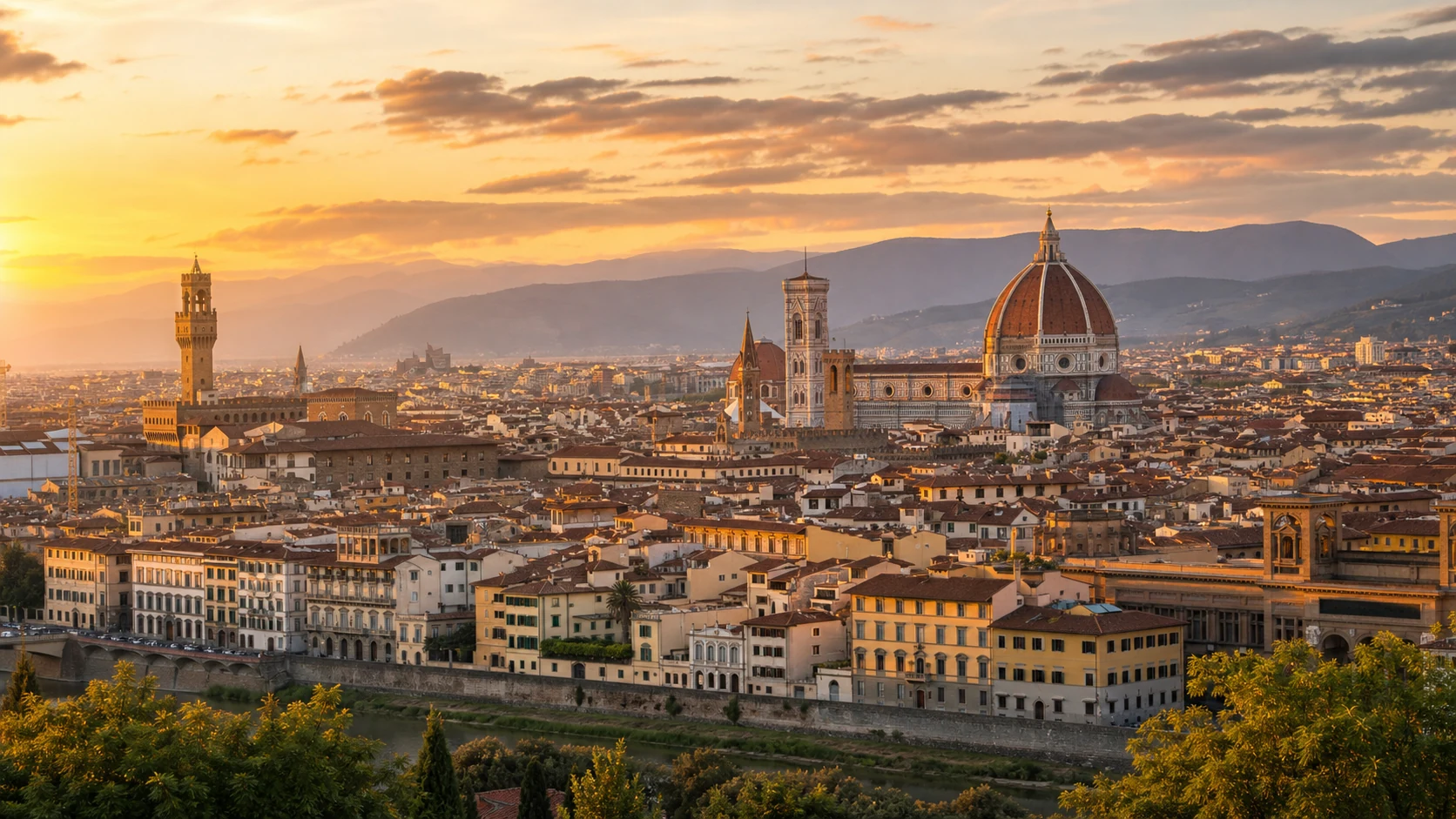
If this is your first Florence trip, I would build the itinerary around four things: the Uffizi, the Accademia, one Duomo-complex decision, and one elevated view.
The Uffizi is the anchor. Official pricing is now €25 if you buy the named ticket on the day, or €29 if you buy it in advance. That means pre-booking is not a money-saving move here. It is a time-saving move. I would still pre-book in busy periods because losing an hour or more in line outside one of Europe’s best museums is a poor use of a Florence day. If you only have one major paid museum in you, make it this one.
The Accademia is narrower in scope but still worth it for most first-timers because David really does land harder in person than the reproductions suggest. The official full ticket is €20, and reservations add a €4 fee. Current official hours are Tuesday to Sunday, 8:15 a.m. to 6:50 p.m., with the last admission at 6:20 p.m. I would not treat the Accademia as a half-day event. Book it, see David properly, and move on.
The Duomo complex is where Florence starts testing whether you planned on purpose. The cathedral itself is free, but the meaningful paid choices are the passes. The official Brunelleschi Pass is €30, the Giotto Pass is €20, and the Ghiberti Pass is €15. I would only pay for the Brunelleschi Pass if you genuinely want the dome climb. If heights, stairs, or timed-entry stress are not your thing, the cheaper pass can be the smarter decision.
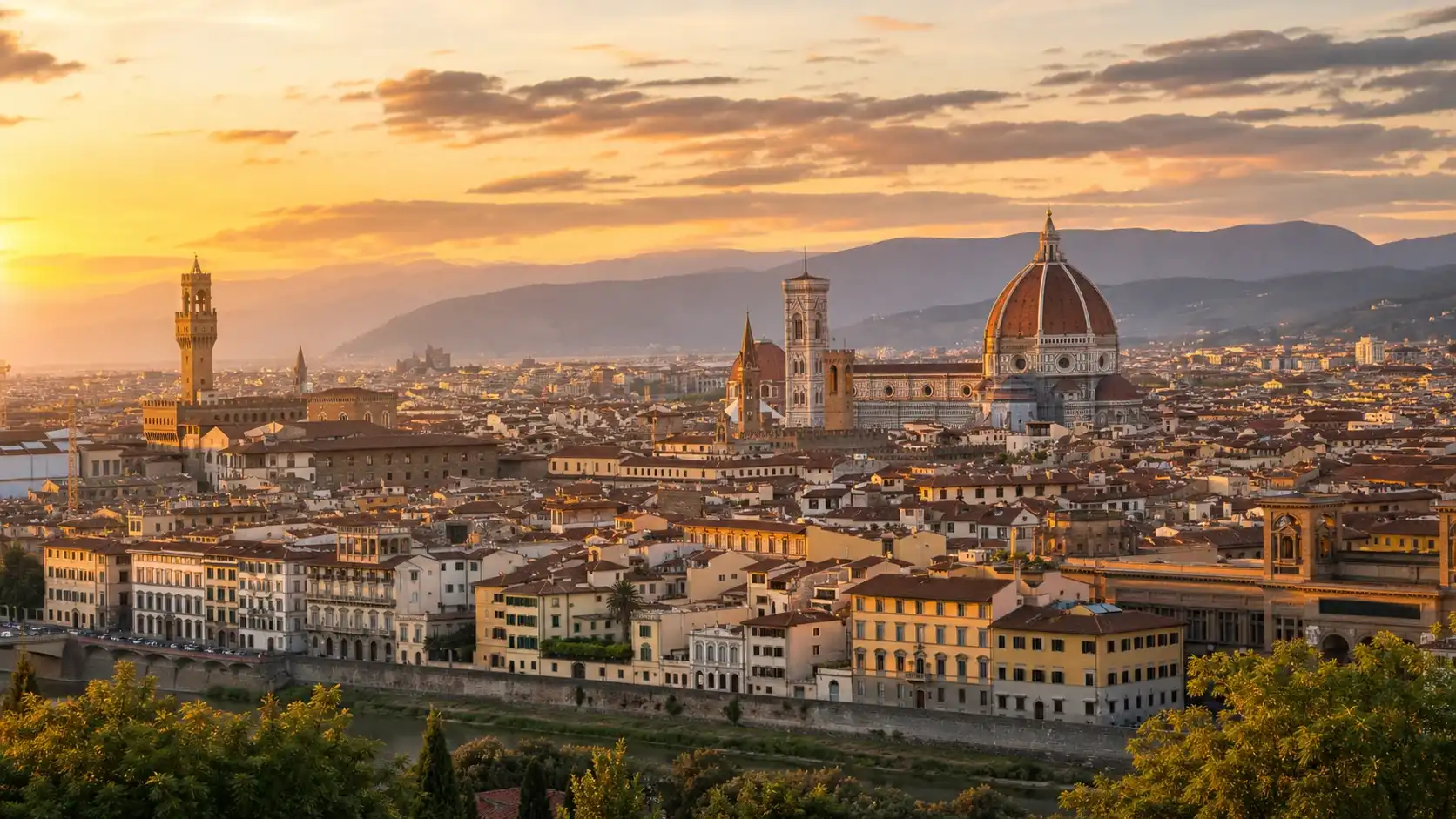
Piazzale Michelangelo is the non-negotiable free play, preferably late afternoon into evening. I also like walking up to San Miniato al Monte if the energy is there. That pair gives you the panoramic Florence moment without another museum queue.
Do not stack the Uffizi, Accademia, and a dome climb on the same day just because the map says they are close. Florence museum fatigue is real, and the city is better when at least one major thing has room around it.
What You Can Skip
"Florence gets better the moment you stop treating every famous building as a compulsory interior."
The easiest thing to overpay for in Florence is location. Restaurants directly against the Duomo, Piazza della Signoria, and the thickest stretch of Ponte Vecchio foot traffic are usually charging for your lack of patience, not for better food.
The second thing to skip is attraction stacking. A lot of first-timers buy into the idea that if a site is famous, the inside must be essential. That is not always true here. The Ponte Vecchio is worth crossing, not centering your day on. The cathedral interior is important historically, but the emotional hit for many travelers comes more from the exterior, the piazza, and the dome on the skyline than from lingering inside the nave.
I would also be skeptical of any all-in city card unless you already know you are the kind of traveler who can move briskly from museum to museum without getting dull-eyed by lunch. Most people are not. Florence rewards curation more than completion.
Finally, I would not over-romanticize sleeping immediately around the Duomo. It sounds ideal. In practice it often means heavier crowds, higher room rates, and a less pleasant evening rhythm than you get a little farther out.
Where to Stay
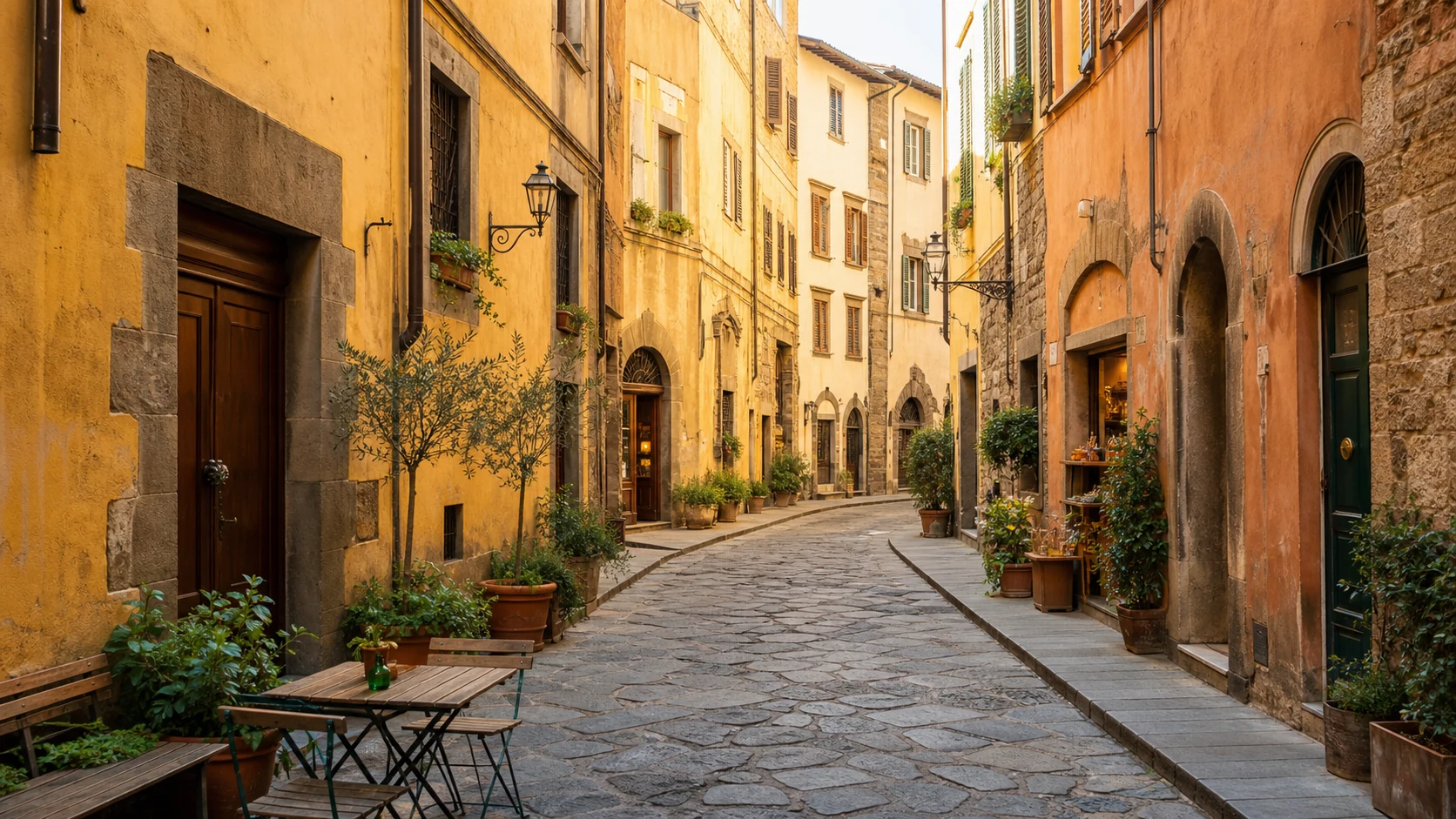
For most travelers, I would split Florence into four useful base choices.
Oltrarno is my favorite overall. You are still close to everything that matters, but the mood improves immediately once you are south of the Arno. It feels more residential, evenings are better, and you can step out for dinner without feeling trapped inside the heaviest tourist circuit.
Santa Croce and Sant’Ambrogio are the value-and-energy compromise. You get a strong local rhythm, easier access to markets and more casual food, and often better room value than the blocks closest to the Duomo. If I wanted Florence to feel less polished and more lived in, I would start here.
Santa Maria Novella is the practical choice. If you have an early train, a short stay, or a larger Italy itinerary where convenience matters, this area earns its keep. I like it less for romance and more for logistics.
Right around the Duomo is what I would choose only if the trip is extremely short and paying extra to shave walking time is genuinely worth it to you.
Current rough ranges: hostel dorms usually land around €30-55, simple private rooms often start around €110-170, and comfortable boutique or apartment options run well past that in the busiest months. Florence gets expensive fastest on accommodation, not on meals.
Search Florence Hotels by Neighborhood First
If you want the best balance, start with Oltrarno, Sant'Ambrogio, or Santa Croce before you widen the map toward the Duomo core.
Where to Eat
Florence is not cheap by Italian standards, but it is still very possible to eat well if you stop aiming at the most obvious squares.
The local dishes worth actually ordering are specific. Ribollita and pappa al pomodoro make sense when you want something rooted and inexpensive. Pappardelle al cinghiale is a solid first-night choice. Bistecca alla fiorentina is worth doing only if you understand it is a shared event, not a solo default order. If you split it, the value equation improves a lot. If you order it blindly for one, Florence can get very expensive very fast.
I also think visitors should decide whether they are open to lampredotto before they arrive instead of pretending to discover that question in line. If you are willing, it remains one of the more honest lunches in the city and usually lands around €5-7. If you are not, no need to force the local-authenticity script.
The best general rule is simple: walk a few streets away from the monuments and look for shorter menus, handwritten specials, and people eating full lunches that do not look curated for tourists. In areas like Sant’Ambrogio and the Oltrarno, lunch in the €10-15 range is still realistic. Around the landmark core, that same money often buys a much worse plate with a better view of someone else’s queue.
For dessert, Florence rewards restraint too. I would rather have one good gelato from a place storing it in covered metal tins than any neon mountain of over-aerated display gelato.
What It Costs
Florence can be done on a moderate budget, but it is not a bargain city anymore. The difference between a controlled budget and a sloppy one usually comes down to hotels and how many ticketed interiors you insist on.
| Category | Budget | Mid-range |
|---|---|---|
| Accommodation | €30-55 | €130-200 |
| Breakfast | €3-6 | €3-8 |
| Lunch | €10-15 | €15-25 |
| Dinner | €15-28 | €30-55 |
| Museum tickets | €0-30 | €20-60 |
| Transit | €0-5 | €0-8 |
| Daily total | ~€85-130 | ~€180-280 |
My honest budget advice: choose between museum depth and room quality instead of pretending you need both at full strength. A very good Florence trip can come from spending on the Uffizi and sleeping in a simpler room, or from staying somewhere nicer and being disciplined about paid sights. What gets expensive is doing both without a plan.
Practical Info
The best seasons are still May, early June, late September, and October. Summer is workable, but the city gets hotter, denser, and more expensive than Florence’s scale really deserves.
For length of stay, I think two full days is the minimum where Florence feels intentional rather than rushed. Three days is the sweet spot. That gives you one art-heavy day, one city-and-neighborhood day, and one flexible slot for a lighter museum, market wandering, or a wider Italy itinerary connection.
On museum timing, the logic is straightforward. Pre-book the Uffizi in busy periods. Pre-book the Accademia if David is important to you. Remember that both the Uffizi and the Accademia participate in free first-Sunday museum days, which sounds attractive until you factor in the crowd level. I would only target that if the savings materially change the trip.
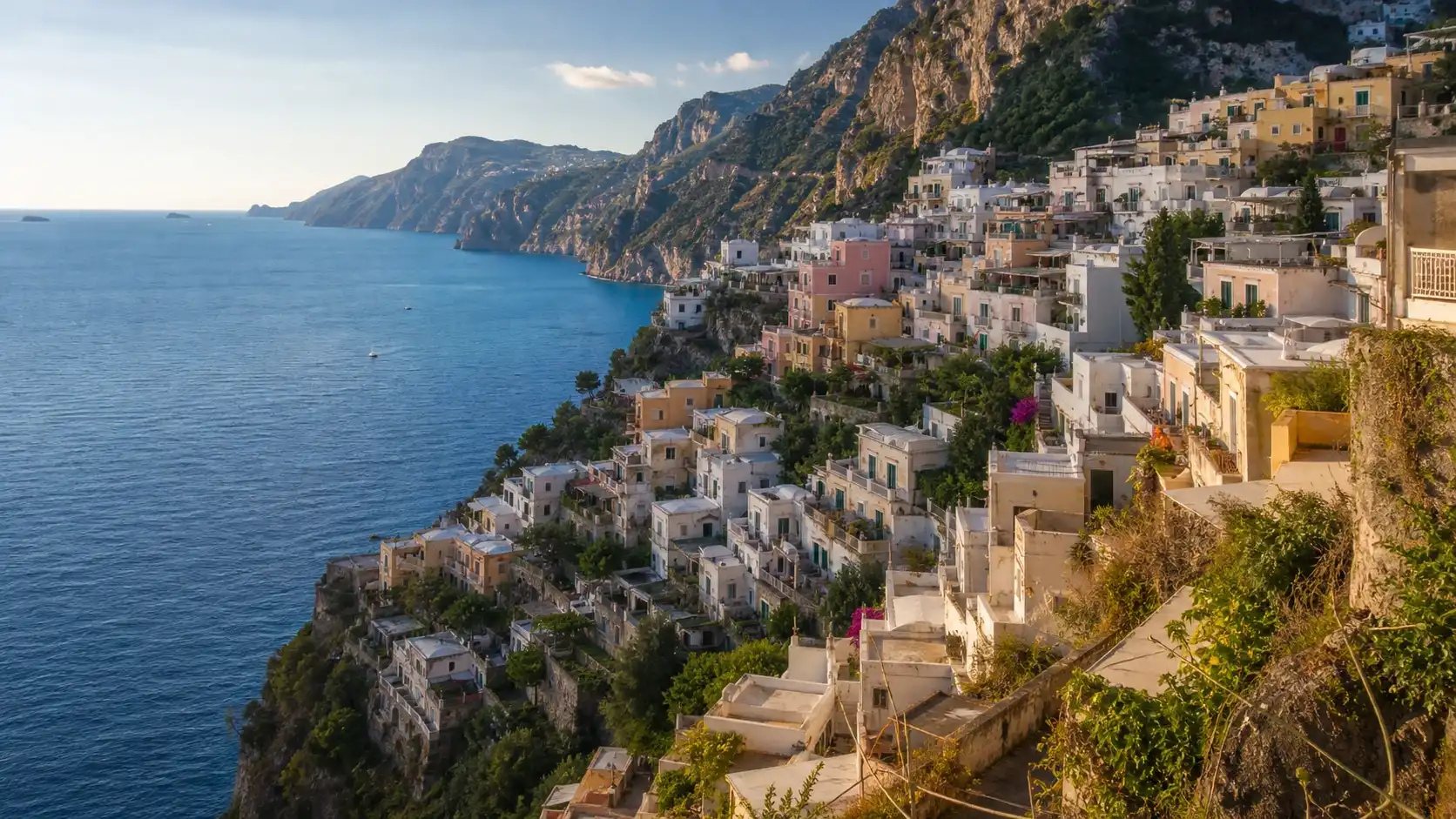
If you are deciding what comes after Florence, I like two directions. Southbound into the Amalfi Coast works if you want a hard contrast between art city and scenery. Staying on the classic high-speed line toward Rome is the easier logistics play and usually the one I would recommend first.
Florence is best when you let it be finite. You are not going to see everything. You do not need to. Book the things that genuinely matter, protect your evenings, and give the city room to impress you between the headline sights.