Quick Take
What you should know before you book
Choose Paris if you want a more structured first-Europe city break with stronger museums, easier neighborhood planning, and a cleaner 4-day itinerary. Choose Rome if you want ancient history, warmer chaos, and a city that feels less curated and more layered. If you have 7 or more days, do both only if you are willing to fly or build a wider rail route around the time cost.
- Best first-Europe structure: Paris, because neighborhoods, museums, and transit fit neatly into a 4-day plan.
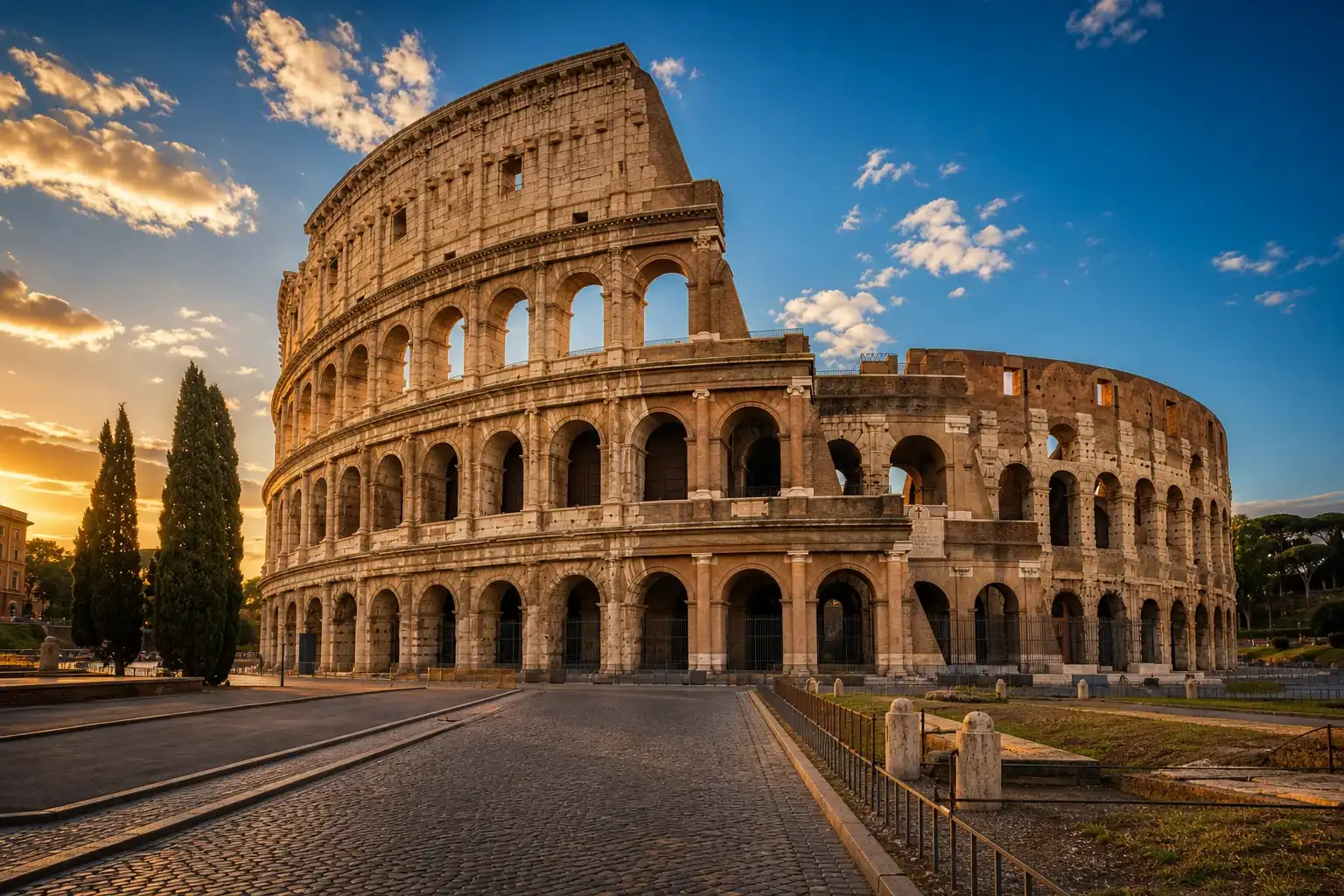
- Best historical impact: Rome, because the Colosseum, Forum, Pantheon, Vatican area, and normal street life collide in a way Paris cannot copy.
- Easier city logistics: Paris for public transport and airport options; Rome for walkable ancient-core wandering once you choose the right base.
- Best combined plan: 4 nights in Paris and 3-4 nights in Rome only if the city-to-city transfer is treated as a real travel day.
In This Guide
Paris and Rome are the two cities people reach for when they want a first Europe trip to feel like Europe immediately. The Eiffel Tower, the Louvre, cafe terraces, the Colosseum, the Pantheon, pasta, ruins, churches, rooftops, fountains. They are famous enough that the decision can start to feel fake: surely either one works.
Either one does work. That is not the useful answer.
Paris is easier to structure. The neighborhoods are legible, the museum choices are clear, the transit network does a lot of the work, and a 4-day trip can feel polished if you plan it with restraint. Rome is harder to organize and harder to replace. It is older, messier, warmer in personality, and more likely to make your itinerary look naive by lunch.
If you are already reading how to do Paris without wrecking your budget or the Rome travel guide, this comparison is the decision layer above them. And if you are building a bigger route, use the logic in how to travel Europe by train before assuming the Paris-to-Rome jump is just another easy city hop. It is not difficult, but it is not the same as Paris to Amsterdam or Rome to Florence.
The Core Difference
The blunt version is this: Paris is the cleaner first-Europe city. Rome is the more irreplaceable one.
Paris rewards a well-built plan. Pick a base, choose a few museums, add one or two classic walks, keep your restaurant expectations realistic, and the city starts behaving. That does not mean Paris is easy or cheap. It means the pieces fit together in a way that helps first-timers feel oriented.
Rome is not clean in the same way. Ancient ruins, Catholic power, traffic, neighborhood life, and tourist machinery all sit on top of each other. You can have a great plan and still feel like the city is laughing at your schedule. That is also why Rome is memorable. It has less polish, more friction, and a stronger sense that you are standing inside several eras at once.
My practical rule:
- Choose Paris if you want a structured city break with museums, neighborhoods, transit, and classic European atmosphere.
- Choose Rome if you want ancient history, bigger emotional impact, and a city that feels less managed.
- Choose both only if you have enough time to make the transfer honest instead of pretending geography is a suggestion.
"Paris is easier to plan well. Rome is harder to replace once you have seen it properly."
What It Costs
Paris is expensive in a more predictable way. Rome is easier to misread.
In Paris, the budget pressure is obvious: hotels, cafes in the wrong places, museum-heavy days, and the slow creep of “just one more” paid experience. The good news is that the city gives you tools. Transit is useful, walking routes are strong, and a lot of the best Paris days are built from neighborhoods, parks, bakeries, and views you do not need to monetize into oblivion.
Rome can look cheaper at first glance, especially if you compare casual food and some central wandering. But convenience spending catches people. A bad hotel location, too many taxis, mediocre restaurants near the biggest sights, and last-minute tours can erase the advantage quickly.
| Cost category | Paris | Rome |
|---|---|---|
| Hotels | Often higher and less forgiving near the center | Wider range, but location mistakes are costly |
| Food | Easy to spend too much near major sights | Better value if you leave the obvious tourist corridors |
| Transit | Strong network; useful for most stays | Useful, but less elegant and more location-dependent |
| Paid sights | Museum-heavy if you let it be | Ancient sites, Vatican area, and tours can add up |
For Paris, I would decide early whether a museum pass makes sense for your actual pace rather than your imaginary productivity. For Rome, I would decide which paid ancient or Vatican-area sights matter most and resist filling every day with ticketed obligations. Famous cities are very good at selling you the feeling that skipping something is a moral failure. It is not.
Sights and Museums
Paris wins for museums. Rome wins for historical atmosphere.
Paris has the Louvre, Orsay, Orangerie, Rodin, Sainte-Chapelle, the Arc de Triomphe, and a long list of places that can make a culture-focused trip feel absurdly rich. The challenge is selection. You do not need to prove anything by turning Paris into a museum endurance event. One major museum per day is already plenty for most sane itineraries.
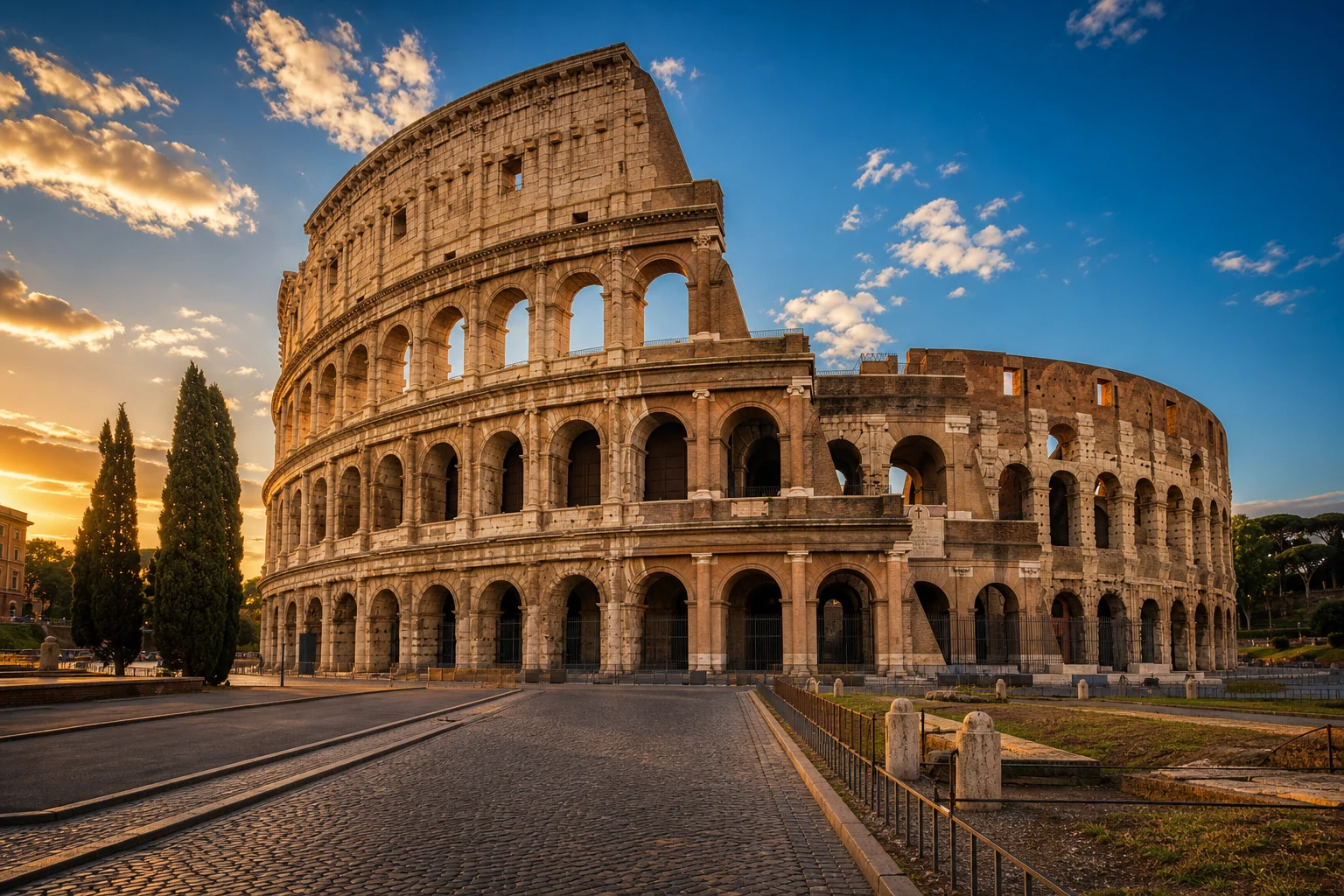
Rome’s headline sights hit differently. The Colosseum and Forum are not just “things to see”; they change the texture of the city around them. The Pantheon still works because it is famous and also genuinely strange. The Vatican area is its own decision, not a casual add-on. And the churches, fountains, and ruins scattered through normal streets make Rome feel less like a curated museum city and more like history keeps interrupting your errands.

If your trip is primarily about art museums, choose Paris. If your trip is about ancient history and the feeling of time piled up in public, choose Rome.
This is also where first-timers should be honest about stamina. Paris can become too many interiors. Rome can become too many stones. The right answer is not more. It is a better mix.
Food and Neighborhoods
Paris is better for neighborhood structure. Rome is better if you want the food to feel less formal and more woven into the day.
In Paris, neighborhoods help organize the trip: the Marais, Saint-Germain, the Latin Quarter, Montmartre, Canal Saint-Martin, the 7th if you want Eiffel Tower proximity, and quieter residential pockets if you are tired of paying for obviousness. The city rewards people who pick an area for the day instead of crossing town every 90 minutes because a map looked small on a laptop.
Rome neighborhoods are less tidy as planning units, but they are excellent once you stop chasing only monuments. Monti is convenient, Trastevere is atmospheric with crowd caveats, Testaccio is stronger for food, Prati works for Vatican-heavy plans, and the historic center is useful if you accept the price of being in the middle of everything.
Food-wise, both cities can punish lazy choices. Paris punishes you with expensive mediocrity. Rome punishes you with tourist-menu theater. The fix is the same: leave the immediate sight corridor, book selectively when it matters, and do not confuse a crowded terrace with a recommendation.
For a first trip:
- Paris: Build days around neighborhoods and let food fit the route.
- Rome: Build meals away from the most obvious sight exits whenever possible.
Neither city requires luxury spending to eat well. Both require a little resistance to convenience.
Crowds and Timing
Paris handles crowds better on a citywide level. Rome makes the pressure feel more theatrical.
Paris has major choke points: the Eiffel Tower area, the Louvre, Montmartre, Notre-Dame surroundings, and the most photographed bits of the Seine. But because the city is large, gridded in places, and transit-friendly, you can often adjust. Move a few streets, shift neighborhoods, or plan your biggest sight early, and the day can recover.
Rome’s crowd pressure is more concentrated around ancient and religious icons. The Trevi Fountain at the wrong hour is not a travel experience so much as a lesson in human density. The Colosseum and Vatican area need real timing. The Pantheon area can swing from magical to absurd depending on when you arrive.
Best timing:
| Traveler priority | Better city | Why |
|---|---|---|
| First spring Europe trip | Paris | Parks, neighborhoods, and museums balance well |
| Ancient-history trip | Rome | The core sights justify the crowd management |
| Summer survival | Paris, slightly | Transit and indoor museums give you more relief |
| Winter city break | Rome | Milder wandering days and strong off-season atmosphere |
If you can avoid peak summer, do. If you cannot, plan early mornings, indoor breaks, and fewer famous sights per day. Heat plus crowds has a way of turning even smart itineraries into a hostage note.
Logistics
Paris is easier for first-time logistics. Rome is easier to love once you stop fighting its size.
Paris has major international access, strong public transport, and neighborhoods that can be organized into clean days. You can stay in several different areas and still build a sensible trip. The metro is not glamorous, but it is useful. That matters when you are tired and trying to keep a first-Europe trip from turning into a taxi budget with scenery.
Rome has strong flight and rail access too, but the city itself asks more from your base choice. Stay badly and you will feel it every day. Stay well and the ancient core, historic center, and evening neighborhoods become much easier to manage.
The Paris-to-Rome transfer is the biggest practical issue if you want both. This is not a short direct rail hop in the way Paris-Amsterdam, Paris-London, or Rome-Florence can be. Most travelers should treat Paris to Rome as a flight or as part of a slower rail route with stops in between. If you insist on rail all the way, build the itinerary around it rather than wedging it into a short trip because trains feel virtuous.
For 4 nights, choose one city. For 7 or 8 nights, you can split them if you accept the transfer cost. For 10 or more nights, Paris and Rome can become anchors in a broader Europe or Italy/France itinerary, but only if you do not fill every gap with another capital.
Who Should Choose Paris
Choose Paris if you want the more polished first-Europe trip.
Paris is better for:
- museums and classic city walks
- first-time travelers who want easier planning structure
- couples who want neighborhood days and slower evenings
- travelers who care about transit convenience
- spring or early autumn city breaks
- itineraries that pair with London, Amsterdam, Belgium, or western France
- people who want beauty without as much logistical improvisation
Paris is not better if you expect it to be soft, cheap, or automatically romantic. The city can be blunt, expensive, and crowded. The better version of Paris comes from choosing neighborhoods, timing major sights, and ignoring the pressure to turn every meal and viewpoint into a performance.
If you want the practical version before committing, start with the Paris budget guide. Paris is much more enjoyable once you stop paying for the most obvious mistakes.
Who Should Choose Rome
Choose Rome if you want the heavier historical hit and do not mind a city that makes you work a little.
Rome is better for:
- ancient history
- layered street life
- travelers who like bigger, messier cities
- food-focused wandering outside the obvious center
- trips of 4 or more nights
- itineraries continuing through Italy
- people who want the trip to feel less curated
Rome is not better if you need the city to behave. It has traffic, heat, crowds, uneven transit, and some of the world’s most efficient tourist-trap gravity. A good Rome trip needs restraint. Do fewer headline sights per day, pick a base carefully, and let neighborhoods carry some of the experience.
The Rome travel guide goes deeper on that structure. The short version: Rome is magnificent, but it is not improved by pretending you can absorb 2,000 years of history before lunch.
If You Want Both
Paris and Rome can work together, but they are not a casual pairing for a short trip. The distance matters. The transfer eats time. The cultures are different enough that you need a little mental reset between them.
Use one of these patterns:
| Trip length | Better plan |
|---|---|
| 4 nights | Pick Paris or Rome, not both |
| 6 nights | Still pick one unless flights make the split unusually clean |
| 7-8 nights | Paris 4 / Rome 3 or Paris 3 / Rome 4 can work |
| 10 nights | Paris and Rome as two anchors, with one slower middle chapter |
| 14+ nights | Build a real France/Italy route instead of hopping capitals randomly |
If you are combining them, I would usually start in Paris and end in Rome for a stronger crescendo. Paris is orderly enough to ease you into Europe. Rome is the louder final act. The reverse can work, but Paris after Rome may feel more controlled and less dramatic, which is either a relief or a letdown depending on your travel personality.
The Verdict
If this is your first Europe trip and you can choose only one, I would choose Paris if you want the cleaner, easier-to-structure city break. It is still expensive and crowded, but the trip mechanics are more forgiving.
I would choose Rome if ancient history is the point, if you are continuing through Italy, or if you want a city that feels less polished and more alive. Rome is harder work, but the payoff is bigger if the city’s particular mess is what you came for.
The honest answer is that Paris is easier to recommend to more first-timers. Rome is easier to defend when someone asks which city is harder to replace.
That is the real decision. Choose Paris for structure. Choose Rome for weight. Do both only when your calendar has enough room for the distance between them to be real.
This guide uses official planning links where possible. If affiliate links are added later, they should stay below the decision-making sections and be clearly disclosed.