Quick Links — Southern France
Affiliate links — I earn a small commission at no extra cost to you.
In This Guide
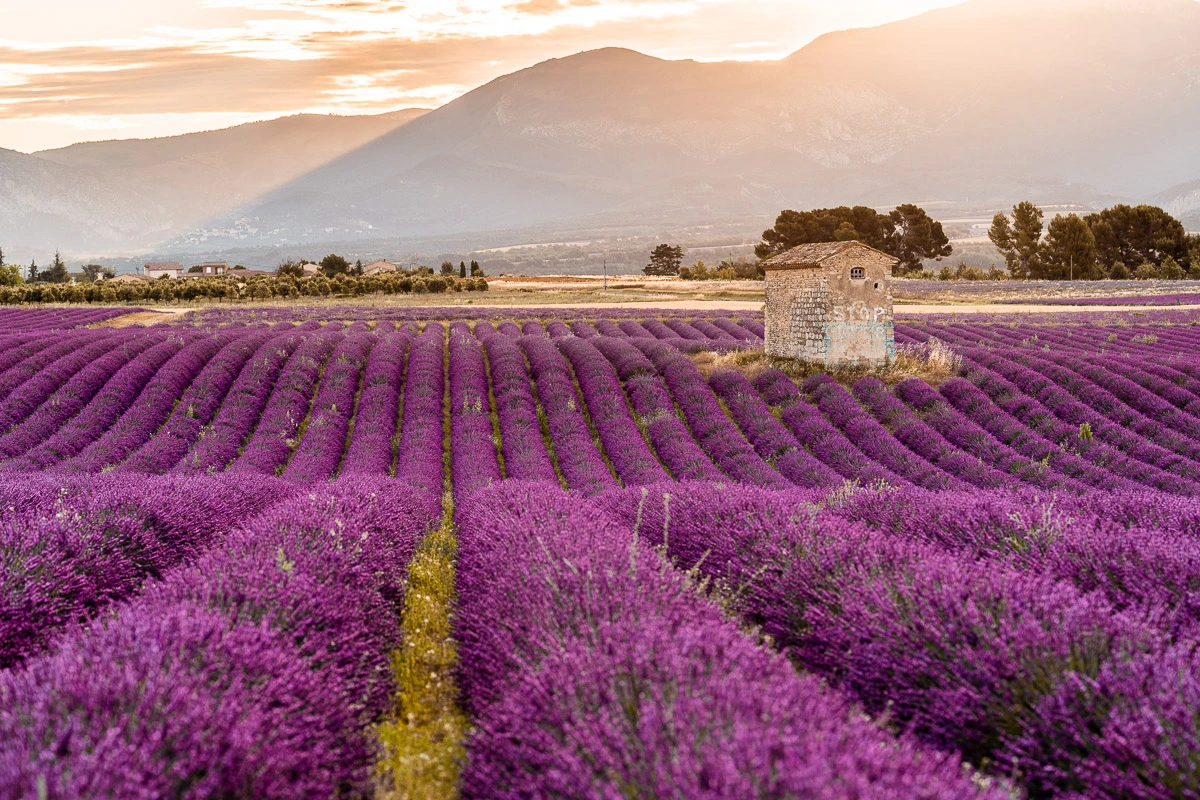
Everyone goes to Nice. Everyone queues for lavender-field photos in Valensole in July and crawls bumper-to-bumper through Aix-en-Provence in August. Southern France is magnificent, but it has a well-worn tourist circuit that does not come close to telling the full story.
I have spent the better part of three summers poking into the corners of Provence, Languedoc, and Occitanie. What follows are the places I keep returning to — the ones where you park the car, walk into a village square, and realize there is nobody else from your country there.
Gordes & the Luberon Villages
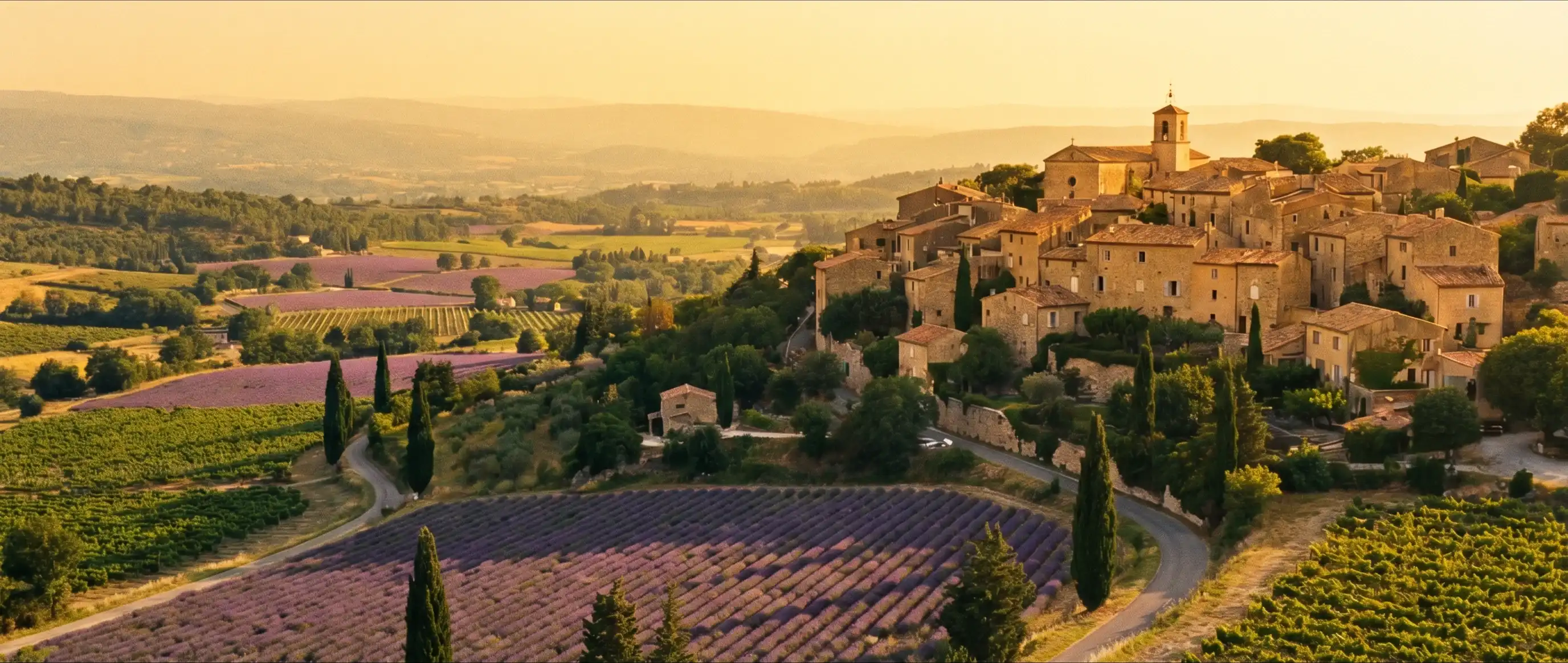
Yes, Gordes itself gets photographed to death — but it earns every frame. The real reward is the string of villages nearby that most day-trippers skip entirely: Roussillon with its ochre cliffs and rust-red soil, Bonnieux perched above cherry orchards, and Lacoste where the Marquis de Sade's ruined château still broods above the valley.
Spend the night in one of these villages instead of treating them as photo stops. The crowds clear after 5pm and the light goes extraordinary. The Luberon Regional Nature Park has excellent hiking between villages, and the whole area rewards a slower tempo than the Riviera ever does.
"Park the car, walk into the square, and realize there's nobody else from your country there."
Gorges du Verdon: Europe's Grand Canyon
The Verdon Gorge cuts 700 metres deep through limestone plateau for 25 kilometres, and the turquoise river at the bottom looks impossibly blue against the white rock. It is one of Europe's most dramatic landscapes and, relative to its scale, still under-visited because it requires a car to access properly.
The Route des Crêtes along the north rim gives the most dramatic viewpoints. For the water itself, rent a kayak or pedalo at Lac de Sainte-Croix and paddle into the gorge entrance. The colour of the water is not a photograph filter — it genuinely looks like that.
Aigues-Mortes & the Camargue
Aigues-Mortes is absurdly photogenic: a complete medieval walled city sitting on the edge of the marshlands of the Camargue. Unlike Carcassonne, it still feels like a real town. You can walk the ramparts, eat oysters nearby, and then drive out into the salt flats where the water can turn pink under the right conditions.
The Camargue itself is a different version of southern France — flat, windy, wild, and full of horses, flamingos, and big skies. It feels closer to southern Spain than to lavender-and-vineyard Provence.
Stay one night around Aigues-Mortes if you can. Sunset over the salt pans and an early morning walk on the ramparts are both far better once the day-trippers are gone.
Minerve, Hérault & the Languedoc Interior
Minerve sits at the meeting point of two gorges in the Hérault and looks like someone set a stone village down on the edge of a natural fortress. It is a dramatic, slightly austere place with Cathar history, excellent wine nearby, and nowhere near the level of tourism you get in the classic Provence circuit.
If you are already doing a broader southern France road trip, Minerve works brilliantly paired with Béziers, Saint-Guilhem-le-Désert, or a base in Montpellier.
Getting Around
Southern France gets much better once you stop trying to do it entirely by train. You can absolutely use rail for major transfers, but the most rewarding places on this list need a car. Rural buses exist. They are not the point of this trip.
- Best arrival airports: Marseille, Nice, and Montpellier depending on which loop you are building.
- Road reality: Distances are short, but village driving is slow and parking can be tight.
- Best approach: Build a 4–7 day route and keep hotel changes to a minimum.
When to Go
- April–June: Best overall balance. Warm weather, manageable crowds, green countryside, long daylight.
- July: Lavender season, but also the most Instagram-infected version of Provence.
- September–October: Vendange season, warm days, thinner crowds. Probably the best window if you want the south without the summer circus.
- November–March: Quieter, moodier, and more limited in small villages — but still worth it if you prefer empty roads to summer polish.
Where to Stay
For the Luberon, book a gîte rather than a chain hotel. For Gorges du Verdon, Moustiers-Sainte-Marie is the strongest base. For the Camargue and Minerve area, Montpellier works well if you want a city base with easier evening dining.
Hotels & Gîtes in Southern France
Booking.com has the widest selection including chambres d'hôtes and rural properties that do not appear on every other aggregator.