Quick Take
The short answer
Córdoba is my strongest May choice when the trip should feel inseparable from the month: the annual patio festival turns private courtyards and neighborhood streets into the main event. Choose western Crete for an island week with Chania as one base, Puglia for white towns and long meals from Monopoli, or Copenhagen for food, design, and late northern light. May improves outdoor time; it does not guarantee beach heat, empty sights, or a fixed gorge-opening date.
Trip details at a glance
- Best May event: four nights in Córdoba, timed to the official patio festival calendar.
- Best island rhythm: six nights in Chania, with one conditions-led walk and no race across Crete.
- Best food-and-town trip: five nights in Monopoli for Alberobello, the Valle d'Itria, and the Adriatic coast.
- Best northern city: four nights in Copenhagen, keeping one day flexible for weather or Malmö.
In this guide
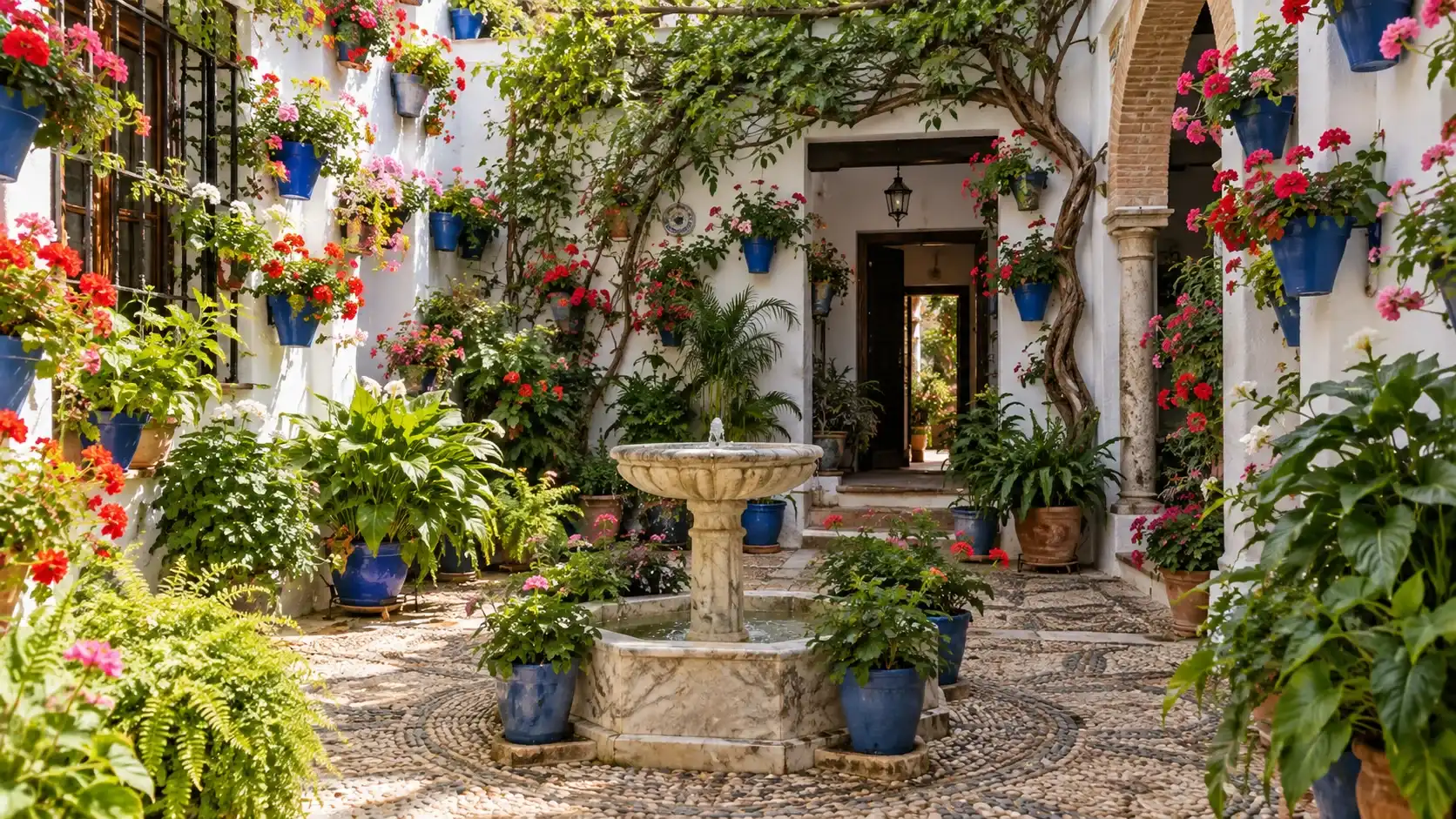
A doorway in Córdoba can look almost ordinary until it opens onto a courtyard blazing with geraniums. Blue pots climb white walls, patterned stone cools the floor, and orange blossom lingers in the air outside. In May, those private spaces become a citywide reason to travel.
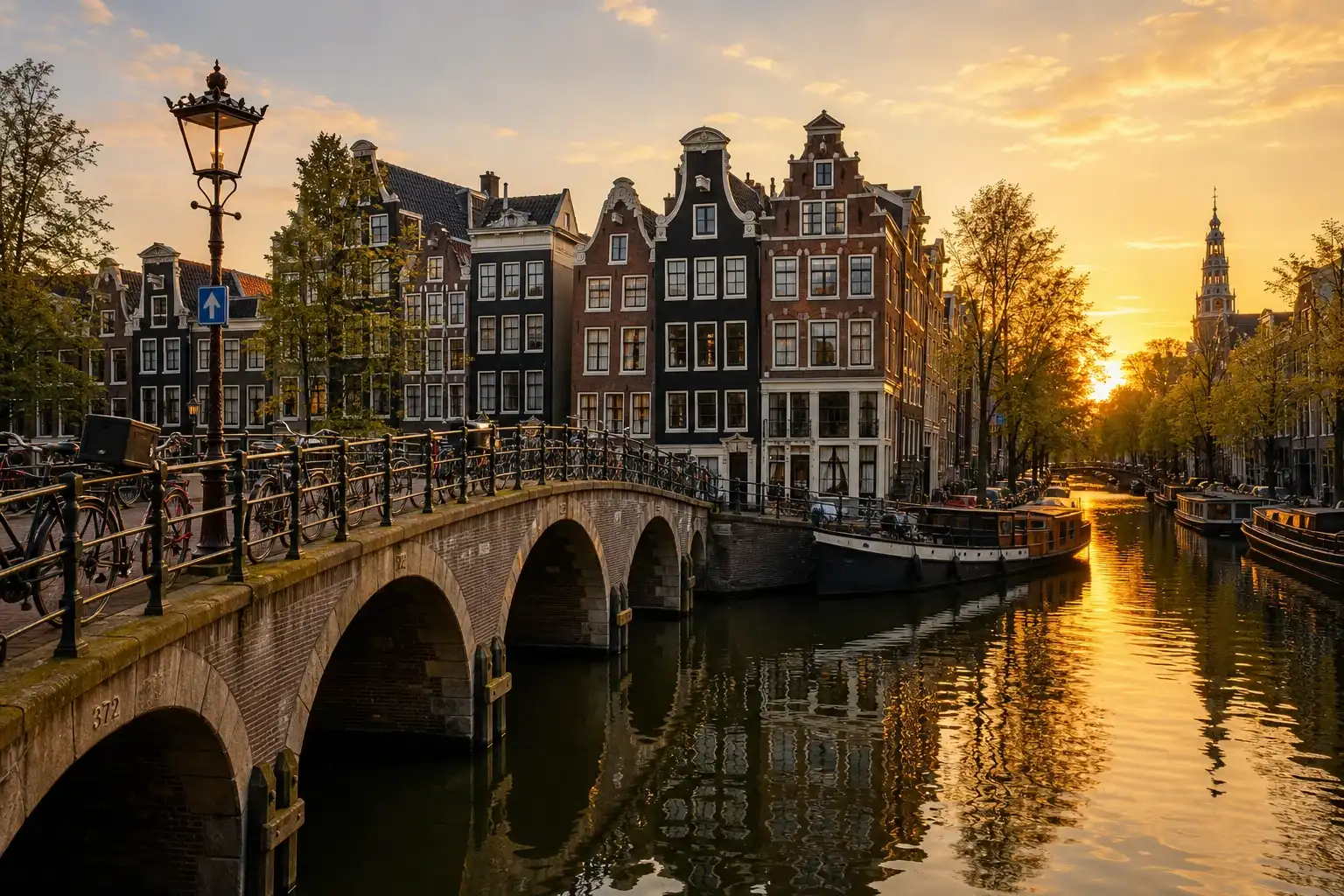
Europe offers several versions of the month. Western Crete is green enough for walking and warm enough for harbor dinners. Puglia’s white towns sit among olive groves before summer turns every stone lane into a furnace. Copenhagen holds its light late, making a neighborhood dinner feel like part of a much longer day.
My first choice is Córdoba during its annual patio festival. Choose Chania for a six-night island base, Monopoli for five nights of Puglia, or Copenhagen for four nights of food, design, and water. None comes with a promise of warm sea, empty monuments, or flawless weather. Each does offer a trip that May improves. The decisions below cover where to stay, how long to remain, and which calendar, transport, or headline booking deserves attention first.
Córdoba for Courtyards That Change the City
Córdoba sits inland in Andalusia, where the Guadalquivir River passes a historic center of pale stone, narrow lanes, and shaded rooms. Its most famous building is the Mezquita-Catedral, a former mosque whose forest of red-and-white arches now surrounds a Renaissance cathedral. That architecture can justify the journey in any season. May adds something more intimate: residents opening flower-filled courtyards during the Fiesta de los Patios.
The patios are working parts of houses rather than theatrical sets. Pots cover the walls because every patch of shade matters; wells, fountains, and stone help make the interior cooler. During the festival, visitors follow official routes through participating courtyards in districts such as San Basilio, Santa Marina, and San Lorenzo. The pleasure lies in details—a hand-painted pot, a stair wrapped in leaves, water sounding inside a whitewashed enclosure—not in counting how many doors you crossed.
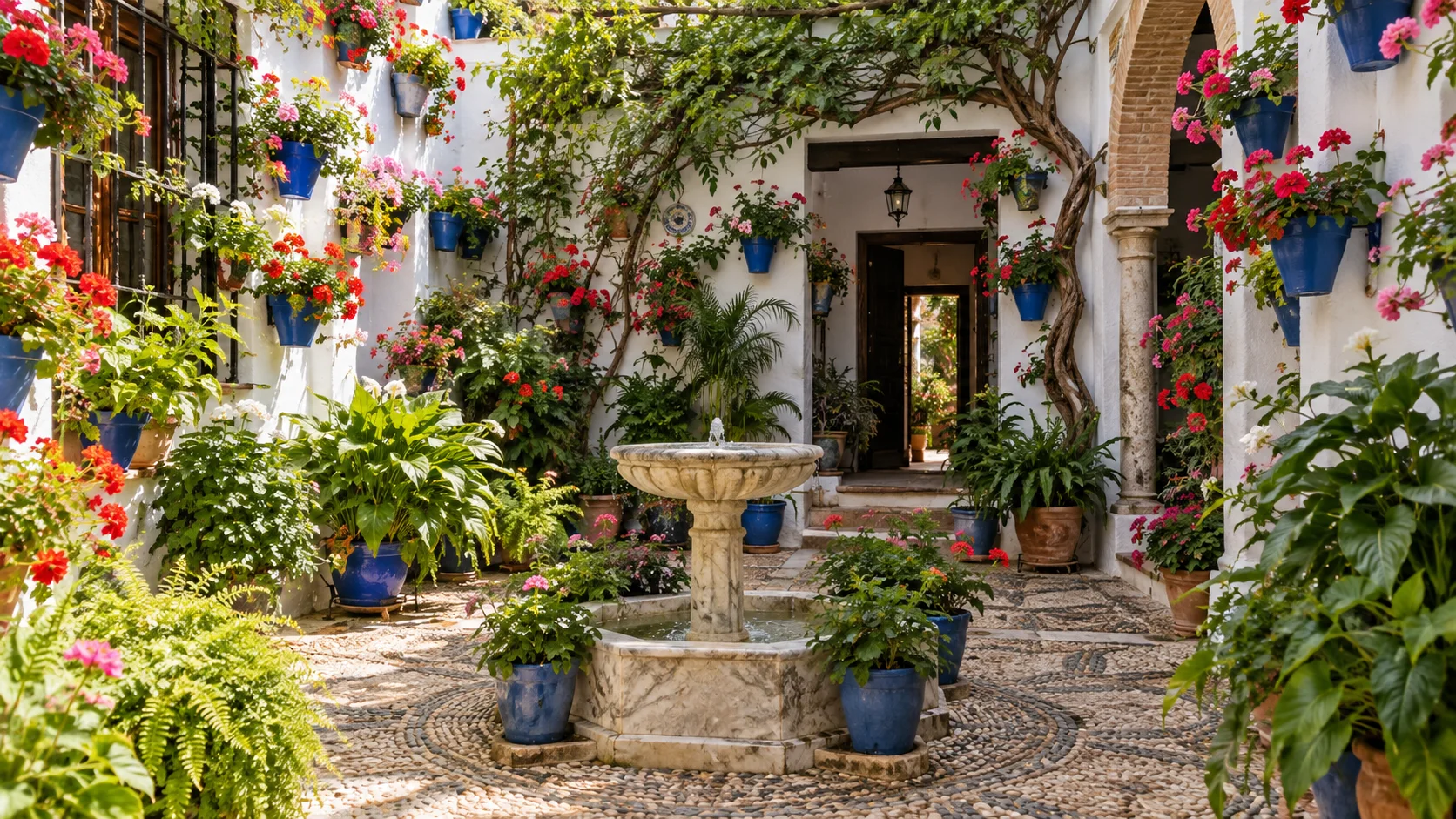
The official Córdoba festival page confirms the annual May tradition, while the official patio visitor site carries practical route information. Check the schedule for your travel year before reserving flights or a nonrefundable room. A previous year’s dates are useful context, not a calendar you should quietly copy forward.
Give Córdoba four nights. Use the arrival evening for the Roman Bridge and river light. Give the Mezquita-Catedral and the old Jewish quarter a patient morning, then let lunch divide the day. Reserve one full day for a patio route with a long pause when the lanes become busy, and keep the remaining day for another district, the Alcázar gardens, or a weather change. The city earns those nights because the courtyards and monuments reward different speeds.
Stay Within Walking Distance of the Patios
Compare central Córdoba hotels once the festival calendar is confirmed. A walkable base lets you pause during the busiest hours and return for a second evening route; check cancellation terms before committing to festival dates.
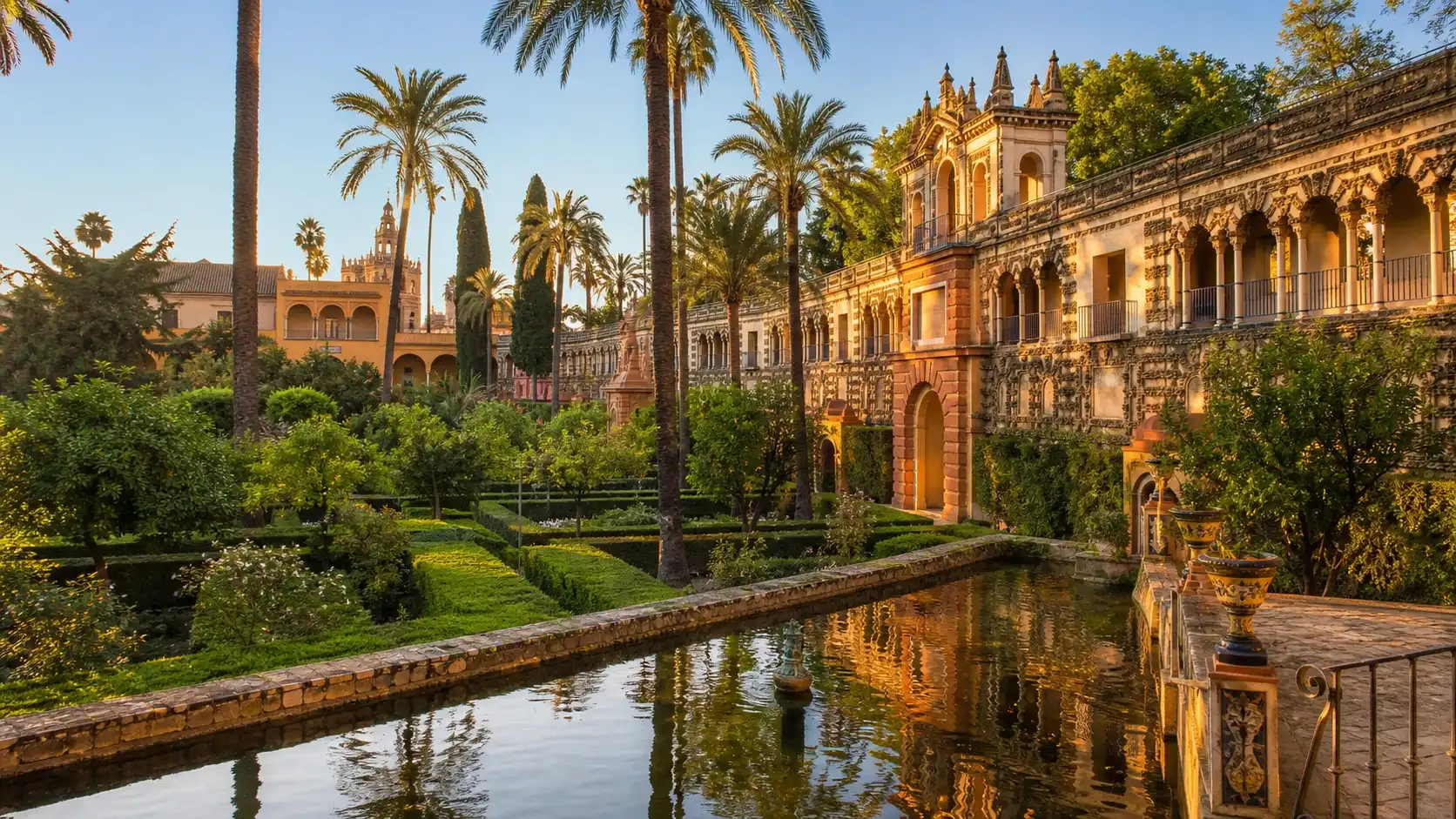
Compare Córdoba HotelsSeville belongs naturally in a longer Andalusia trip. Adding it inside four nights creates a second hotel, a transfer, and a compressed festival day. Stay with Córdoba if the patios are the reason for coming. Book the central room after the official dates appear, then choose one or two patio districts rather than treating every open door as an obligation.
The compromise is popularity. Courtyards can be small, queues can form, and midday warmth builds even in spring. Go early, leave room for an indoor or shaded afternoon, and return to the streets near dusk. Córdoba is the strongest May recommendation here because the city does not merely look attractive in the month; its residents create an experience that belongs to it.
Stay with Córdoba if the patios are the reason for coming.
Western Crete From One Chania Base
Crete is Greece’s largest island, stretching far enough east to west that “seeing Crete” can become a week of road time. For a first May trip, choose the west and sleep in Chania. Its Venetian harbor curves around ochre façades and a long breakwater, with the old lighthouse marking the entrance. Behind the water, lanes reveal Venetian walls, Ottoman details, bakeries, workshops, and tables that stay inviting after the day-trippers thin.
The trip should not depend on one famous gorge. The official Visit Greece guide to Crete supports the island’s mix of harbor towns, Minoan history, beaches, and mountain landscapes, while the national adventure guide identifies spring as a favorable walking season. Actual route openings, weather, and transport remain live conditions. If Samaria Gorge matters, verify its status close to the day and keep another plan you would genuinely enjoy.
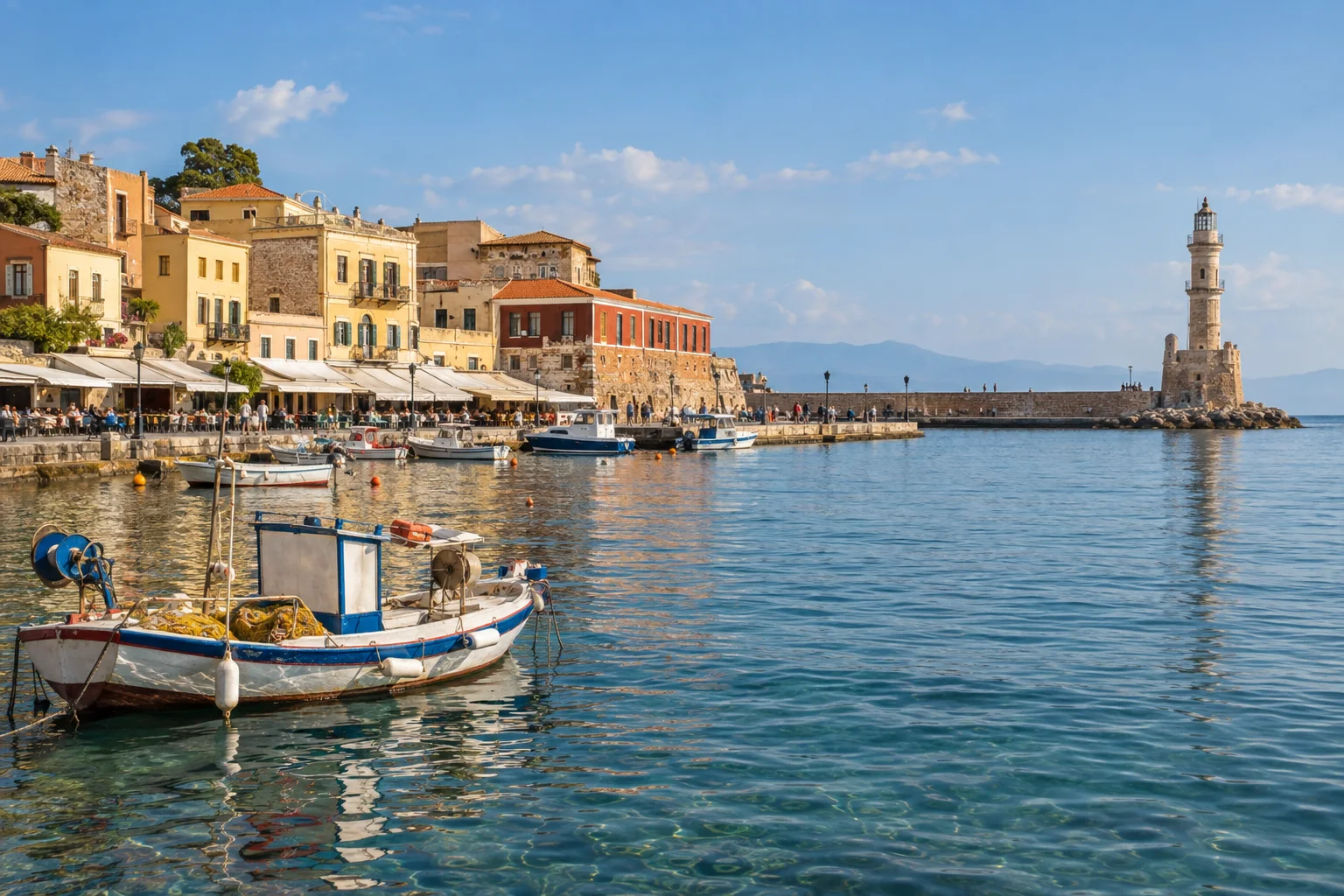
Spend six nights in Chania. Arrival introduces the harbor. One full day belongs to the old town, the maritime edge, and a meal that does not answer to a bus departure. Use another day for Rethymno or an archaeological interest, one for the Akrotiri peninsula or a beach when conditions suit it, and one for the walk that the forecast and official status support. A final slow day can hold a village, another coast, or simply the market and waterfront without an itinerary pressing against it.
That allocation protects the trip from its most likely mistake: trying to combine western Crete, Heraklion, Knossos, and the east because they share an island name. An eastern base improves a stay of nine nights or more. Inside six, the transfer absorbs flexibility and makes each weather decision more brittle. Chania has enough depth to remain the home of the trip.
May’s compromise is uncertainty with a reward attached. Mountain routes can change, the sea may feel cool, and a windy day can reorder the plan. In exchange, the island is greener and walking is more appealing than in the height of summer. Reserve the Chania stay first, then book only the transport or headline visit you cannot move. Leave one complete day free to follow the conditions.
Puglia for White Towns and Long Lunches
Puglia forms the heel of Italy, with the Adriatic on one side and the Ionian Sea curling around the other. In the Valle d’Itria, olive groves and dry-stone walls surround towns that rise white above the countryside. Alberobello is the famous image: clusters of trulli, small limestone buildings capped by conical stone roofs. Seeing those gray cones gather across a hillside makes the town feel unlike anywhere else in the region.
The official Italia.it Alberobello guide explains the trulli and their setting. Go early enough to notice construction details and side lanes before the busiest part of the day. Then let Alberobello be one chapter rather than the whole Puglia story. Locorotondo offers a compact white center above the valley, Martina Franca brings Baroque façades and graceful streets, and the Adriatic coast gives the inland days a different horizon.
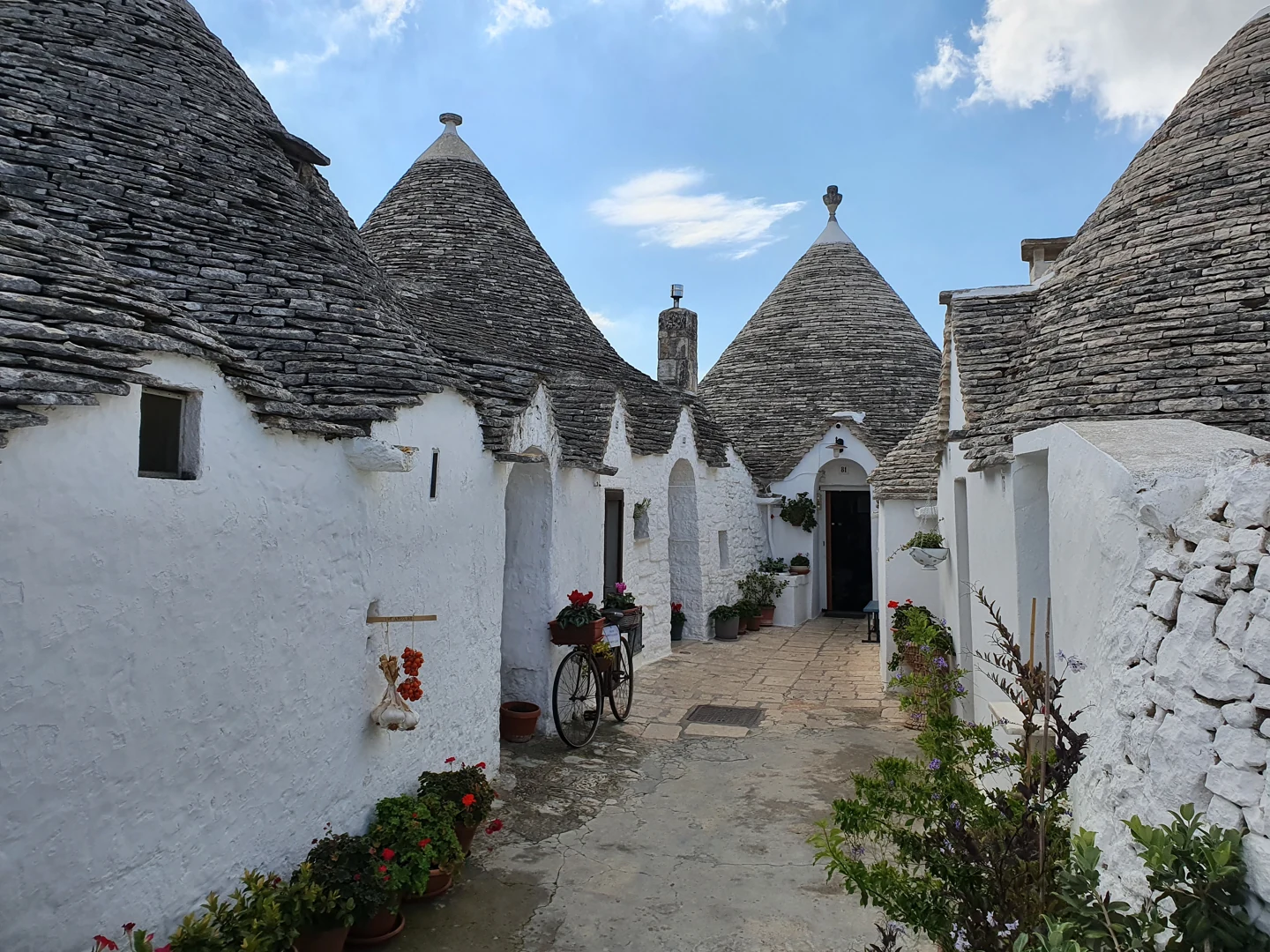
Base yourself in Monopoli for five nights. Its old harbor and compact historic center provide an evening setting after the excursion traffic ends. Use one early day for Alberobello, another for Locorotondo and Martina Franca, and one for the coast—perhaps nearby Polignano a Mare, chosen with realistic expectations about crowds. The remaining time belongs to a slower food day, a beach if the weather earns it, or the place that made you wish you had stayed longer the first time.
Come Back to Monopoli for the Evening
Compare stays near Monopoli’s old town and harbor for a five-night coast-and-country trip. If you plan to drive inland, check parking and arrival instructions before choosing a room inside the historic lanes.
Compare Monopoli Hotels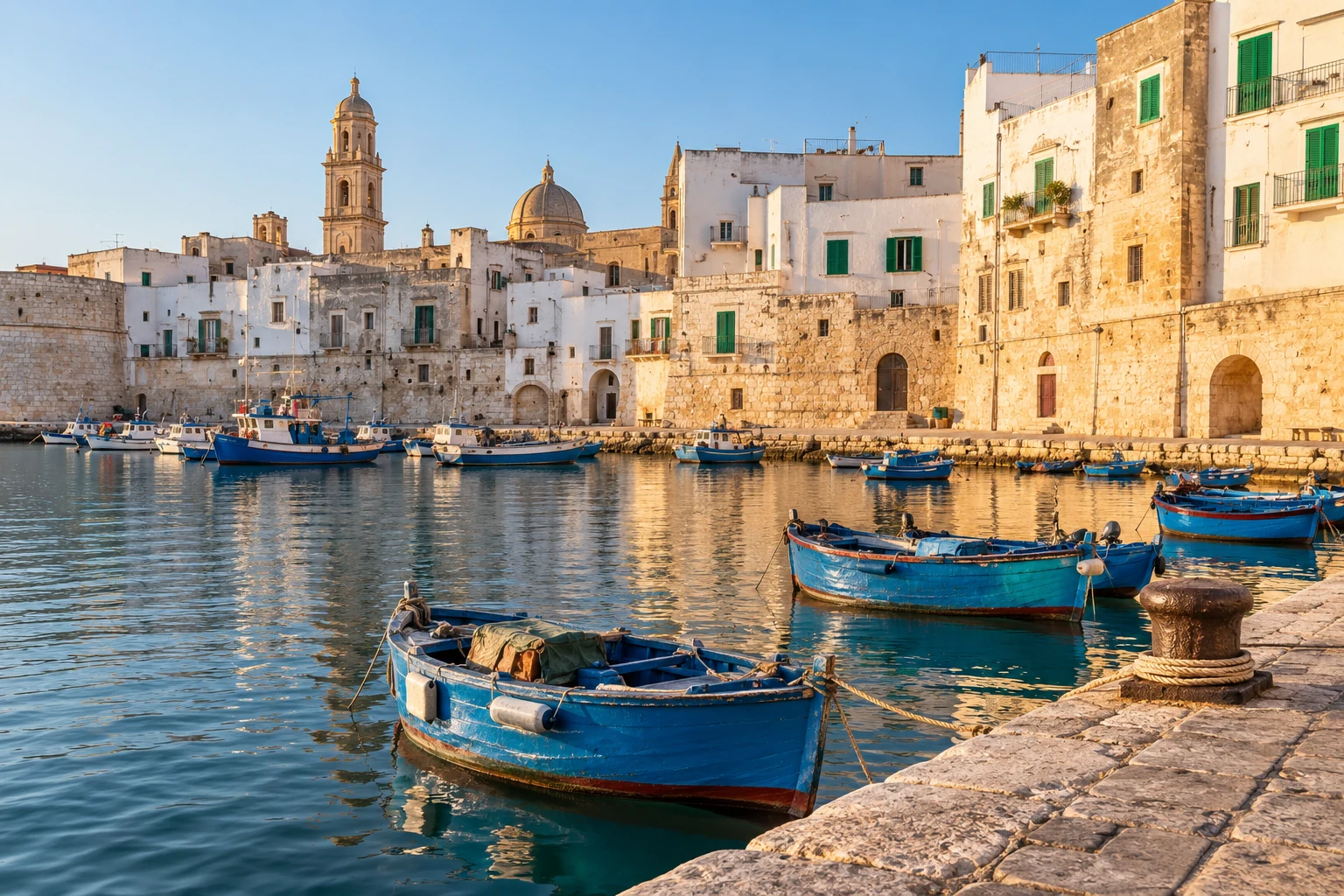
Five nights work because the region’s appeal lives between headline towns: olive trees beyond a stone wall, bread still warm at lunch, and the return to the sea at dusk. Moving from Bari to Alberobello to Lecce inside the same stay replaces that rhythm with parking and check-ins. Bari improves a trip of seven nights or more, especially when its transport connections or old city matter. It does not need to become a second hotel in a five-night Valle d’Itria plan.
The warning is simple: do not collect white towns. Their lanes and piazzas blur when every stop is reduced to an hour. Choose a base first, identify two inland days, and let meals take the time they require. May makes Puglia persuasive because the pleasure remains outdoors without asking you to build every afternoon around escaping peak heat.
Copenhagen in the Long Northern Light
Copenhagen offers a completely different May. Water divides and connects its neighborhoods, bicycles move across harbor bridges, and the evening stays pale long enough for dinner to feel like the continuation of the afternoon. Historic façades and royal squares provide the recognizable city, but the trip becomes more interesting when you leave the postcard edge of Nyhavn and give neighborhoods their own time.
Start with the old center and waterfront, then spend a day in Nørrebro, where food counters, parks, cafés, and residential streets reveal a younger, more mixed city. Cross to Christianshavn for canals and church towers, or continue toward the harbor spaces around Refshaleøen when current openings suit you. The official Copenhagen neighborhood guide is useful for deciding which part of the city matches your interests, and its food weekend guide helps turn meals into a route rather than a list of famous restaurants.
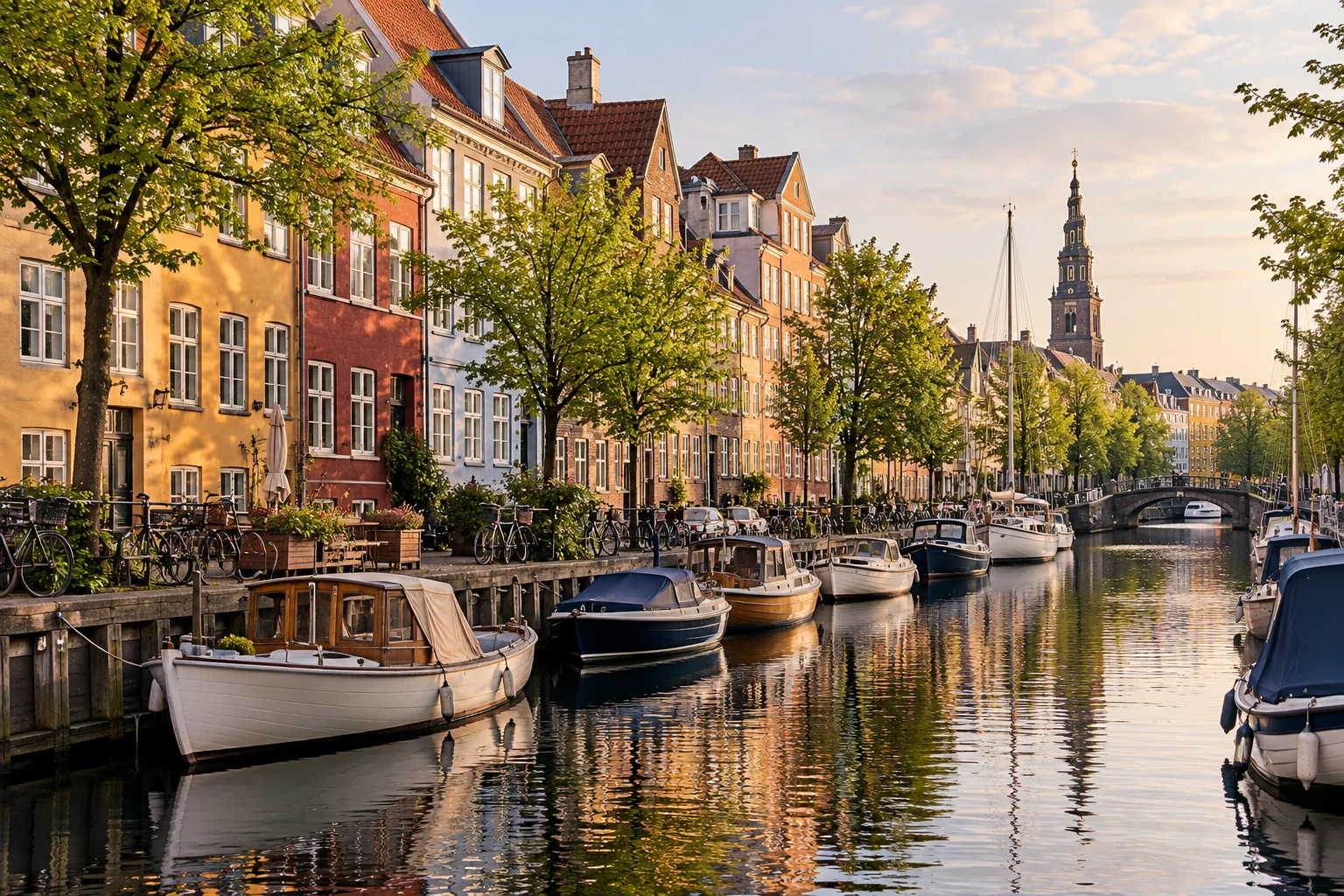
Give Copenhagen four nights. Arrival leaves time for a harbor walk. One full day covers the historic center and a museum or design interest. Another belongs to Nørrebro and its food rhythm, while the third stays flexible for Christianshavn, a second museum, a bicycle day, or weather. That spare capacity matters in a city where an excellent indoor collection and a long outdoor evening can exchange places without damaging the trip.
Malmö, across the Øresund in Sweden, is a reasonable day trip when crossing a border by train is part of the appeal. It should remain optional. A second hotel does not improve a four-night Copenhagen visit, and a Malmö day takes time from neighborhoods that most short trips barely reach. Decide after identifying what you already want in Copenhagen, not because two countries sounds more efficient than one.
Long light is not the same as warmth. Wind off the water and a cool evening can change the day quickly, so bring layers and avoid constructing the trip around outdoor tables alone. Book the Copenhagen room and any must-see timed museum first. Keep one day movable, then use the forecast to choose between harbor, park, and gallery. This is the May choice for a traveler who wants the city itself—its design, food, water, and ordinary movement—to be the event.
Choose the May Evening You Want
Choose Córdoba if opening a courtyard door into flowers and cool stone is the scene you want to remember; wait for the official festival calendar, then secure four nights. Choose Chania if the day should end beside a Venetian harbor after a beach, village, or conditions-led walk; book six nights and resist crossing the whole island. Choose Monopoli if white towns, olive country, and a long Adriatic dinner sound better than a famous-event calendar; protect five nights in one base. Choose Copenhagen if food, design, bicycles, and a pale late sky make the strongest case; give it four nights and one flexible day.
If your dates fall earlier, the best places to visit in Europe in April offer tulips, Feria nights, green capitals, and Atlantic trails. May asks a different question. Pick the outdoor life you want, make the one reservation that protects it, and leave enough space for the month to be felt.