Quick Take
The short answer
Amsterdam and Lisse are my best April choice when spring itself is the attraction: book Keukenhof, then keep Amsterdam as the four-night base. Choose Seville for warmer city days and Feria energy, Ljubljana for an easy green capital with one regional outing, Rome for art and meals that survive a shower, or Madeira for hiking with a flexible forecast. None is a guaranteed beach holiday.
Trip details at a glance
- Best spring spectacle: four nights in Amsterdam with one timed Keukenhof day.
- Best warm city break: four nights in Seville, avoiding Feria week unless the event is the point.
- Best compact green base: four nights in Ljubljana with one weather-chosen day trip.
- Best active trip: five nights in Funchal with two interchangeable trail days.
In this guide
In Amsterdam, April can turn a garden path into bands of yellow, red, and violet tulips. In Seville, the month brings evenings beneath fairground lanterns and afternoons wandering tiled courtyards. Farther north, Ljubljana’s café tables begin claiming the riverbanks again. Rome offers long walks between ancient ruins and lunch, while Madeira’s Atlantic slopes stay green beneath moving cloud.
Those are five different reasons to travel. The Netherlands gives you a northern spring, with flowers and cool canal mornings. Andalusia offers warmer city life. Slovenia suits a smaller, quieter trip. Italy supplies enough art, food, and street life to keep a wet day interesting. Madeira, a Portuguese island off northwest Africa, is for walking through mountain scenery and forest.
My first choice for a trip centered on spring is Amsterdam with a day at Keukenhof, the seasonal flower gardens near Lisse. I would choose Seville for outdoor city days, Ljubljana for an easy capital and countryside outing, Rome for a first encounter with Italy, or Madeira for hiking. Below, I’ll explain what each trip feels like, how much time to give it, and which dates or bookings deserve attention. None needs a promise of hot seawater to be worth going.
Amsterdam and Lisse: Tulips, Canals, and Café Afternoons
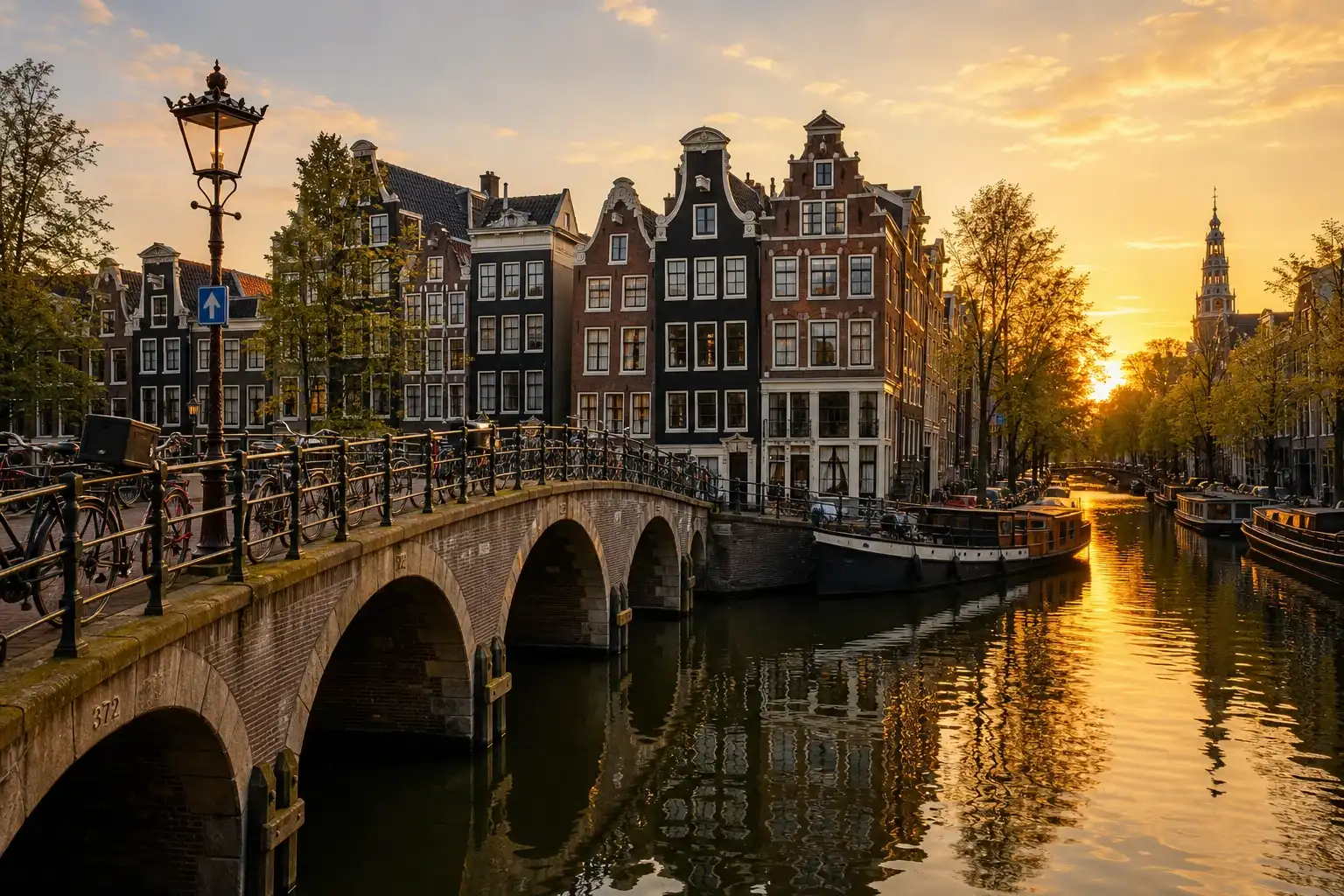
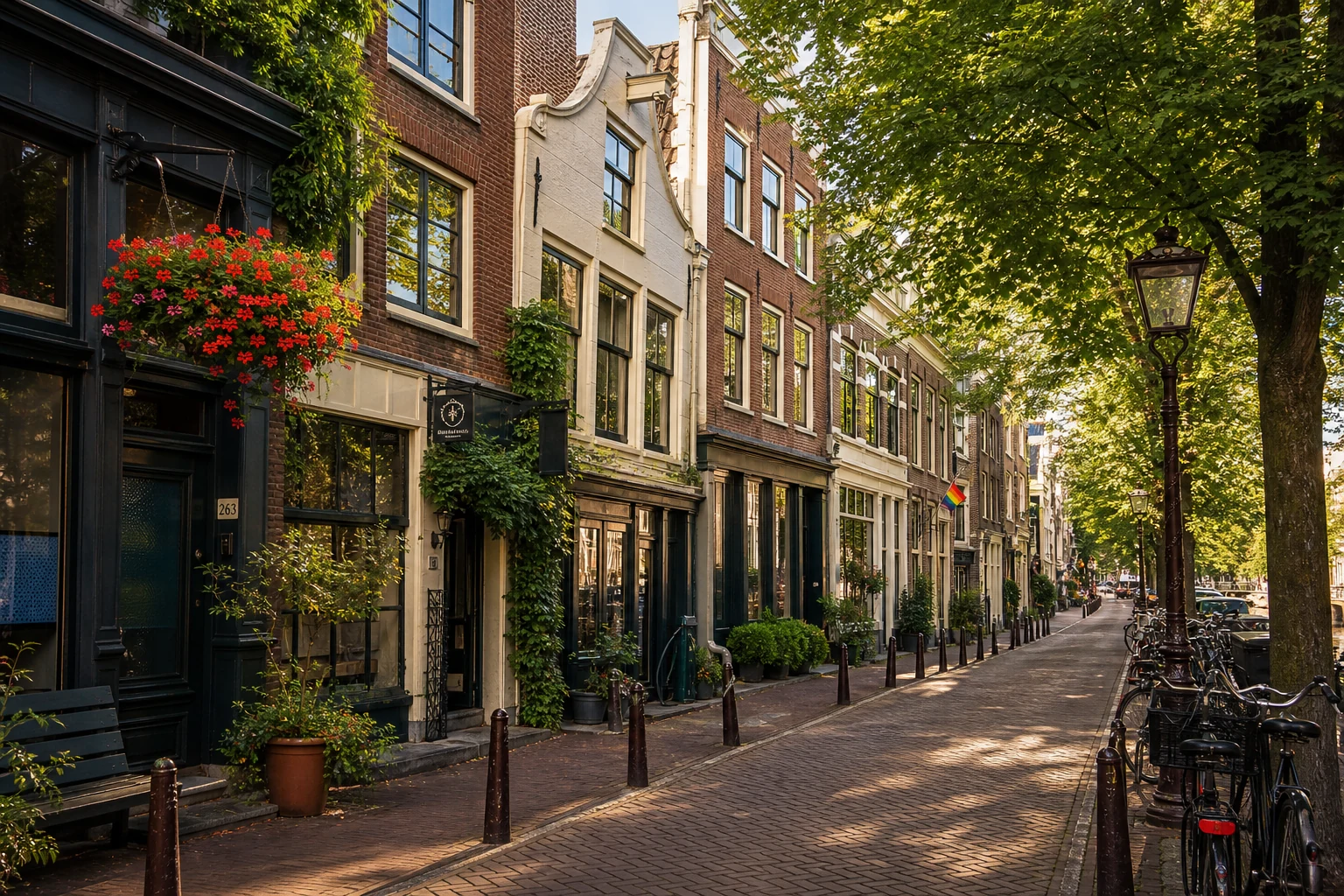
Amsterdam gives a flower trip somewhere interesting to return to. Its tall, narrow canal houses face water crossed by small bridges, with bicycles filling the spaces between. In the Jordaan, lanes and canals connect shops, cafés, and residential streets. The city is compact enough for an afternoon walk to become the main event, especially when the trees are beginning to leaf out and the evening light lasts a little longer.
The tulips are outside that city setting. Keukenhof, near the town of Lisse, is a landscaped spring garden with beds of bulbs, paths, ponds, and indoor flower displays. The surrounding agricultural flower fields are a different experience: broad rows of color grown commercially. A garden ticket doesn’t give you permission to walk through farmers’ crops. For a first trip, I would choose the garden for close views and variety, then enjoy the countryside from designated routes.
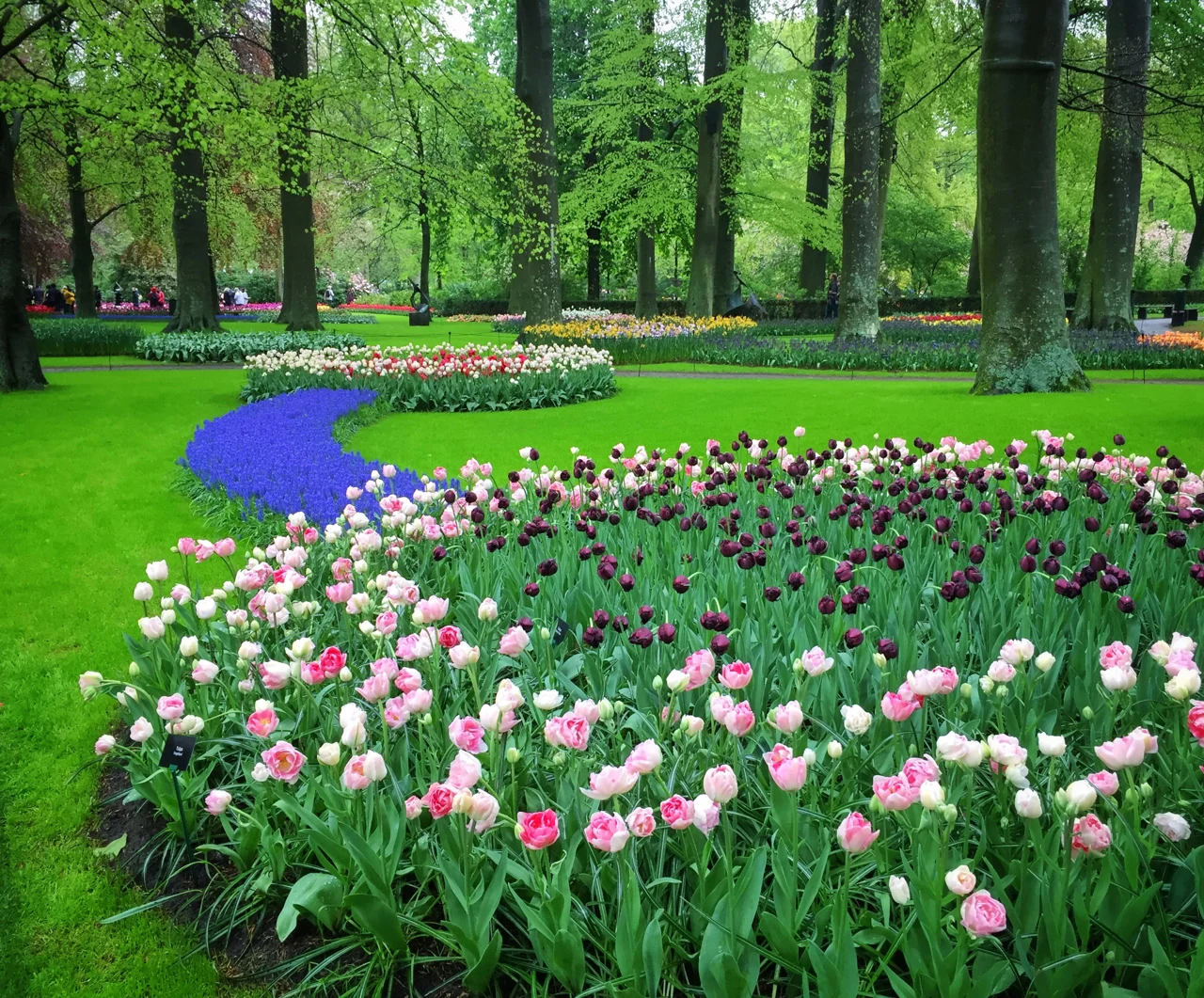
April is appealing because flowers give the visit a seasonal purpose without consuming the whole holiday. You can spend one day among the planting at Keukenhof, another with Dutch painting at the Rijksmuseum, and an afternoon moving between canals and cafés. A brown café is a traditional Dutch pub, often with dark wood and a comfortable, well-used interior. On a cool afternoon, that is a persuasive place to stop.
The official Keukenhof site lists its 2027 season as March 18–May 9, with daily hours of 08:00–19:00. Tickets are scheduled to go on sale in mid-October 2026. Buy through the official site once sales open and choose an entry time that leaves room for the journey from Amsterdam. Bloom varies with the weather, so I would aim for a spring garden rather than promise a particular photograph of peak tulips.
Four nights in Amsterdam work well: arrival evening, a canal-and-museum day, a Keukenhof day, and a third full day for neighborhoods or another interest. Stay in the city and make Lisse an excursion. You can return for dinner without moving luggage, and a rainy day still gives you museums and indoor cafés. For lodging and transport details, use the Amsterdam travel guide.
Late April has a second personality. King’s Day, the national celebration of the monarch’s birthday, fills Amsterdam with orange clothing, boats, street markets, and parties. The city’s tourism calendar confirms Tuesday, April 27, 2027. Go if that communal noise and celebration sound fun. For a quieter flower-and-museum trip, choose other dates and compare complete hotel totals before booking. April is popular here, and tulips have never been a reliable discount strategy.
Stay in Amsterdam for the Flower Trip
Compare city hotels with an easy walk or transit connection to the places you want to visit. Check your Keukenhof transport separately, and look carefully at prices if the stay includes King's Day.
Seville: Courtyards, Tapas, and Feria Nights
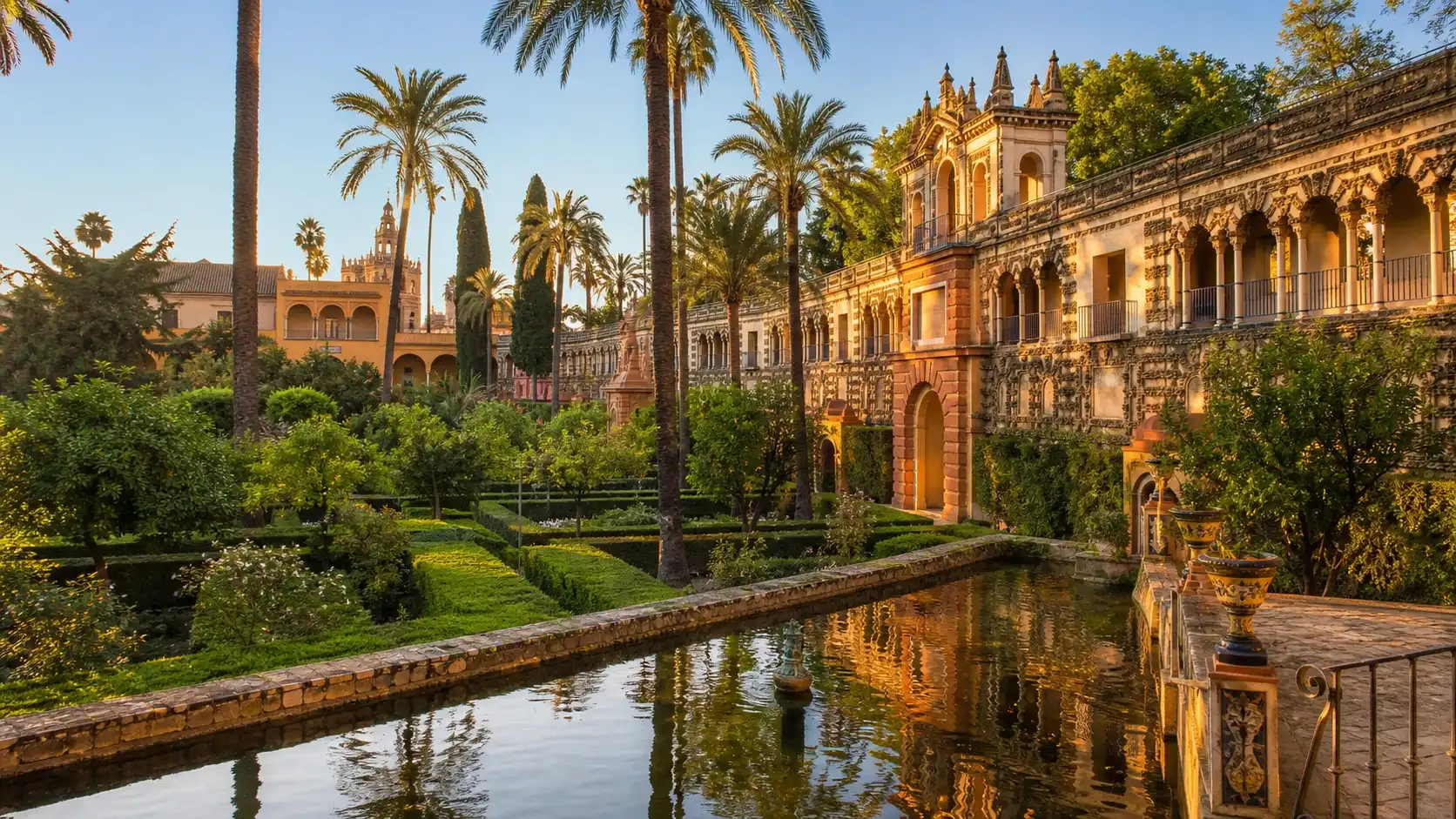
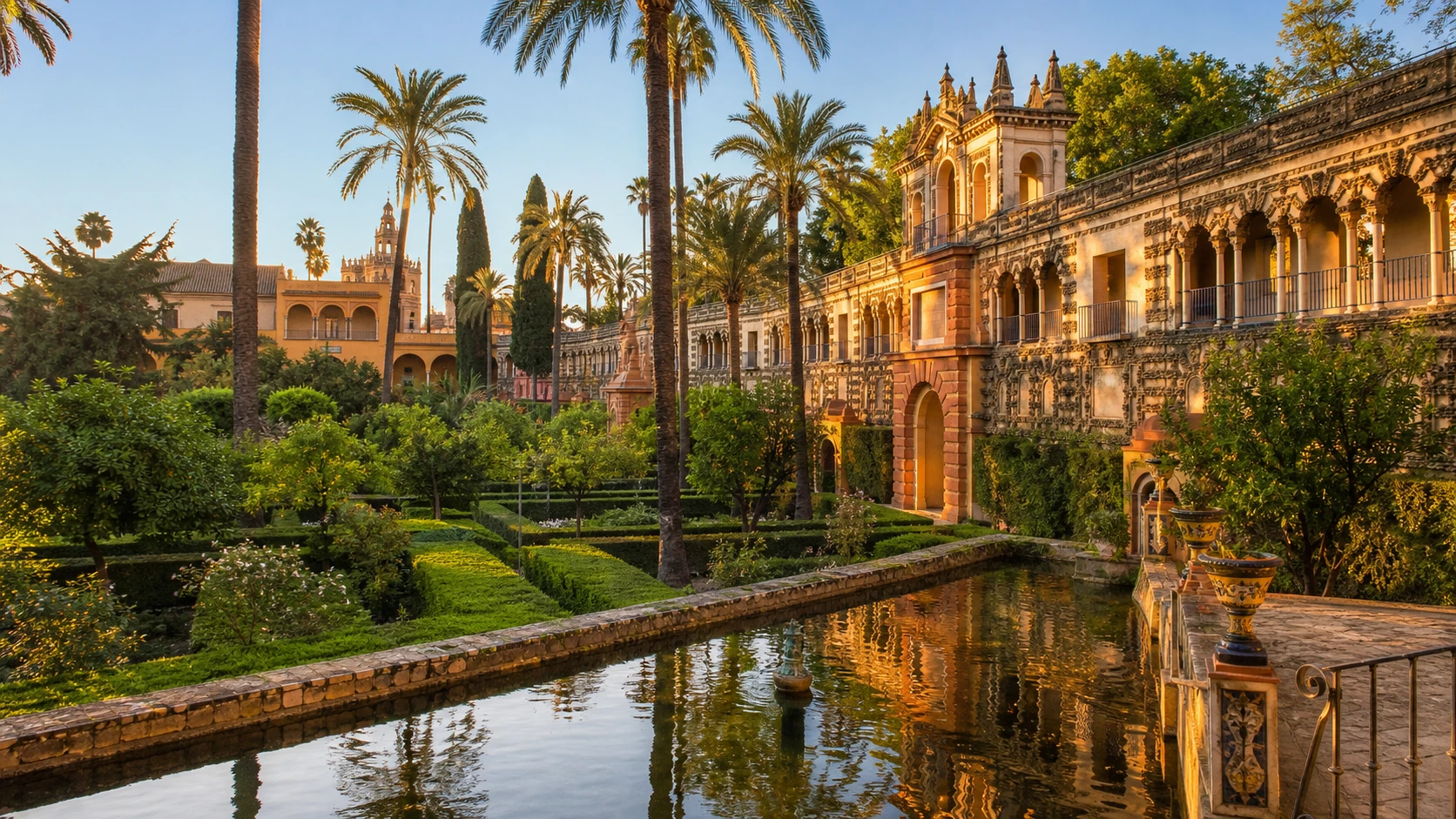
Seville, in southern Spain’s Andalusia, is the place I would choose for spring afternoons spent mostly outdoors. The old center has narrow streets and small squares, with orange trees, shaded doorways, and tiled courtyards interrupting the walk. Across the Guadalquivir River, Triana brings ceramics shops, bars, and a different view of the city from the waterfront. You can enjoy the day by walking between two neighborhoods and taking lunch seriously.
The Real Alcázar gives that wandering a spectacular interior. It is a royal palace complex where carved decoration, tilework, courtyards, and gardens reveal successive layers of the city’s history. The cathedral nearby adds a vast Gothic space and the Giralda, its bell tower adapted from a former minaret. These are substantial visits. I would reserve the palace and give it a morning, then leave time for the streets outside rather than stacking several ticketed sights afterward.
April adds Feria de Abril, Seville’s spring fair. At the fairground, horses and carriages pass people in flamenco dress, lanterns hang above the streets, and music comes from the casetas: tent-like pavilions used for eating, drinking, and dancing. The experience continues into the night. It is a strong reason to travel if you enjoy festivals, but it helps to understand the setting before imagining that every pavilion is open to everyone.
Many casetas are private, associated with families, clubs, or organizations. Visitors can use public casetas and enjoy the fairground streets and rides. Check the visitor information so you know where you’re welcome. The official city calendar lists the 2027 Feria for April 13–18. Choose that week deliberately and book accommodation early; the location and the journey home after a late evening both matter.
Outside Feria, Seville still has a strong April case. Tapas let you sample several dishes without committing the whole evening to one restaurant, while the river and palace gardens give you outdoor time between meals. I would choose four nights: an arrival evening, a palace-and-cathedral day, a Triana-and-river day, and a third full day for Feria or more city exploring. Adding Córdoba makes sense with more time; inside this stay, it takes away a day Seville can readily fill.
The city is a better fit for walking and eating than for anyone whose definition of spring requires a beach. Rain can still arrive, and holiday weeks can bring crowds and expensive rooms. The Seville travel guide helps with neighborhoods and a fuller sightseeing plan. Decide first whether you want the fair or an ordinary city week; that choice changes the holiday more than a few degrees on the forecast.
Ljubljana: A Small Capital With Spring on Its Doorstep
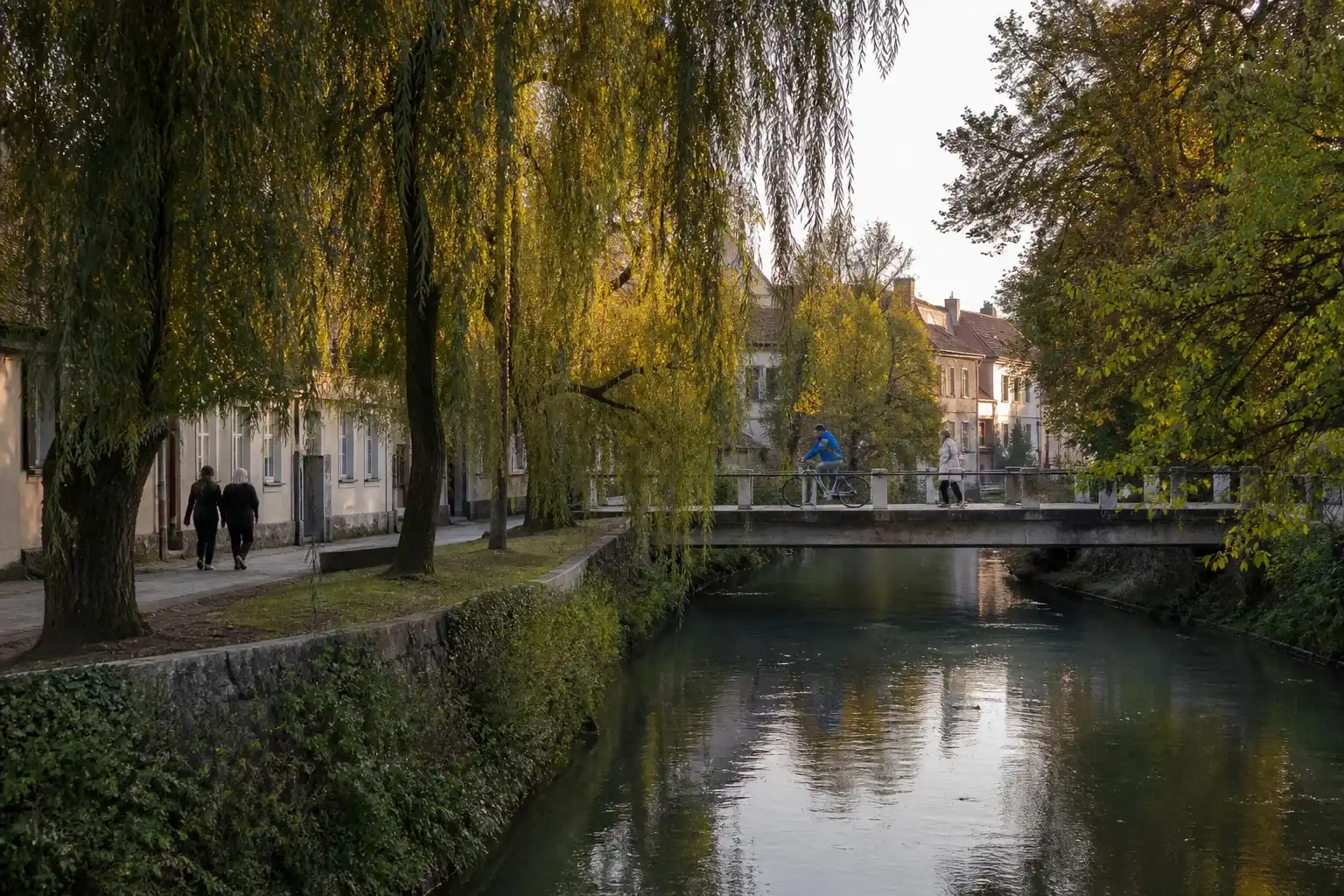
Ljubljana, Slovenia’s capital, offers a gentler city break. A castle crowns the hill above the center, while the Ljubljanica River curves past bridges, market buildings, and terraces. You can cover much of the old town on foot, stopping frequently without feeling that you’re abandoning a sightseeing schedule. For travelers who like a city they can quickly feel comfortable in, that scale is a substantial advantage.
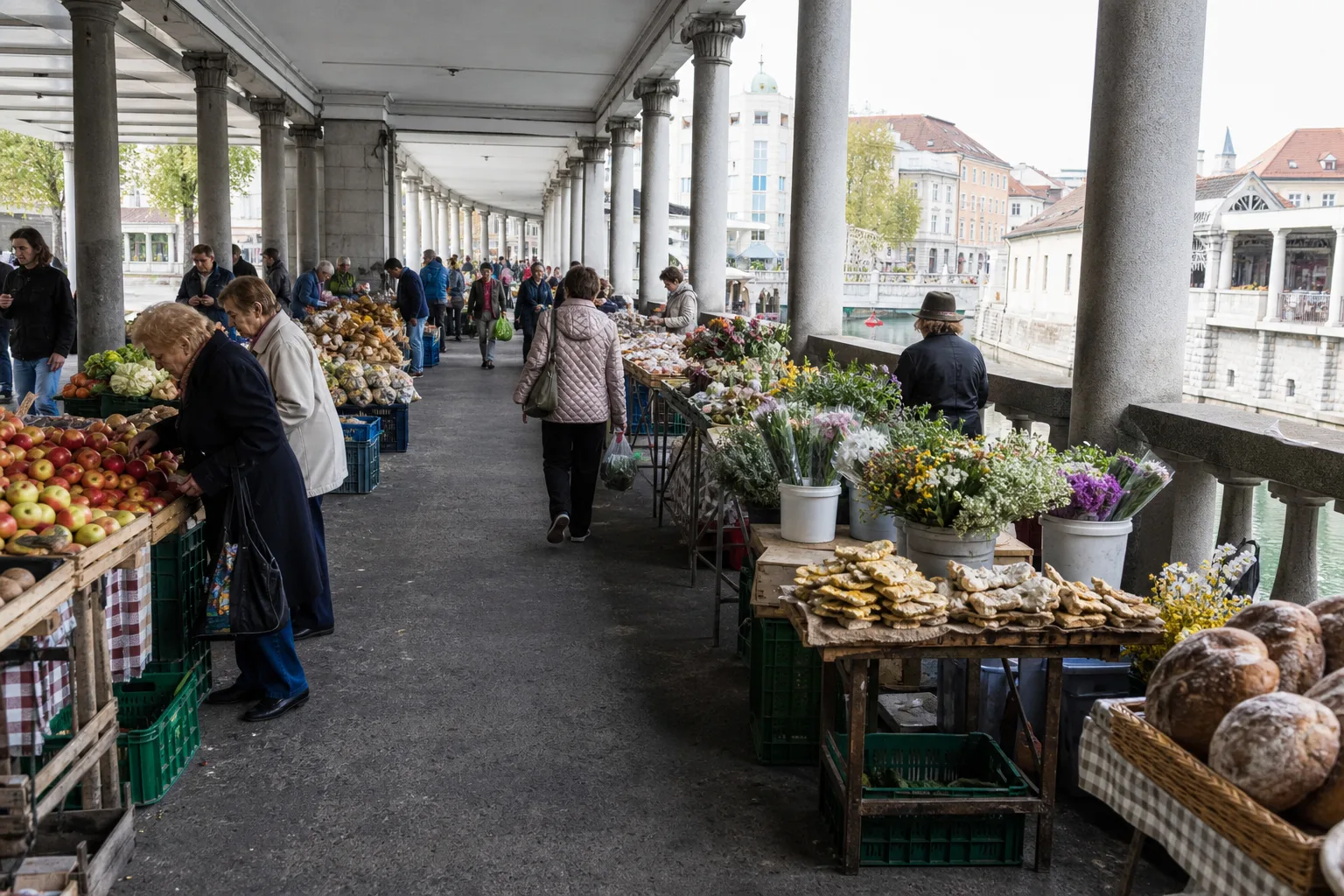
Architect Jože Plečnik helped shape the riverside spaces and bridges that make the center distinctive. His covered market arcades bring architecture into an ordinary food-shopping street, with the river beside them. Tivoli Park adds a green walk close to the center. In April, I would use both: a morning around the market and bridges, then an afternoon outside if the weather holds.
Friday brings Open Kitchen, or Odprta kuhna, to Pogačar Square. This outdoor food market gathers restaurant cooks and stalls, so lunch can range beyond the menu of a single café. The official tourism listing describes sunny Fridays from March into November. Check the actual event calendar before relying on a particular Friday; weather can cancel an outdoor market. When it runs, it gives the trip a convivial center, with people eating and talking near the river.
The surrounding country makes a longer stay worthwhile. Lake Bled offers a lake beneath mountains, a small island church, and a castle above the shore. It is a distinct change from the capital, possible as a day trip. April conditions can still feel cool and unsettled, so choose a lakeside walk according to the forecast and leave higher mountain ambitions to a properly researched outing.
I would spend four nights in Ljubljana if you want that regional day: arrival, an old-town-and-castle day, a market-and-park day, and an excursion. Staying in one place leaves you free to swap the outing for a city day if rain arrives. If you only want the compact center, a shorter stay may suit you better; four nights work because the trip includes countryside as well as the capital.
Ljubljana suits people who enjoy cafés, architecture, and a slower walk more than a long list of internationally famous attractions. I would happily choose it for that kind of spring break. Use the Ljubljana travel guide for hotel districts, food, and transport, and consider whether Friday and a regional excursion belong in your dates before deciding how long to stay.
A spring trip should have something you want to spend an afternoon doing, whether the forecast gives you sun or a shower.
Rome: Ancient Streets and Long Outdoor Lunches
Rome makes a strong April trip because so much of its appeal lies in the walk between famous places. A lane opens onto a piazza, a church door leads into a cool interior, and the next street has tables waiting for lunch. In the historic center, ancient structures sit among apartments, shops, and traffic. The city gives you history at the scale of ordinary daily life as well as enormous monuments.
For a first visit, the Colosseum and Roman Forum explain part of that ancient world. The Colosseum was an amphitheater; the Forum preserves the remains of the civic and ceremonial center beside it. Give the area enough time to understand what you’re seeing. Across the city, the Vatican Museums hold vast art collections, including the Sistine Chapel. These are two different, demanding visits, and I would put them on separate days.
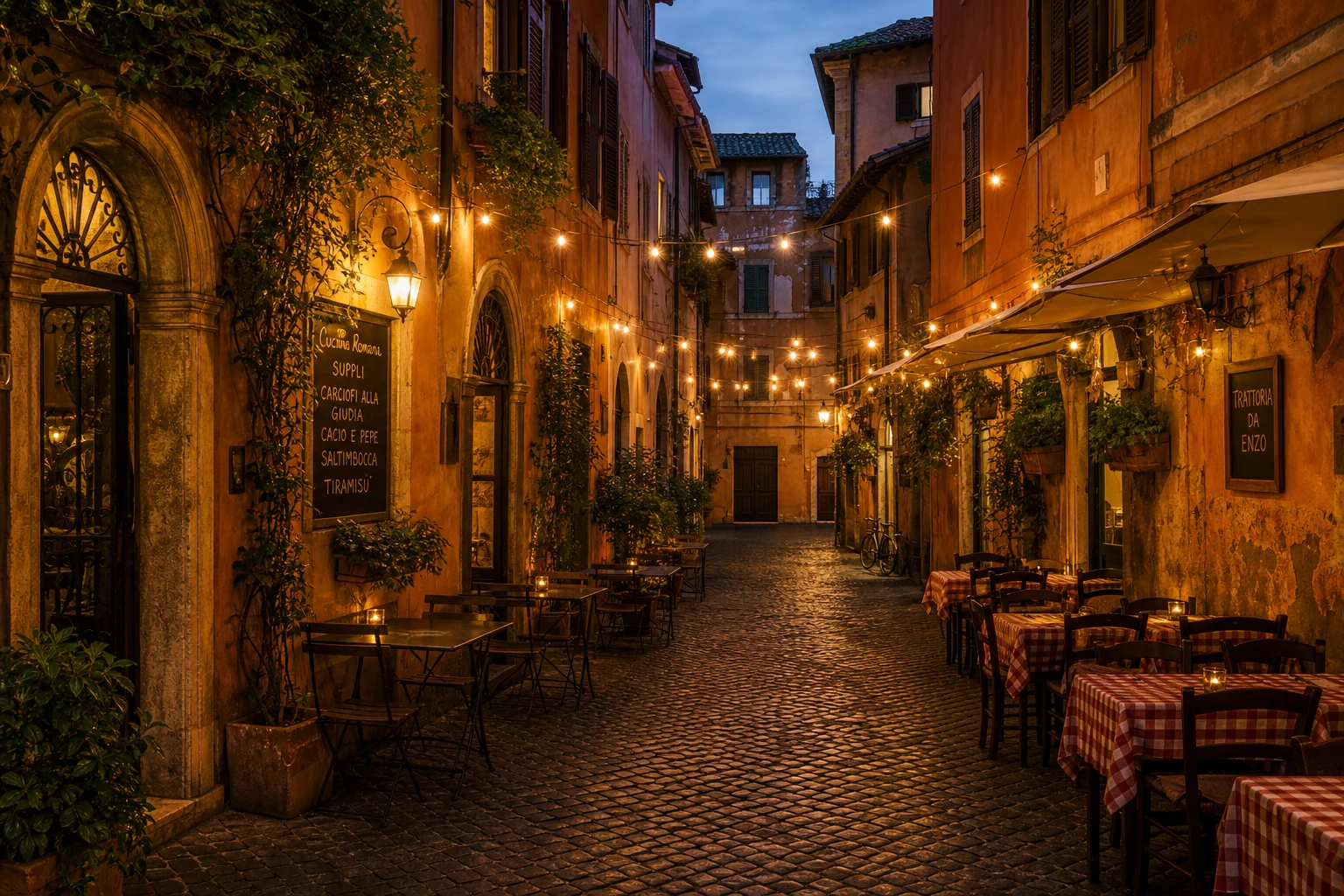
April lets the rest of the city take more of your attention than it might during a hot summer afternoon. Around the Pantheon, the ancient temple now used as a church, you can connect piazzas and cafés on foot. Across the Tiber in Trastevere, narrow streets and restaurant tables make an evening walk easy to extend. A shower may change lunch from outside to inside; it still leaves you with a worthwhile meal and a neighborhood to explore afterward.
Four nights give you an arrival evening and three full days. I would use one for ancient Rome, one for the Vatican side, and one for the historic center, Trastevere, or a museum that interests you. Book the major sights you most want through their official channels, then keep the third day reasonably loose. Rome has more than enough to justify another visit; you don’t need to settle that problem during this one.
Expect company. Spring is a popular time to come, and Easter dates and school holidays change demand from year to year. The softer weather doesn’t make the major sights quiet. Stay where the evening walk home is manageable, compare full accommodation prices, and leave a little money for the meals you will remember more clearly than another queue.
The Rome travel guide covers the current tickets, neighborhoods, and transport. For this choice, the important point is how much the city offers between reservations. I would choose Rome when ancient history, art, and food all count as reasons to travel, and a passing shower wouldn’t undo the holiday.
Madeira: Forest Walks Above the Atlantic
Madeira is a mountainous Portuguese island in the Atlantic, far southwest of mainland Europe. Its slopes rise steeply from coastal towns to ridges, with forests and cultivated terraces between. The island’s distinctive walking routes often follow levadas, channels built to carry water across the terrain. Beside them, a path can take you through damp woodland with water close to your feet and steep green slopes beyond.
The Laurissilva, Madeira’s laurel forest, is part of the island’s appeal: dense greenery, moss, and cloud caught in the trees. Higher routes offer more open mountain views, but they ask for suitable footwear, fitness, and conditions. A levada walk and a ridge hike are different outings. Read the route description rather than assuming every trail in a photograph is an easy afternoon stroll.
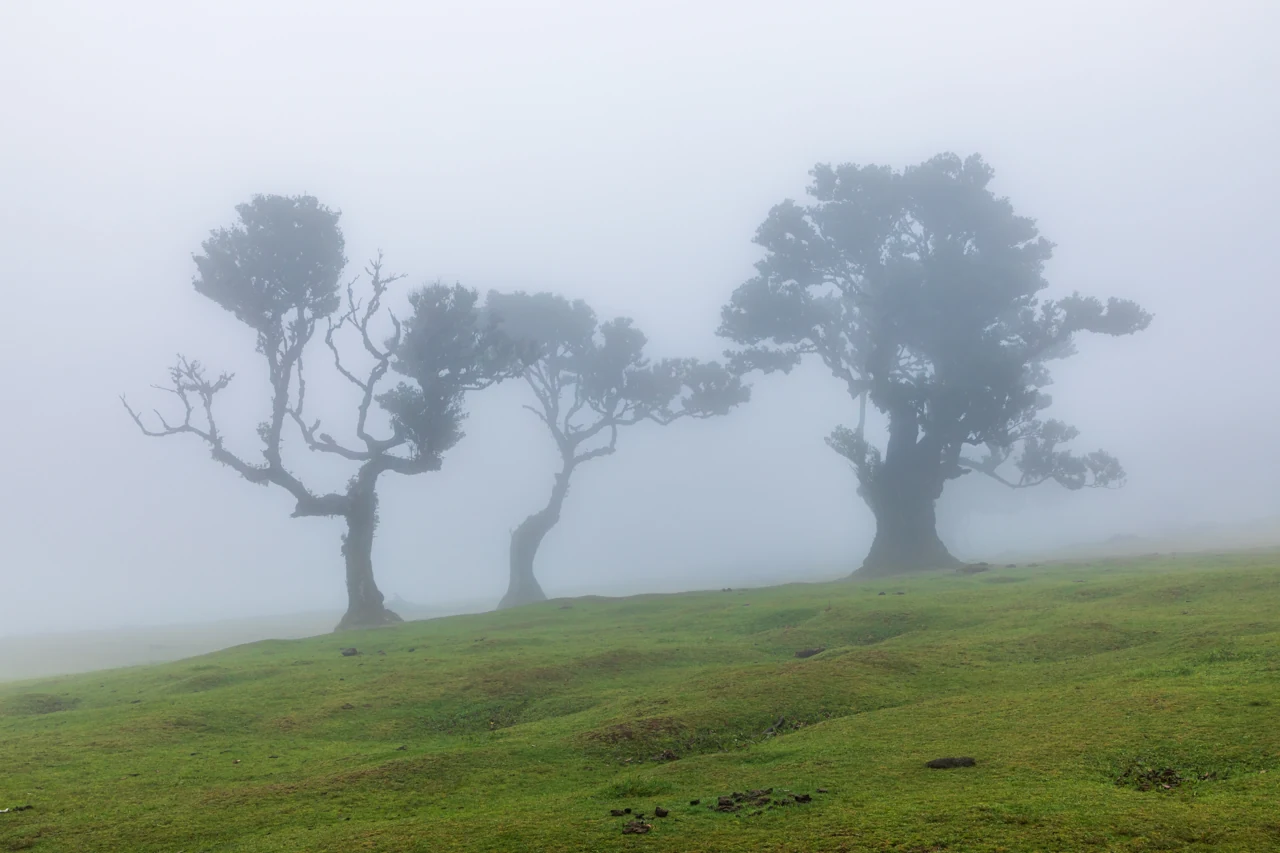
Funchal, the capital on the south coast, gives a walking holiday an enjoyable base. Its old streets, waterfront, gardens, and restaurants fill a day below the mountains. I would stay five nights: arrival time, two hiking days, a Funchal day, and a coastal outing. Keep the hikes swappable, since sunshine at sea level doesn’t guarantee clear weather on a ridge. A second base can help on a longer trip, but five nights are easier with one room and room to change plans.
The official hiking page lists classified routes and their current status. Reservations through SIMplifica are mandatory for classified PR trails, with entry slots and applicable fees. Check both the booking and the live route status before setting out. Transport also needs thought: some walks require a pickup or organized transfer, so inspect the start and finish before deciding a rental car solves the day.
Late April offers another reason to come. The Flower Festival brings floral displays and a program of celebrations to the island, particularly Funchal. The tourism board’s calendar lists April 29–May 30, 2027, with more events concentrated at weekends. Check the detailed program before booking around a parade; the festival date range doesn’t mean the same events happen every day.
I would choose Madeira for forest, ocean views, and days spent walking. It is a weaker choice if your main hope is warm sand and reliably comfortable swimming. Coastal time can be lovely, but the mountain landscape is the reason this island belongs on this list. Allow a rainy or cloudy day to become a Funchal day, and choose trails according to your ability rather than their popularity.
Choose the Spring Trip That Suits You
If this is your first April trip and the season itself matters, I would start with Amsterdam and Keukenhof. The flowers give it a clear purpose, while the city supplies enough art, food, and walking to make the rest of the stay worthwhile.
Seville is my choice for warmer outdoor city life; Rome for a fuller first encounter with art and ancient history. Ljubljana suits a smaller capital with a countryside day, and Madeira is the trip for people who want to bring walking shoes and use them. For a week in Europe, extend the destination you choose or add a nearby stop after reading its full guide. These four- and five-night stays are individual trips, rather than five stops to combine into one holiday.
Pick the place whose ordinary afternoon appeals to you. The big event or famous garden may bring you there, but you’ll spend much more of the trip in its streets, cafés, and landscape.