Quick Take
What you should know before you book
Seville is my best all-round European destination in November: afternoons are made for walking, the city has enough indoor depth for rain, and four nights feel complete. Choose Madeira for hiking, Rome for art and food, Budapest when cold air improves the baths, Tallinn after November 20 for early winter, or south Tenerife when warmth matters more than a classic city break.
- Best all-round city: four nights in Seville, with the Real Alcázar reserved first.
- Best active island: five nights in Funchal, keeping two hiking days interchangeable.
- Best cold-weather experience: four nights in Budapest with a weekday bath morning.
- Best warmth odds: five nights on south Tenerife, with Teide access checked before the route is fixed.
In This Guide
Europe in November is a choice between different kinds of good, not a search for the last place pretending it is summer. Seville’s tiled courtyards become comfortable again. Steam rises from Budapest’s outdoor pools into cold air. Madeira’s green ridges trade guaranteed views for moving cloud, while Tallinn turns dark early enough for dinner to feel like an evening event. My best all-round recommendation is four nights in Seville. Madeira earns its place for hiking, Rome for art and food, Budapest for baths, Tallinn for early winter, and Tenerife for warmth. Decide which version of November you want, then make the one reservation that protects it.
1. Seville for the Best All-Round November Trip
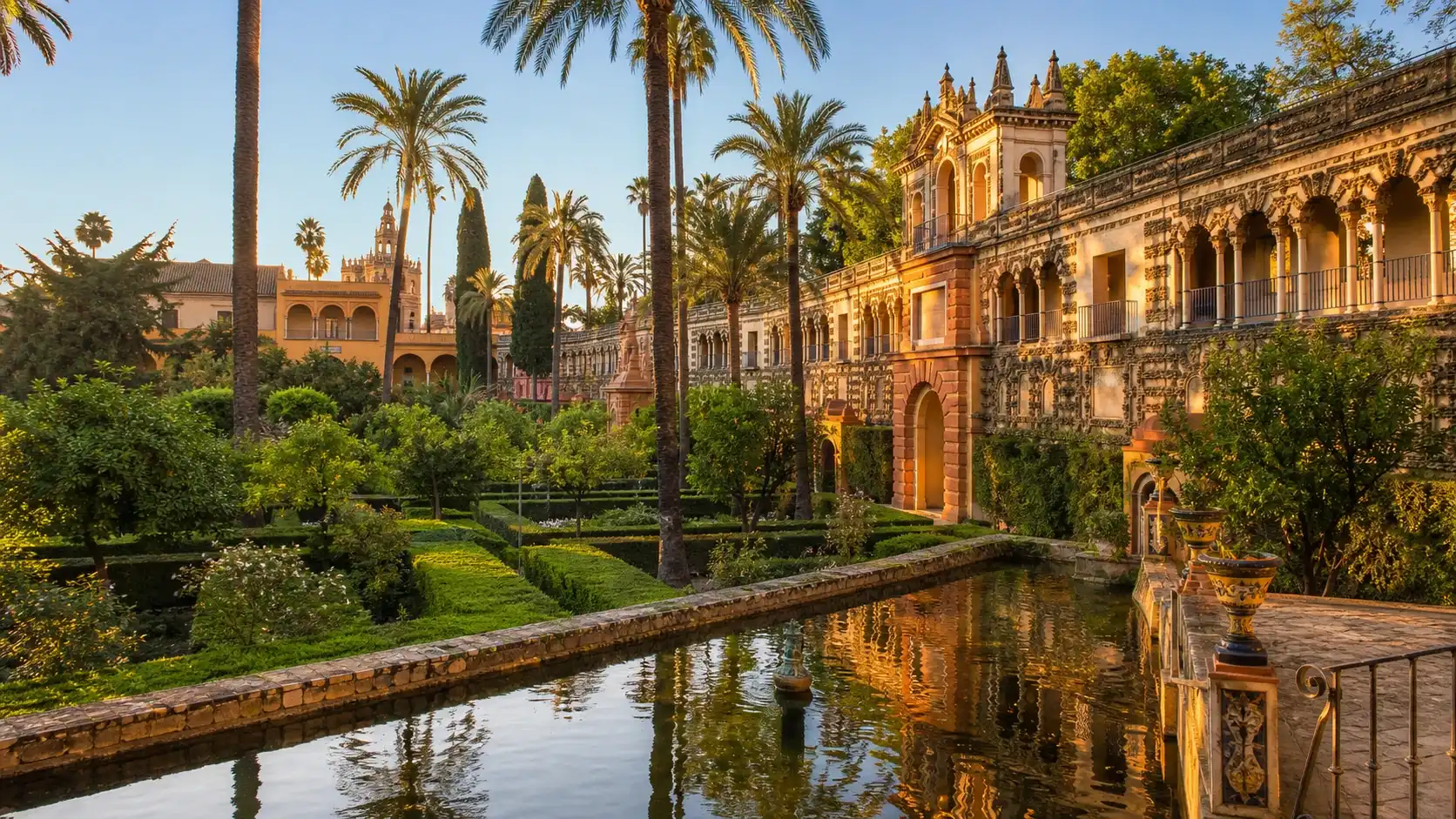
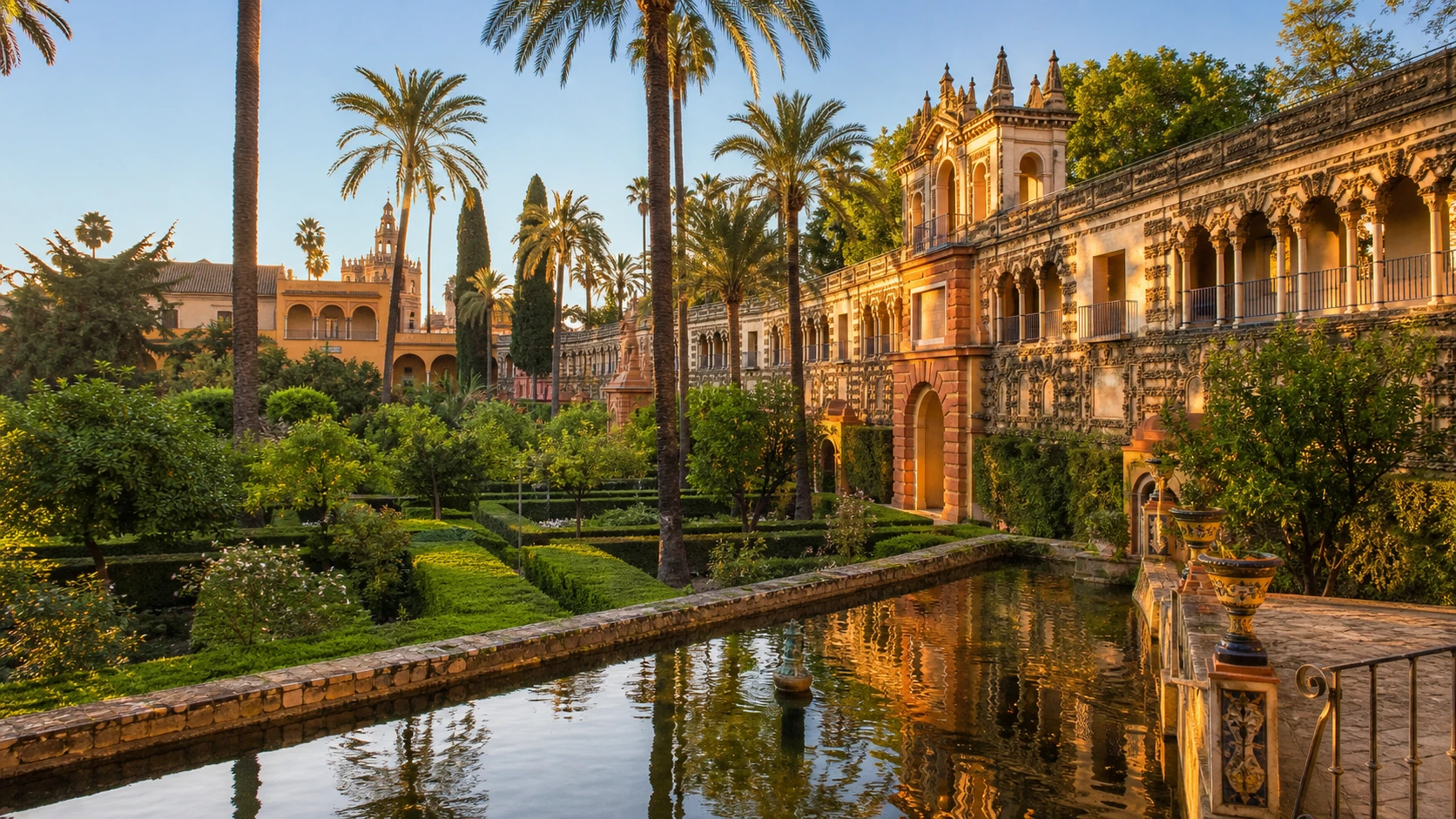
Choose Seville when you want a real city break with a better chance of mild outdoor hours. The Real Alcázar’s palms and azulejos hold warm afternoon light, the Guadalquivir gives the day a long walking spine, and tapas around Calle Feria or Triana still feels like dinner rather than shelter. Seville’s official tourism office describes autumn as a second spring, with pleasant weather, active terraces, markets, and outdoor life. That is the appeal. It is not a promise that every day will be dry.
Four nights is the right allocation. Use one day for the Alcázar, cathedral, and Santa Cruz; one for Triana and the river; and one for the Museum of Fine Arts, Calle Feria, a market lunch, or whatever the forecast favors. Arrival evening supplies the first neighborhood walk without forcing another attraction into the schedule. Córdoba improves a longer Andalusia trip, but adding it as a hotel move inside four nights costs the unhurried Seville day that makes November attractive.
Reserve the Real Alcázar first if missing it would damage the trip. Keep the remaining hours loose enough to move a river walk away from rain. A light waterproof layer belongs in the bag even when the ten-day forecast looks optimistic, and the hotel should be central enough for a short retreat rather than a cross-city expedition.
Seville loses only when the travel brief says guaranteed warmth. Its November is richer than a resort week for architecture, food, and street life, but weather remains weather. If a cool or wet day would feel like failure, choose Tenerife. If the objective is a walkable European city that is no longer fighting summer heat, Seville is the strongest answer.
2. Madeira for Green Trails and a Flexible Forecast
Madeira suits the traveler who sees low cloud moving across a green ridge and wants to walk toward it. Levadas trace steep valleys through the Laurissilva, ocean viewpoints appear between weather systems, and Funchal supplies tiled streets, the market, gardens, and poncha when the mountains close themselves off. November’s advantage is not flawless hiking weather. It is an island where changing the day’s elevation can change the day.
Base in Funchal for five nights. That earns two interchangeable hiking days, one Funchal day, one western or northern coast day, and enough arrival or recovery time to avoid treating every clear interval as an emergency. A second base at Porto Moniz becomes useful with seven nights. Inside five, moving hotels spends the adaptable schedule that Madeira’s microclimates demand.
The booking rule changed in a way that old hiking guides may miss. From January 1, 2026, Madeira requires a timed reservation through SIMplifica for classified trails, with 30-minute entry slots and a €4.50 general-public fee. The official Madeira hiking page also shows which routes are open, restricted, or inaccessible. Reserve the trail, check its status again before leaving, and carry a coastal alternative.
Do not build five days around five mountain appointments. Choose the one or two walks that would justify the trip, hold them on days you can swap, and let Funchal or the coast catch the bad forecast. Madeira rewards a traveler who can revise the order without interpreting revision as defeat.
The compromise is certainty. A famous viewpoint can be inside a cloud when the internet’s photograph says otherwise, and wet stone deserves respect. Choose Madeira because the green landscape, ocean edge, and active days matter more than checking off a particular panorama at a particular hour.
3. Rome for Art, Food, and Rain That Improves Dinner
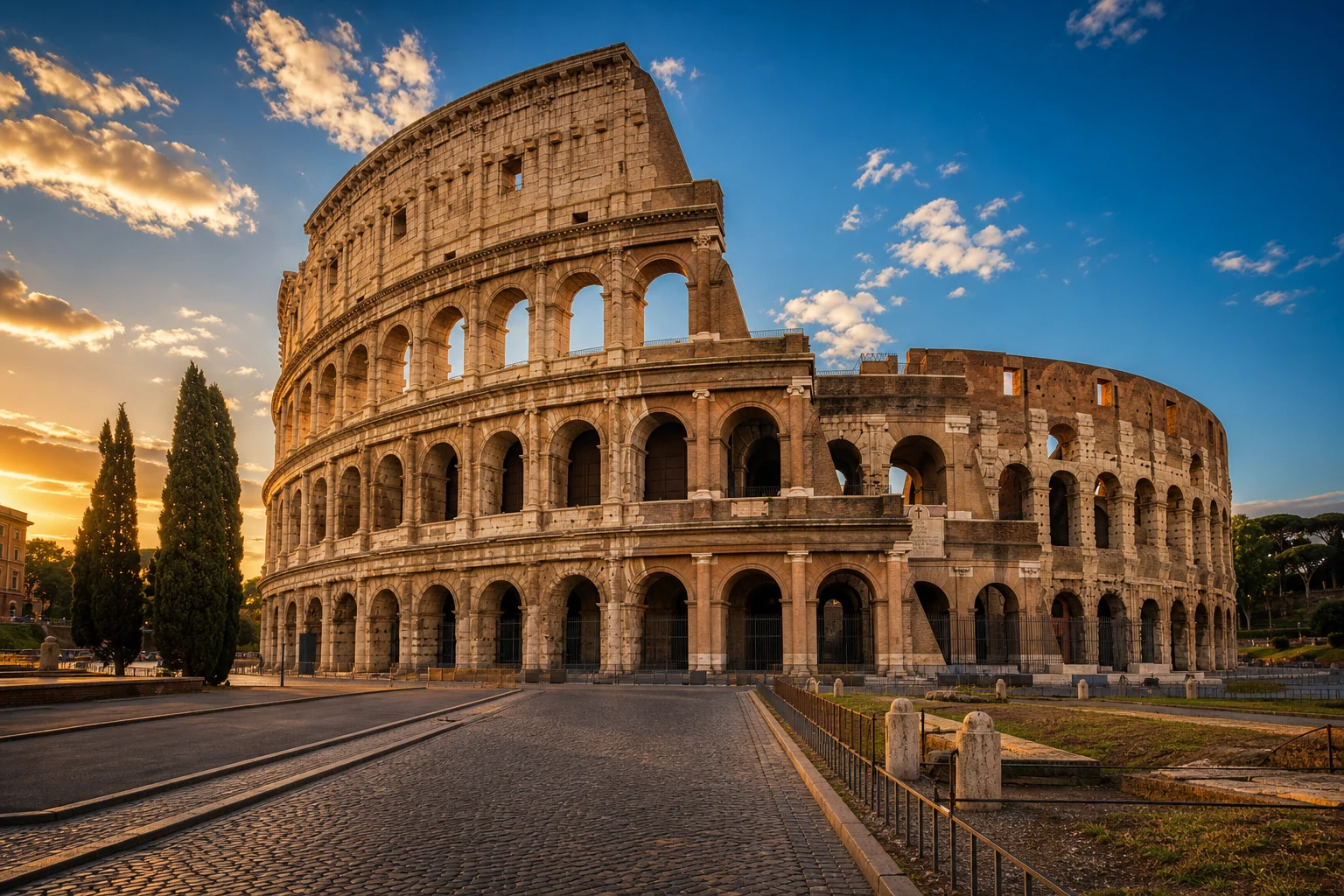
Rome is the November choice for travelers who want the weather to change the rhythm, not the value, of the trip. Rain darkens the cobbles between the Pantheon and Campo de’ Fiori. Churches and palaces become more inviting. A long plate of cacio e pepe in a warm trattoria feels earned rather than like an interruption to a sightseeing campaign.
Give Rome four nights: one ancient-city day, one Vatican-and-Prati day, one Centro Storico and Trastevere day, and one movable block for a museum, the Appian Way, a market, or rain. Florence can improve an eight-night Italy trip. Adding it to four nights creates two abbreviated cities and removes the evening when Rome finally stops feeling like a list of monuments.
Book two headline priorities, not six. The Colosseum and Vatican Museums may deserve timed space; an ordinary church, market, or neighborhood does not need to become another appointment. Rome’s city museums and archaeological sites open free on the first Sunday of each month in 2026, subject to capacity and site-specific rules. The official Rome tourism notice is worth checking, but free admission is a trade: the ticket costs less while demand can make the day less calm.
The most useful November plan is a clear-weather priority and a rain plan that you would be happy to use. Put the Forum or Appian Way into the better forecast. Save a museum, covered market, important church, and long lunch for the wet block. The city is too deep to call that a compromise.
Rome is a weak choice for someone determined to see every famous interior in four days. It becomes an excellent one when two anchors are enough and food, streets, churches, and an unscheduled hour count as the trip.
4. Budapest When Cold Air Makes the Baths Better
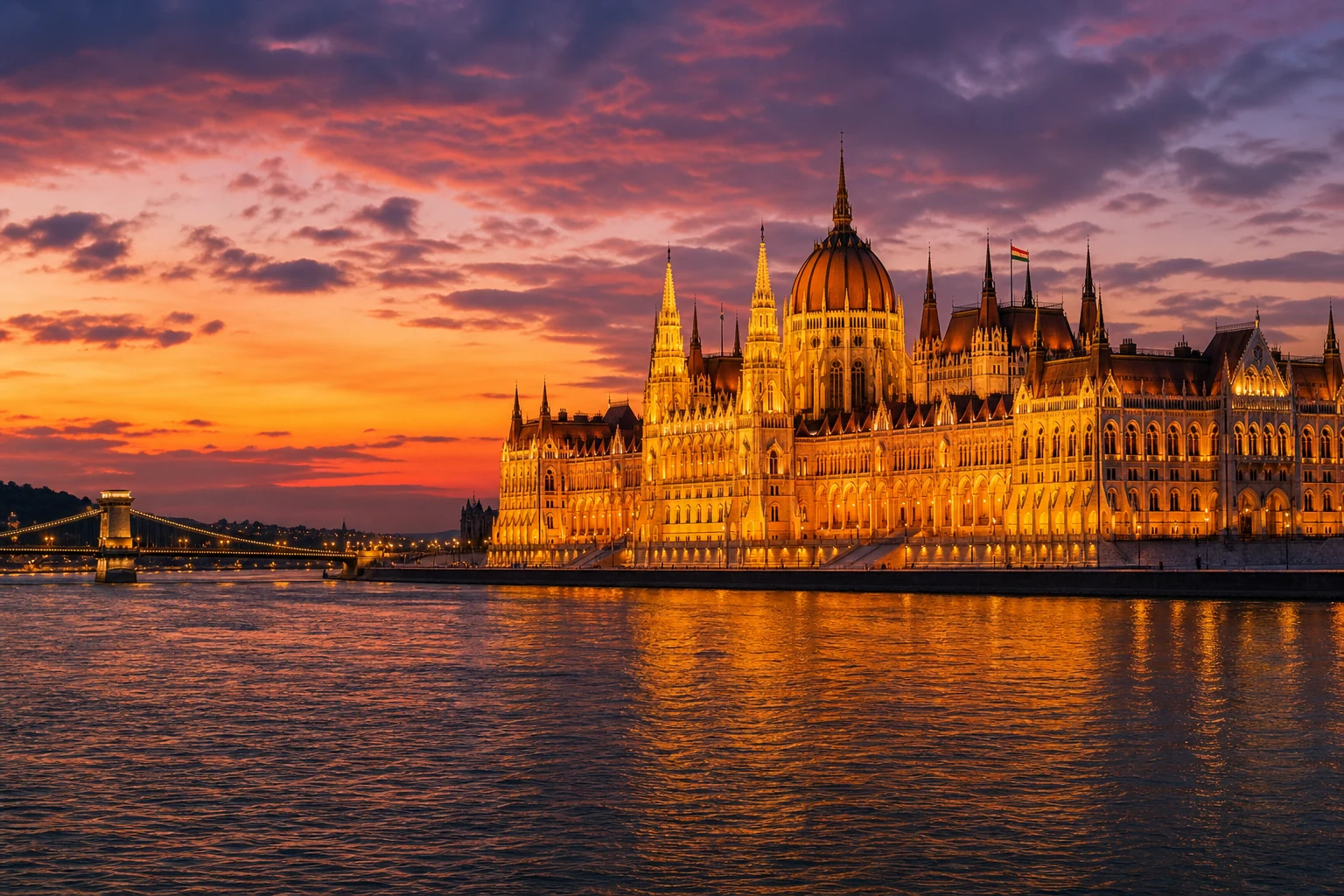
Budapest is the rare destination where a colder morning can improve the signature experience. At Széchenyi, steam lifts from outdoor pools while bare trees frame the yellow bath buildings. The Danube looks sharper after dark, cafés become part of the day’s pacing, and an hour inside hot water feels like a decision rather than a spa errand.
Four nights work well. Separate Buda and Pest rather than crossing the river repeatedly, protect one weekday bath morning, give the Great Market Hall and Danube their own time, and keep evenings for cafés, District VII, or a concert. Vienna makes a strong second base in an eight-night trip. Splitting four nights between the capitals creates two arrivals and no room for a slow bath or a changed forecast.
Go to Széchenyi on a Monday-through-Thursday morning if the schedule allows. The official 2026 price list shows a daily locker ticket at 13,200 forints (€36) on weekdays, 14,800 (€41) on Fridays and weekends, and 15,800 (~€43) on holidays and peak dates. The euro figures use the European Central Bank reference rate checked September 8, 2026; treat them as planning estimates. Bring or buy what the current rules require, keep dry footwear within reach, and remember that the walk from a hot outdoor pool to a towel is the coldest ten seconds of an otherwise excellent morning.
Transport does not require the expensive visitor card by default. BKK currently lists the 24-hour Budapest travelcard at 2,750 forints (€8) and the 72-hour version at 5,750 (€16). Compare those with the attractions you would actually use before buying a bundled card. The current BKK price page is the source to check again near departure.
Budapest’s compromise is temperature. This is not the mild-city choice, and the river wind can make a modest number on a weather app feel much colder. It is for travelers who want the bath, café, and evening atmosphere enough to pack for the gaps between them.
5. Tallinn After November 20 for Early Winter
Tallinn belongs on this list only when early darkness is part of the desired trip. Old Town’s towers and lanes reach blue hour in the afternoon. Kadriorg and Kalamaja add a second layer beyond the medieval center, while museums, black bread, soup, and a warm café turn indoor time into substance. It is atmospheric because the season is assertive, not because November secretly behaves like September.
The date changes the recommendation. Tallinn’s official tourism site lists the 2026 Christmas market from November 20 through January 6, 2027. After November 20, Town Hall Square gains the tree, stalls, lights, and an obvious evening center. Earlier in the month, the city is quieter and less festive. Choose the first half for calm; choose the second for the first Advent atmosphere.
Three nights is enough to earn an Old Town day, a Kalamaja and Telliskivi day, and a Kadriorg or museum day. A Helsinki ferry can improve a week-long Nordic-Baltic route. Inside three nights, it removes the experience that proves Tallinn is more than Town Hall Square and exposes a short trip to November sea conditions.
Pack for winter and refuse the promise of snow. A snowy medieval skyline is possible, photogenic, and useless as a planning guarantee. Cold rain or bare streets remain plausible. The trustworthy booking decision is the date threshold, not a weather fantasy: open the official Tallinn Christmas page, confirm the market dates, and decide whether the event is worth the later, busier stay.
Tallinn is not the broad recommendation for a first November trip. It is the precise recommendation for someone who wants winter to begin early and is content to let museums, food, and darkness carry part of the experience.
6. South Tenerife When Warmth Is Non-Negotiable
Tenerife is the honest answer when a traveler says warmth first and Europe second. A south-coast morning can begin beside dark volcanic sand or a bright pool, while Teide rises into a colder, wind-exposed world above it. That vertical contrast is the island’s strength. It is also why a beach forecast cannot stand in for a mountain forecast.
Stay five nights on the south coast for the strongest sun odds and simplest beach logistics. Two relaxed coast days, one Teide day, one La Laguna or Anaga day, and one weather-flexible or whale-watching day justify the allocation without strain. Puerto de la Cruz becomes a useful second base at seven nights. Moving inside five converts island variety into packing, parking, and checkout time.
The south-versus-north decision is meaningful. The south prioritizes resort convenience, swimming, and sun. The north gives greener landscapes, towns, and more local texture while asking for greater weather tolerance and more driving. Neither is the authentic answer to the other. Pick the base that matches the reason you booked November.
Teide requires its own plan. The peak reaches 3,715 meters, and official guidance notes that bad weather can stop cable-car service. Access to regulated summit trails requires advance booking through Tenerife ON and mandatory equipment. Read the current Teide access guidance before shaping the day, then carry warm layers even if breakfast happened in shorts.
Tenerife’s compromise is urban depth. The island gives better warmth odds than Seville, Rome, or Budapest, but a south-coast base does not deliver the same walk-out-the-door city life. Choose it when sun, swimming, volcanic landscape, and one ambitious mountain day outrank museums and late neighborhood dinners.
Early or Late November Changes the Best Choice
Early November favors the destinations that do not need a festive calendar. Seville remains a complete city break, Madeira’s trip still revolves around trails and adaptable weather, Rome has cultural depth, and Tenerife sells warmth without pretending to be an Advent destination. Budapest works throughout the month because the baths improve as the air cools.
Late November creates one new argument: Tallinn’s market opens November 20. It can also introduce early Christmas programming elsewhere, but that does not automatically improve a trip. A half-built market or provisional calendar is weaker than a destination that already earned the flight. If Christmas markets are the central reason to travel, use the dedicated Europe Christmas markets guide and build around confirmed dates. If November itself is the reason, pick one of these six places for its ordinary days.
The month also darkens as it advances. That matters most in Tallinn and least in Tenerife. It should change the order of a day everywhere: put the landscape, garden, or unfamiliar neighborhood into the usable light, then let museums, baths, dinner, and indoor culture take over. Check sunset for the exact city and date before adding timed entries.
Choose the November You Actually Want
Choose Seville for the best balance of street life, architecture, food, and mild outdoor hours. Reserve the Real Alcázar, give the city four nights, and leave one day able to move with rain. Choose Madeira when two green hiking days are the emotional center; reserve the classified trail and keep the days interchangeable. Choose Rome for art and food, then limit the timed icons to two.
Budapest is the answer when cold air should improve the trip: book a weekday bath morning. Tallinn is the deliberate early-winter choice after November 20, with darkness and uncertain snow accepted rather than hidden. Tenerife is the warmth-first choice, and regulated Teide access is the reservation to solve before committing to the mountain day.
One destination is enough for a short November trip. The month rewards a base that can absorb rain, cloud, or an early sunset without becoming a consolation prize. Pick the experience you still want in imperfect weather, make the reservation that protects it, and let the remaining days stay flexible.