Quick Take
What you should know before you book
Southern Gran Canaria is my warmth-first choice, provided the hotel has a genuinely heated winter pool. Choose Lanzarote for volcanic landscapes between coast days, Málaga for art and outdoor lunches, or Tavira for quiet river and saltpan walks. All four need room for cloud, wind or rain; none should be booked on a promise of warm seawater.
In This Guide
The best winter sun destinations in Europe offer several different kinds of escape between December and February. Southern Gran Canaria suits a holiday built around outdoor warmth and a pool. Lanzarote adds black volcanic landscapes and days worth leaving the hotel for. Málaga puts museums, a fortress and coastal lunches within a proper city break. Tavira offers the slowest version: tiled rooftops, a tidal river and walks beside the Algarve’s saltpans.
My warmth-first recommendation is southern Gran Canaria, with a carefully chosen heated pool. The other three win when something beyond sunbathing matters more. None delivers a dependable European summer in January. A pleasant afternoon, a warm swimming pool and comfortable seawater are separate things, and confusing them is how an appealing winter break becomes an expensive disappointment.
What Winter Warmth Actually Means
Start with the size of the promise. At Gran Canaria Airport, January’s average daily maximum is 20.8°C and its average minimum is 15.0°C. At Málaga Airport, the equivalent figures are 16.8°C and 7.4°C. Those numbers come from AEMET’s Gran Canaria and Málaga station normals for 1981–2010. They describe historical averages at airports, not the forecast for your hotel or the temperature all afternoon.
The difference still matters. Around 21°C can make an exposed terrace inviting in sunshine, while a breeze can send you looking for a jacket. An average high near 17°C is much easier to recommend for walking between sights than for a week beside an unheated pool. Evening comfort changes the holiday too: the clothes and accommodation that work at lunchtime may feel quite different after dark.
The Canary Islands sit off the northwest coast of Africa, although they are Spanish and belong in this European-holiday discussion. That southerly location is part of their appeal. It does not turn the Atlantic into a heated swimming pool. If daily swimming is essential, ask the property which pool is heated, during which months, and to what stated temperature. A photograph of turquoise water answers none of those questions.
I would choose the destination partly by its overcast-day value. A resort needs facilities you genuinely want to use. An island needs excursions that interest you. A city needs enough life indoors and outdoors to make changing plans feel ordinary. This is a better test than counting annual sunshine hours, which tell you little about the particular week you are buying.
Southern Gran Canaria: Put the Pool First
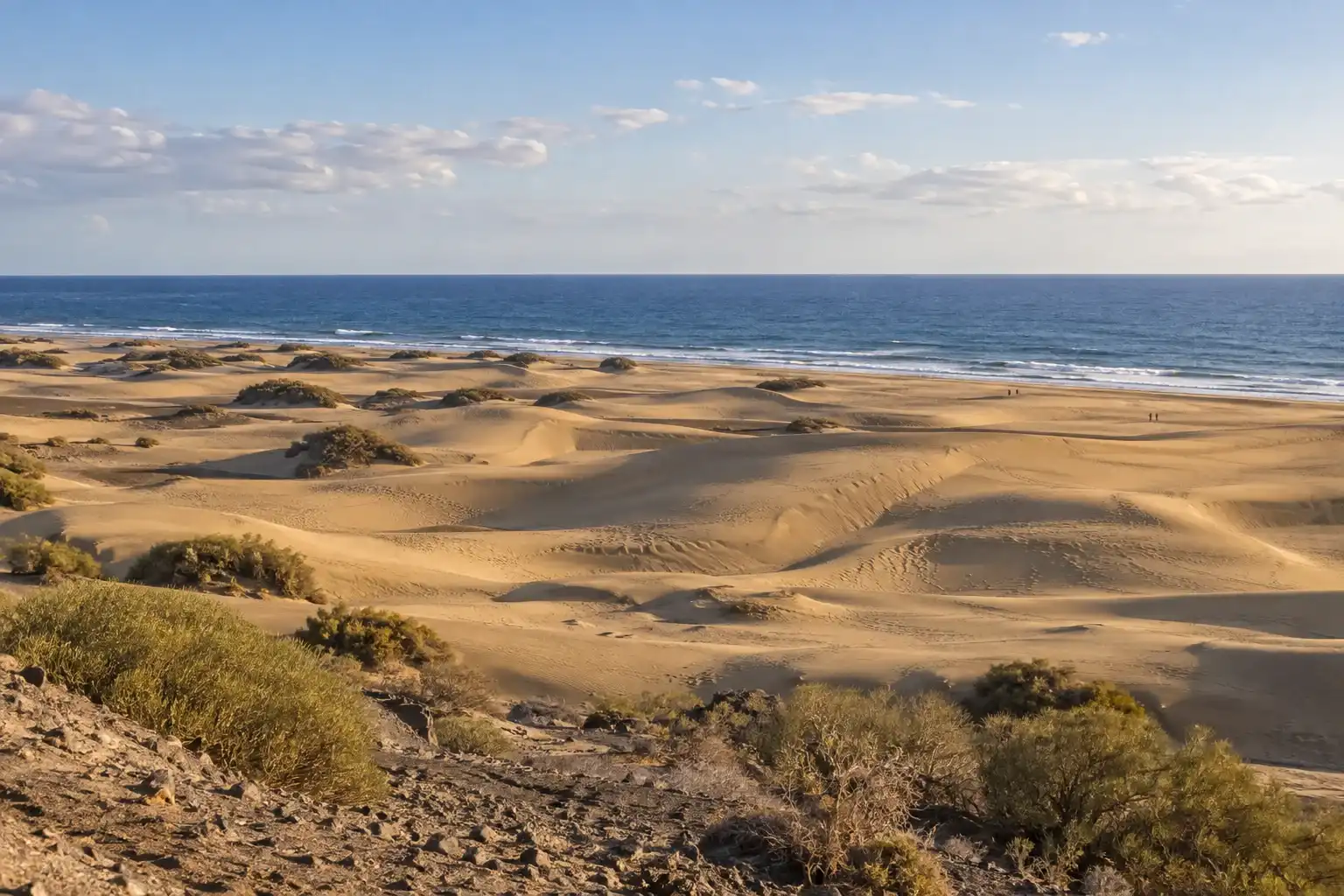
Around Maspalomas and Meloneras, the holiday has a clear shape. The lighthouse marks the meeting of the oceanfront promenade and the dune landscape. Pale sand folds into ridges; the Atlantic supplies the horizon; places to eat give the evening somewhere to go. You can build a satisfying day from a slow breakfast, time outdoors, a walk and dinner without treating the absence of a major sightseeing appointment as a problem.
That is why I would choose this base for a restorative winter break. The official Maspalomas tourism guide makes the resort’s beach, lighthouse and promenade setting clear. Stay close enough to the stretch you want to use that a casual walk remains casual. A lower room rate farther away loses some appeal if every evening starts with arranging transport.
Give the base five nights. Two coast-and-pool days earn their space precisely because they are unhurried. Use another day for the lighthouse, the permitted dune-edge routes and a longer lunch. Keep a day available for an excursion or whatever the weather favors, with the arrival evening reserved for settling in. These are deliberately light days; a reader who wants a full sightseeing schedule should move to the Lanzarote or Málaga recommendation.
A good pool area has more value here than an elaborate bedroom you barely use. Before booking, compare winter heating details, shelter from wind, and where the outdoor seating lies. Ask directly if the listing is vague. I would pay more for a property whose winter facilities match the purpose of the trip, then save on the view category if necessary. Paying a resort premium and discovering that the pool is too cold for your preferences defeats the main reason for choosing this holiday.
The compromise is the resort setting itself. Restaurants and promenades make life easy, but they may not supply the urban texture you hoped for when you pictured Spain. Las Palmas can add a city excursion; moving hotels within this short stay is unlikely to improve the restful rhythm. Decide whether that excursion is interesting before renting a car for days when you mostly intend to stay beside the water.
On the beach, read the local flags and follow the signed routes around the protected landscape. Even a bright photograph says nothing about today’s sea conditions. The pleasure worth buying is time outdoors with a comfortable base to return to, not a guarantee that every swim or every afternoon will work exactly as imagined.
Lanzarote: Follow the Landscape
Lanzarote becomes more persuasive the farther your interests extend beyond a sun lounger. In La Geria, vines grow in hollows in black volcanic ground, with curved stone walls breaking the wind. Low light gives the surface texture and makes the muted greens stand out. The scene is striking without a beach in sight, which is useful on an island holiday whose weather may ask you to change plans.
I would base this trip in Playa Blanca for five nights. Its seafront gives the stay an easy daily rhythm, while the official Lanzarote beach guide distinguishes the small town beach from nearby Playa Dorada. Check the property’s actual position rather than assuming every Playa Blanca address puts dinner and the water a short walk away. A spread-out resort can look compact on a booking thumbnail.
Use the stay for one local coast day, one La Geria outing, one volcanic-landscape excursion and a flexible day for the beach, culture or a changed forecast. Arrival evening supplies the first waterfront walk. Five nights let the inland and coastal days change order without adding another hotel move. I would keep the same base throughout; the reward is being able to respond to the weather, not accumulating check-in desks.
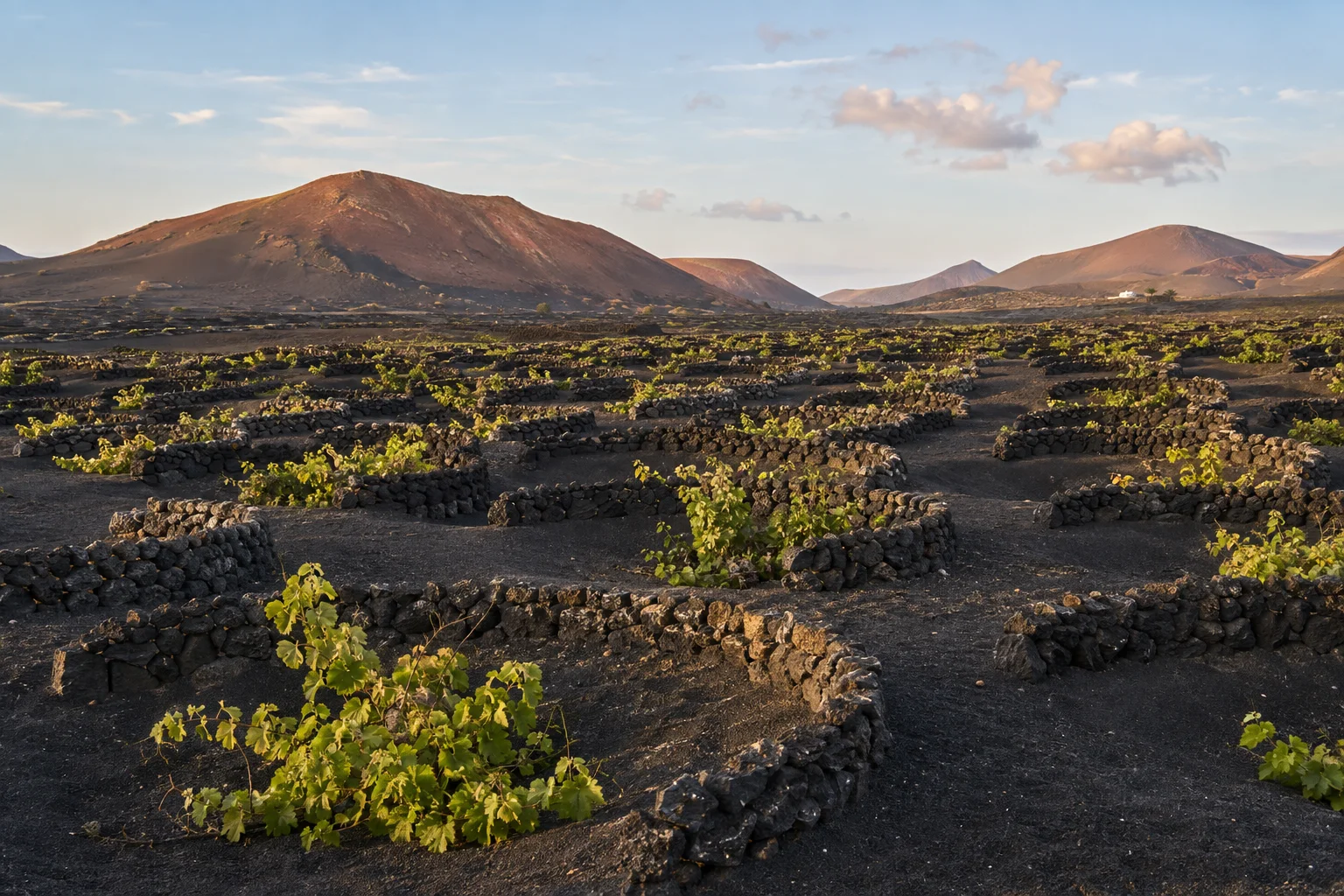
The tourism board’s winter guide connects the season with local food, wine country and wind-conscious beach choices. Build a landscape day around those things: a look at the cultivation methods, a winery visit arranged in advance, then a meal with papas and mojo or local fish. Winter is not the grape harvest, and the agricultural landscape is interesting without pretending you will see picking underway.
Transport is the cost to settle early. Price the particular excursions you want against a limited car rental, including the collection arrangements and parking at the hotel. A car offers freedom to change the order of stops; an organized outing removes driving from a wine-focused day. Those are different benefits. Neither justifies renting for every day by reflex, especially if half the stay is meant to be spent locally.
Lanzarote is my choice when wind would change the plan without ruining it. You can move a beach afternoon and still have a landscape worth exploring. Someone whose entire brief is stillness beside a reliably comfortable pool should compare properties in southern Gran Canaria first. Here, the extra value lies in the island outside the hotel gates, and the itinerary should leave enough time and money to reach it.
Málaga: Let the City Carry the Trip
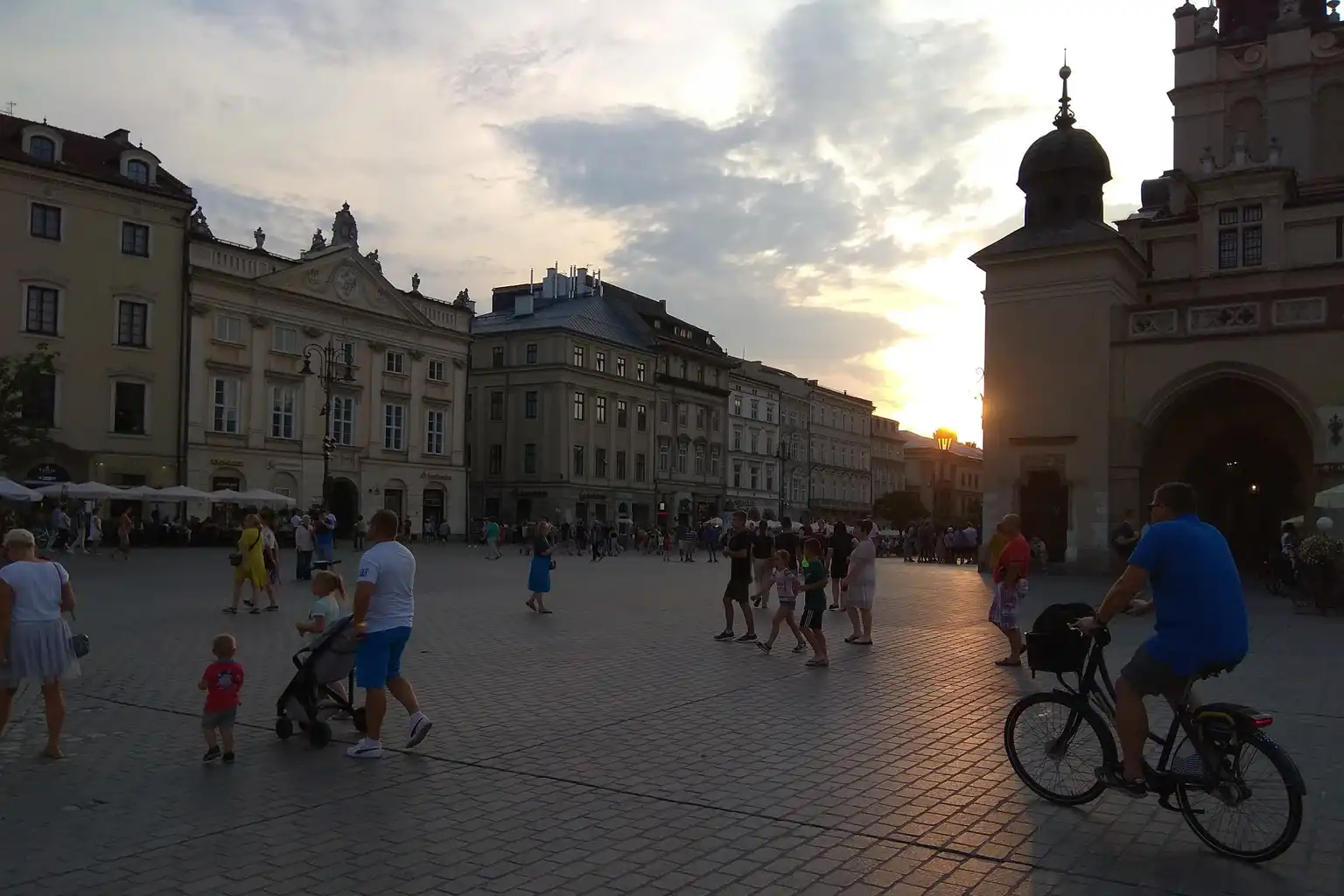
Málaga is the strongest choice here for a traveler who wants a city with a coast rather than a resort with an optional city excursion. The Alcazaba rises above the Roman Theatre; the port opens out beyond the streets; art museums give a grey afternoon a purpose. A clear spell can become a waterfront walk without requiring the whole day to have been planned around the forecast.
I would stay centrally for four nights. That gives you an arrival evening and three full days: one around the Alcazaba and old town, one combining a museum with the port, and one slower coastal day that can move around the weather. You do not need to turn each into a dawn-to-dinner sightseeing campaign. The ability to linger over lunch, return for a layer and go out again is part of what a central base buys.
Spain’s official Málaga guide identifies the city’s useful range: the Alcazaba and Gibralfaro, the Picasso and Carmen Thyssen museums, the Pompidou Centre, and the port promenade. Choose the art that genuinely interests you rather than reserving every institution as insurance against rain. An indoor afternoon works best when it is something you wanted to do anyway.
The weather compromise deserves plain language. AEMET’s historical January normal includes 69 mm of rainfall, alongside that average daily maximum of 16.8°C. These are monthly station statistics, so they cannot tell you which day to put a museum on the calendar. They do tell you that waterproof outerwear and an appealing indoor plan belong in the holiday. A sunny table at lunch should be treated as a pleasure, not a contract.
The evening is another reason to choose accommodation for more than its balcony photograph. Check heating and read recent winter reviews where available. Cool nights are manageable when the room is comfortable and dinner is nearby. They become more annoying in a property selected solely for a summer-looking pool area, especially if a coastal location means paying for transport whenever you want city life.
I would spend the accommodation budget on a good central location before paying for resort facilities. That choice allows the weather to change without taking your whole day with it. A distant coastal bargain can still work if quiet is the purpose; it is a poor substitute for Málaga when museums, streets and spontaneous meals are what attracted you.
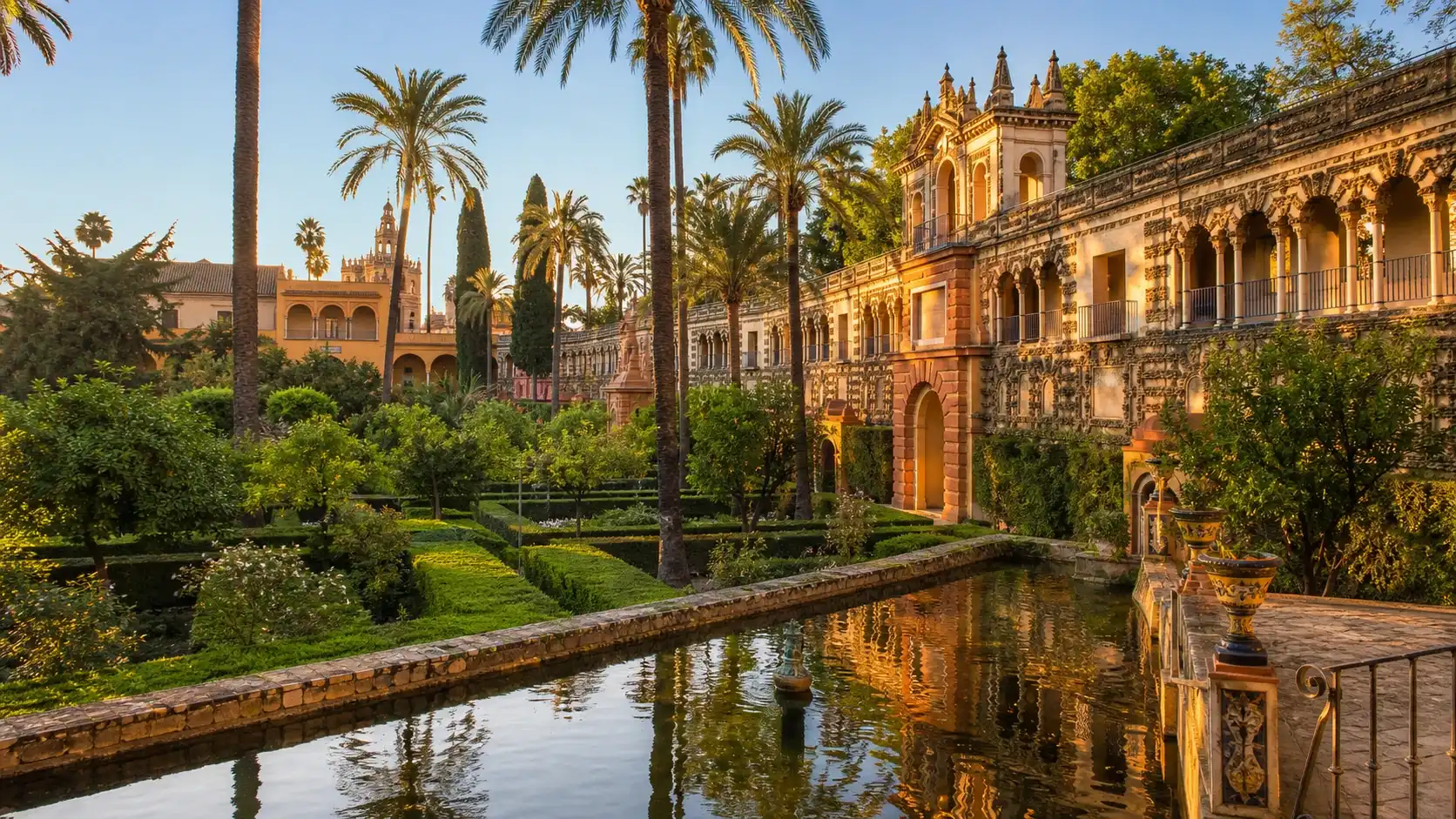
Keep the wider Andalusia circuit for another, longer journey. Adding a hotel move inside these four nights removes the slow day that makes this city break resilient. If grand inland architecture matters more than having the sea nearby, compare the Seville guide before choosing. Málaga earns its place through the combination: enough culture to fill the stay, with the waterfront always available when the light improves.
Tavira: Make Room for Quiet
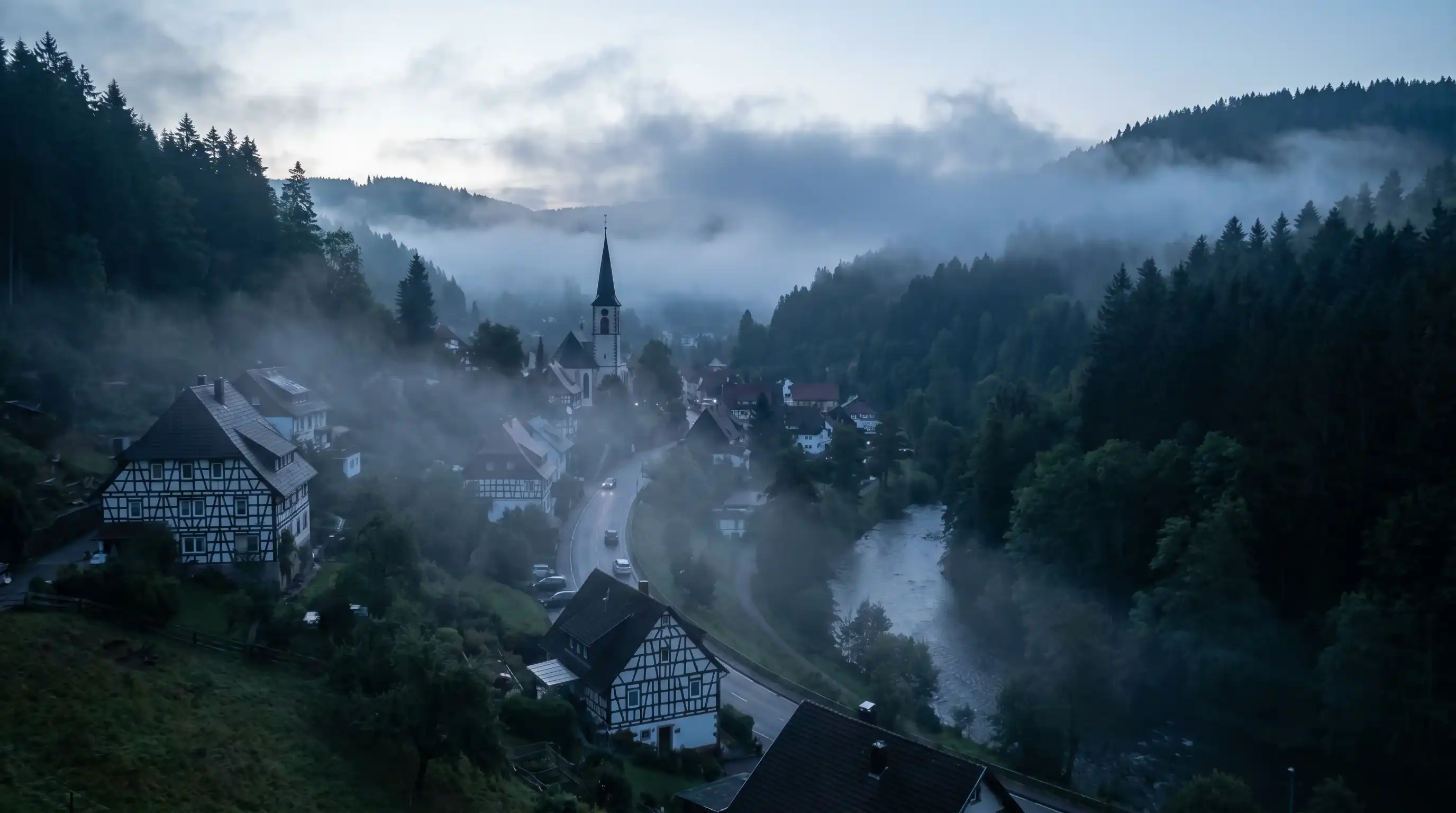
Tavira asks for a different appetite. White façades and tiled roofs sit above the Gilão, and the river gives even a short walk a sense of space. Beyond the town, saltpans and the Ria Formosa replace the spectacle of a resort pool with birds, water and a wider sky. The appeal is a day that has room in it. If that sounds like too little happening, Málaga is a better match.
Choose central Tavira for four nights. Spend a full day on the town, its viewpoints and the river; another on the saltpan and Ria Formosa landscape; and keep the third for Barril or a nearby coastal outing when conditions suit. Arrival evening belongs to a riverside walk and dinner. This allocation assumes you enjoy slow lunches and unfilled hours. It is not an argument that Tavira has four days of headline attractions to tick off.
Portugal’s official Tavira walking guide connects the town with the surrounding saltpans and lagoon environment. Those surroundings help explain why the eastern Algarve makes sense for this particular winter trip. Choose a walk according to access, ground conditions and the day’s forecast rather than promising yourself a particular bird sighting or sunset. The landscape supplies the interest even when the light is softer than the brochure suggested.
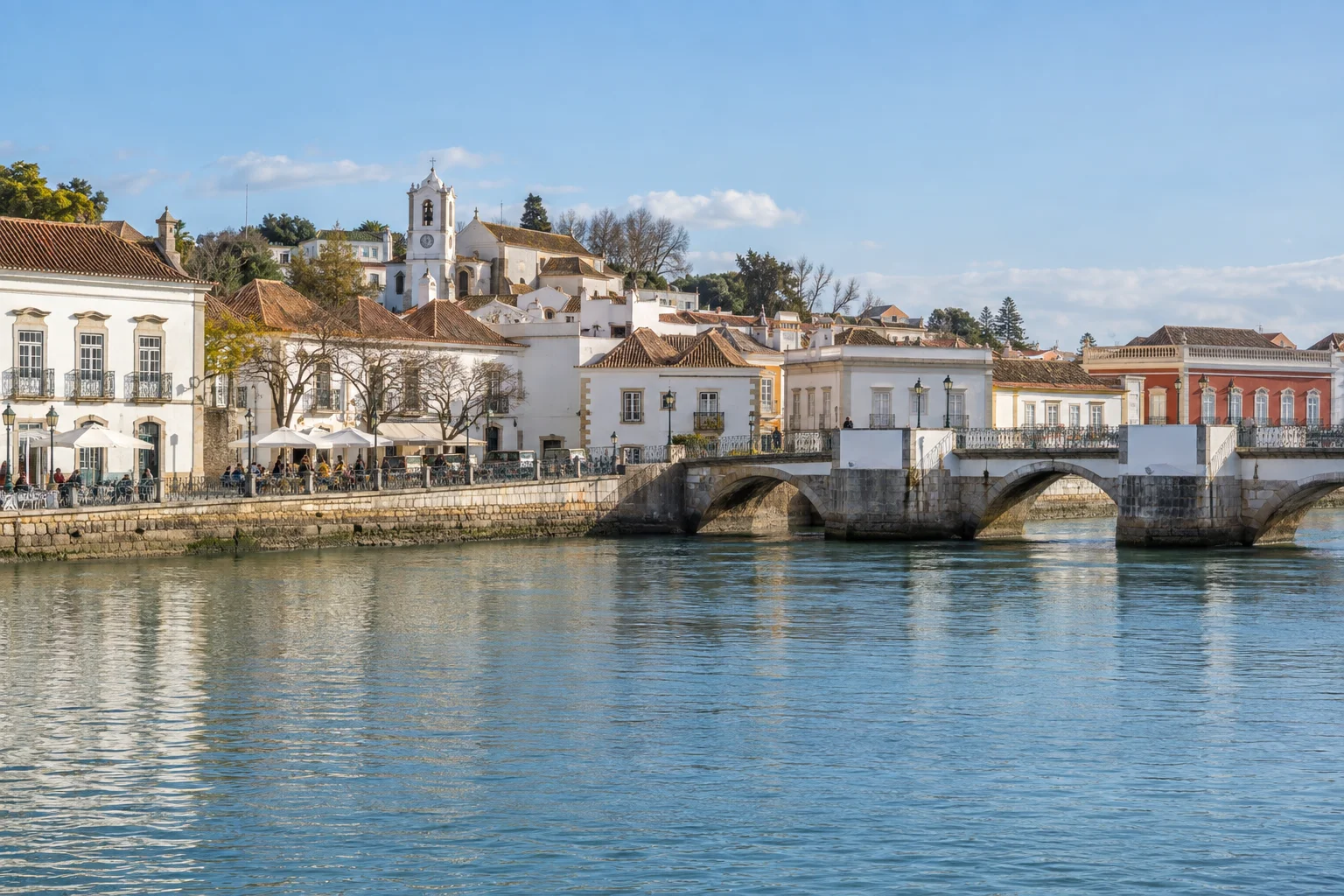
Beach access needs its own check. The official Praia do Barril page describes its mainland connection, while other island-beach journeys can involve boats. Verify the current winter service for the exact route you intend to use; a summer timetable is not evidence that a January departure exists. Make the beach a possible walk, not the one indispensable experience holding the holiday together.
A town address is worth more to this plan than proximity to a summer beach transfer. Confirm that the accommodation has suitable heating and that the restaurants you are counting on open during your dates. That is a modest amount of homework, but it protects the simple pleasures this trip is built around. A beautiful isolated property with limited nearby dining can make a quiet stay feel inconvenient rather than peaceful.
I would choose Tavira for walking, reading, unhurried meals and the satisfaction of returning to a familiar stretch of river. I would not choose it to escape every cool day, guarantee swimming, or keep children occupied through a full resort entertainment program. Another hotel base would consume the rhythm being recommended. A weather-appropriate day outing gives enough variety without turning the stay into a driving route.
Pay for the Winter You Actually Want
Winter is not automatically the cheap season for a sun-seeking holiday. Compare your actual dates, especially around Christmas, New Year and school breaks, rather than assuming an off-season label guarantees value. Add the flight, luggage, transfers, accommodation and the transport your chosen experience needs. A cheaper Lanzarote room may leave more money for outings; a cheaper Málaga address may spend the saving on repeated journeys into town.
Flight times matter on a short stay. Count full usable days before deciding that two similarly priced packages offer the same holiday. The stay lengths above assume arrival edges and several complete days, not that a late flight magically supplies an extra afternoon. Use the Europe trip budget guide to compare complete trips rather than the most attractive headline rate.
Finally, ask what you would enjoy if tomorrow were cloudy. If the answer is a heated pool and a comfortable resort, check those details before paying. If it is a volcanic landscape, an art museum or a river-town lunch, give that experience space in the plan. The right winter escape is the one whose ordinary day still appeals when the sky stops performing.