Quick Take
What you should know before you book
Lisbon is still one of Western Europe's more rewarding first-timer capitals, but it is no longer a cheap secret. I would stay in Chiado, Baixa, or Principe Real, use the Metro from the airport, treat Tram 28 as a scenic ride rather than practical transport, and pair Lisbon with Porto only if you have enough time to give both cities room.
- Airport to center: Metro Red Line plus a connection is usually the best-value move; a Carris/Metro single fare is €1.90, and a 24-hour Carris/Metro pass is €7.25.
- Historic tram reality: on-board tram tickets cost €3.30, so Tram 28 makes more sense with an included transit pass or as one planned scenic ride.
- Best first-timer bases: Chiado or Baixa for convenience, Principe Real for a calmer return-trip feel, Alfama only if stairs and luggage are not an issue.
- Day-trip priority: Sintra is worth a full day, but pick 2 major sights instead of trying to collect every palace.
In This Guide
Lisbon does something very few European capitals manage: it feels genuinely lived-in. Not curated for Instagram, not hollowed out by chain restaurants, not a museum of itself. Walking uphill through Alfama with no particular destination, you pass women hanging laundry out of azulejo-tiled windows, a fado singer rehearsing through an open door, and a cat that has clearly made a particular doorstep its territorial claim for years. It is specific in a way that Paris or Amsterdam, for all their considerable qualities, rarely are anymore.
The problem is that most Lisbon travel content is terrible. You get the same twelve things repeated in a different order: the Jeronimos Monastery, Tram 28, pasteis de nata at Pasteis de Belem, Bairro Alto for nightlife. All broadly correct, none of it especially useful. So here is what I would actually tell someone going for the first time.
Why Lisbon, Why Now
Lisbon is still one of the more affordable Western European capitals, though it has been closing the gap with its neighbors for the past decade. A realistic mid-range daily budget runs around €95-150 per person once you include accommodation, meals, transport, and one or two paid attractions. A tighter budget is very achievable at roughly €60-85 if you are happy with a hostel dorm, local restaurants, and mostly free sights.
May and June are the sweet spot before peak summer crowds descend and prices jump. The weather usually sits around 20-24C with long evenings. By July and August, temperatures push into the mid-30s, the miradouros are shoulder-to-shoulder, and hotel prices can run 40-50% higher. If you can go in May, go in May.
The important update is that Lisbon is not the bargain-capital story it used to be. The city can still be good value, but only if you make a few deliberate choices: stay somewhere practical instead of photogenic-at-all-costs, use public transport when the hills get annoying, and treat the most famous experiences as optional rather than compulsory.
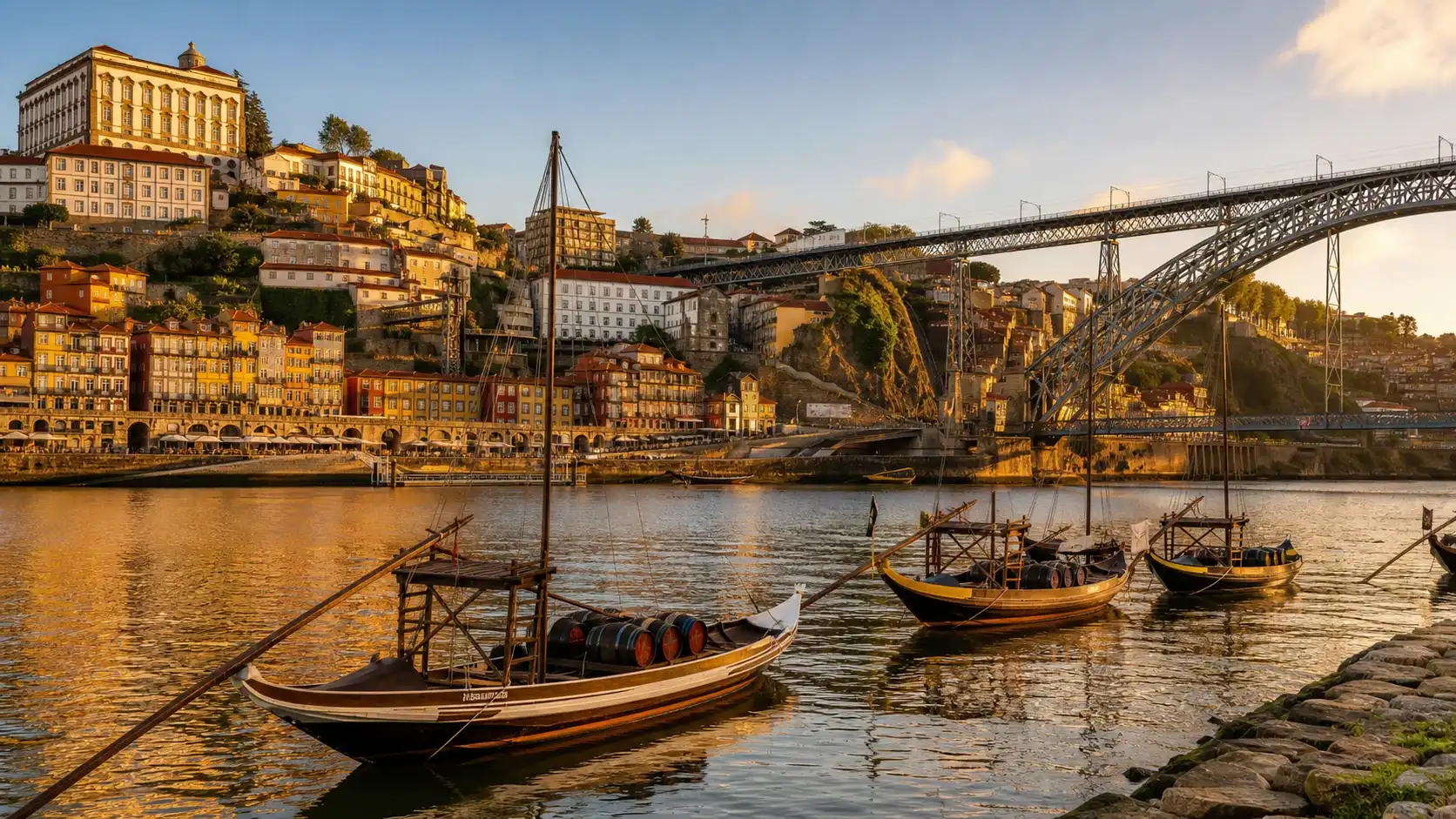
If you are planning a wider Portugal trip, Lisbon pairs naturally with Porto. Just do not rush it. I would rather spend 4 nights in Lisbon and 3 in Porto than try to turn both cities into a 5-day highlight reel.
Getting There and Around
Getting there from most of Europe is straightforward. TAP, Ryanair, easyJet, and Vueling all serve Lisbon Humberto Delgado Airport, often at competitive fares. If you are arriving from elsewhere in Portugal or Spain, compare rail before defaulting to a short flight; the broader train-versus-plane logic in this guide to traveling Europe by train applies here too.
From the airport to the city center, the practical move is still the Metro Red Line. You will usually connect at Alameda or Sao Sebastiao depending on where you are staying. A Carris/Metro single fare is now €1.90, and the reusable Navegante occasional card adds a small first-purchase cost. If you know you will ride several times the same day, the 24-hour Carris/Metro pass costs €7.25 and covers the normal metro, bus, tram, funicular, and lift network inside the included operator rules.
Contactless bank-card payments are also available on the Metro, which is useful if you want the least friction on arrival. I would still buy/load a Navegante card if you plan to use trams, buses, or day passes, because Lisbon’s useful transport is not just the Metro.
Do not use the drivers who approach you in arrivals. Take a licensed taxi from the queue, order a ride-hailing car, or use the Metro. Lisbon Airport is close enough to the city that paying for convenience can be reasonable with luggage, but it should be a choice, not a panic move.
Inside Lisbon, expect a mix of walking, Metro, trams, buses, and the occasional ride-hailing car when the hills or late-night timing make transit annoying. The center is walkable on a map and less walkable on your calves. Alfama, Graca, Bairro Alto, and parts of Principe Real all make you earn the views.
Neighborhoods: Where to Actually Stay
Most guides tell you to stay in Alfama or Bairro Alto because they sound romantic. Both are lovely to visit. Neither is where I would send a first-timer to sleep.
Alfama is Lisbon’s oldest and most atmospheric neighborhood: medieval street layout, miradouros with river views, and fado drifting out of restaurants in the evening. It is also a pain with luggage. Cars cannot reach much of it, the streets are steep and cobbled, and delivery drivers give up halfway. If mobility is no concern and you pack light, staying here can be magical. If not, enjoy it during the day and sleep somewhere flatter.
Chiado and Baixa are the best base for most first-timers. Chiado is elegant and central, with independent bookshops, good cafes, tiled facades, and easy walking access to everything that matters. Baixa is the flat commercial grid below it, practical and well connected. Expect €110-200 per night for a decent private room depending on season, and more on peak weekends.
Principe Real is what I would pick on a return visit. It is quieter, more residential, and full of very good restaurants, with a weekend antiques market in the garden square. It is a little less central than Chiado but much calmer. Budget roughly €120-220 per night for a strong guesthouse or small hotel.

Bairro Alto only makes sense if nightlife is the main point of your trip. The bars are lively, the streets stay loud until around 3am, and sleep is optional.
Book Your Lisbon Hotel
Booking.com has the best Lisbon coverage across all budgets. Filter for Chiado or Baixa if you want the most practical first-timer base, and book at least a few weeks ahead for May.
What to Do (and What to Skip)
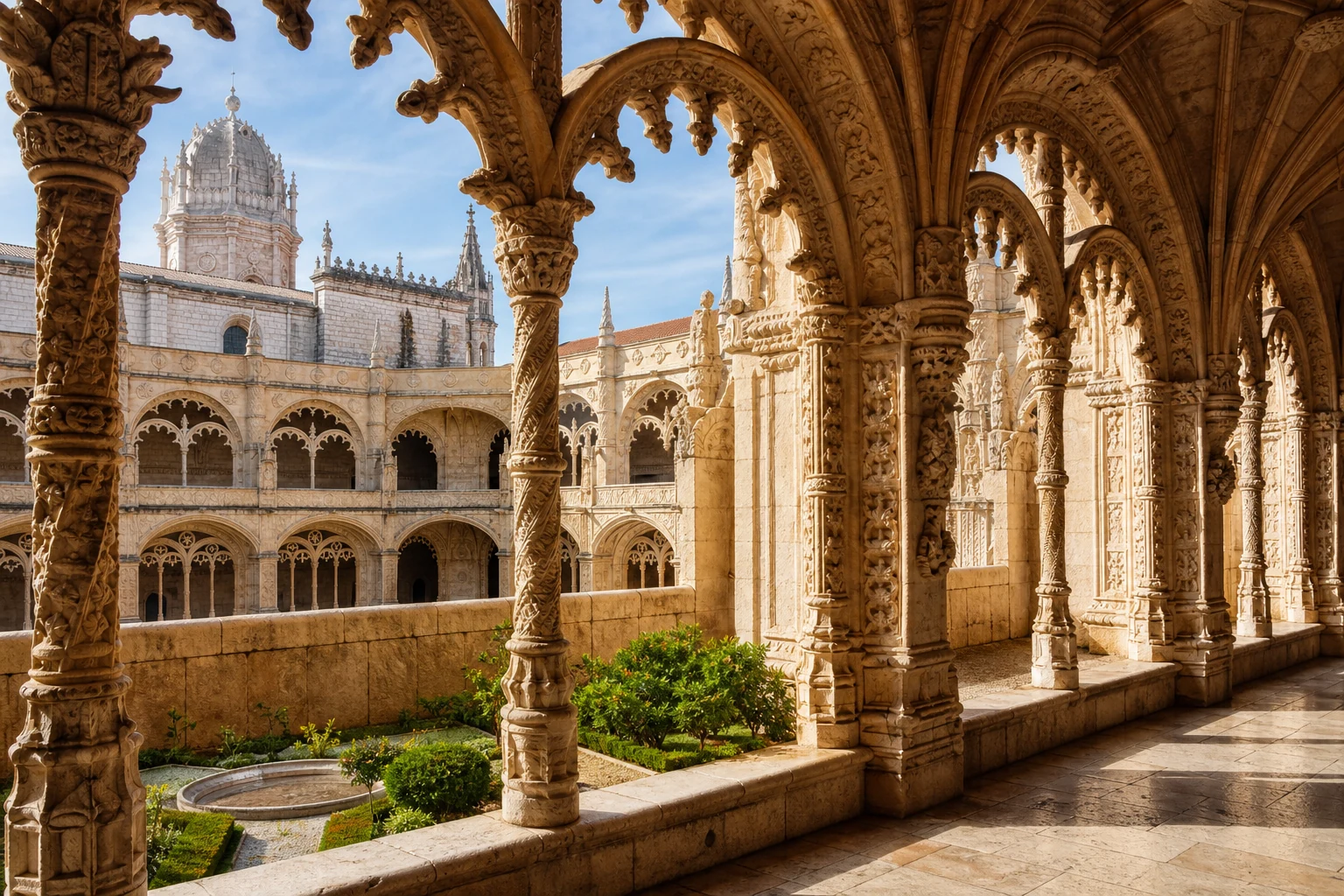
The Jeronimos Monastery in Belem is the one attraction I would call essential. It is one of the finest examples of Manueline architecture anywhere: late-Gothic stone carved to resemble rope, coral, rigging, and Portugal’s age-of-discovery self-image at full volume. Standard adult entry has moved well beyond the old €10 era, so check the official ticket page before you lock the day. Go at opening, around 9am, and you will buy yourself at least an hour before the tour groups arrive.
The Belem Tower is directly nearby and worth seeing from the outside. The interior is fine, but the reason to come here is the riverside walk, the calmer pace, and the fact that you are within striking distance of a very specific pastry stop.
Sao Jorge Castle gives you panoramic views over Lisbon and the Tagus. The view is the main event, not the castle itself, which is mostly ruins and a modest museum. If you are being budget-conscious, Miradouro da Graca gives you almost the same perspective for free and without the queue.
The National Tile Museum is one of the best museums in Portugal and still gets less attention than it deserves. It walks through the history of Portuguese azulejo tile-making from the 15th century onward, and it does it inside a former convent with its own tiled chapel. Give it 90 focused minutes and you come away understanding something real about the country.
Skip: the Santa Justa Lift queue. The cast-iron elevator is beautiful. It is also now €6.20 for a ride that saves you maybe 4 minutes of walking. Take the stairs, look at the lift, photograph the lift, and keep your money.
On Tram 28
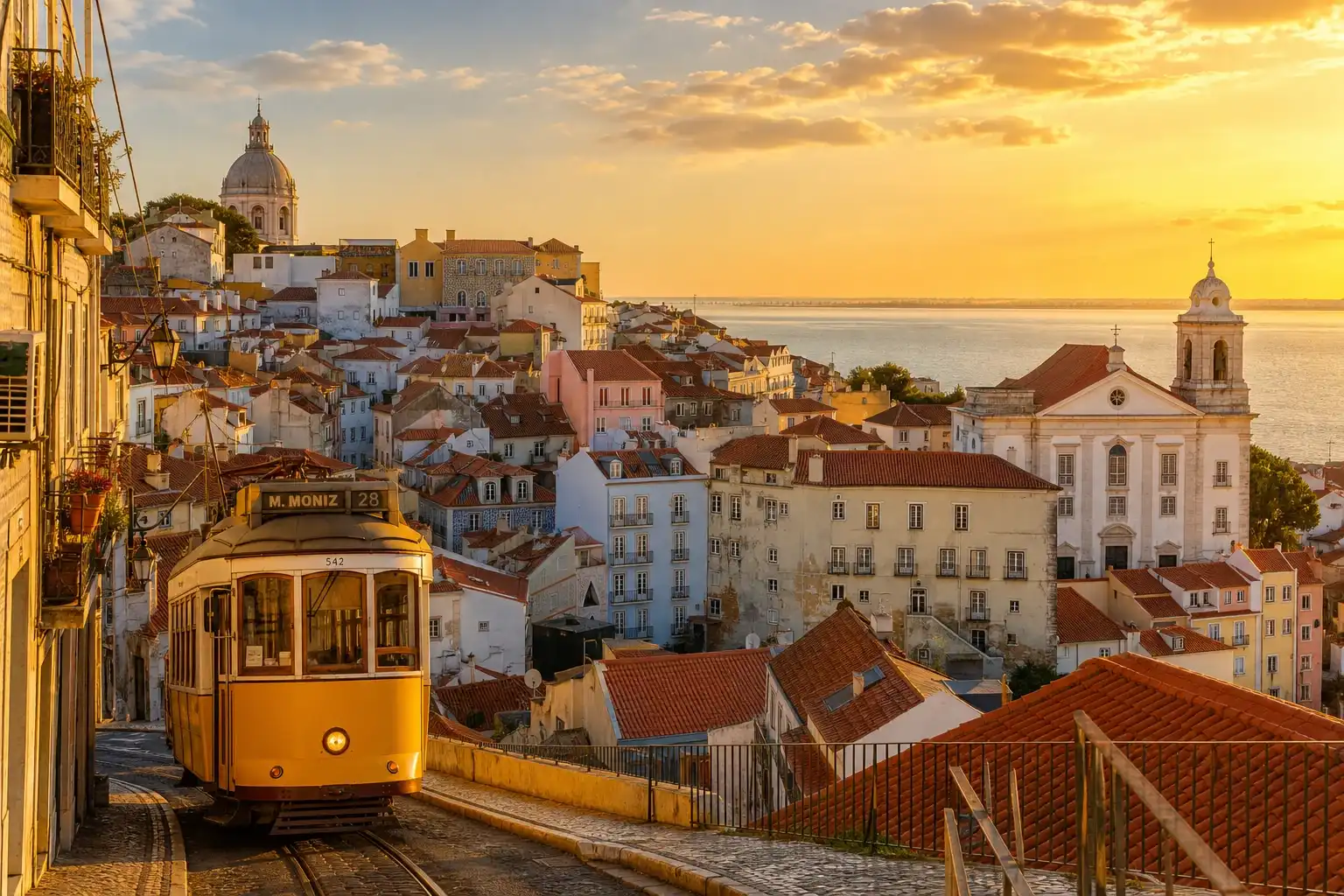
Tram 28 is listed in every Lisbon guide as a quintessential experience. The tram itself is genuinely charming: narrow, old, wooden, and absurdly determined on hills that should embarrass it. The route through Alfama and up into Graca is scenic. The problem is the version of the experience most tourists actually get, which is waiting 45-90 minutes in a queue to stand crushed into an un-air-conditioned carriage while a pickpocket works their way through the aisle.
My honest advice is simple: board at Campo de Ourique, the western terminus, before 9am or on a weekday afternoon. At either end of the line, you have a chance of getting a seat. Martim Moniz is where the misery starts. A single on-board tram ticket costs €3.30. The €7.25 24-hour Carris/Metro pass is a much better value if you are moving around the city anyway.
"Lisbon feels genuinely lived-in. Not curated for Instagram, not hollowed out by chain restaurants, not a museum of itself."
What to Eat in Lisbon
Portuguese food rewards specificity. The things worth knowing:
- Pastel de nata: yes, you should eat them. Pasteis de Belem is the famous original and still very good, but my actual pick is Pastelaria de Santo Antonio in Alfama. Manteigaria in Chiado is the cleaner central option if you do not want the Belem queue.
- Bacalhau: salted cod in one of Portugal’s endless variations. Bacalhau a Bras is the easiest place to start: shredded cod, eggs, onions, and fried potato strips.
- Bifanas: one of Portugal’s best street foods. Pork marinated in wine and paprika, stuffed into a roll, usually for €3-5.
- Tasca lunch menus: this is where Lisbon becomes very good value. Small neighborhood restaurants often do soup or starter plus a main for €10-15. Look for handwritten menus and avoid places with food photos or someone trying to wave you in from the street.
- Time Out Market Lisboa: worth one visit if you want range in one place, but do not mistake it for the best-value meal in the city. It is good and tourist-priced.
The couvert that appears at your table is not free in Portugal. Bread, butter, olives, and cheese are charged separately unless you send them back untouched, which you absolutely can.
Day Trips: Sintra is Worth It
Sintra is about 40 minutes from Rossio station by direct train and absolutely worth the effort. The town sits inside a UNESCO-listed landscape of forested hills and theatrical palaces, the most famous being Pena Palace, Quinta da Regaleira, and the Moorish Castle ruins. You cannot do all three properly in one day without turning the trip into a checklist. Pick 2 and do them well.
Go on a weekday if at all possible. A summer weekend in Sintra is crowded enough to make you question your own planning. A Tuesday in May is beautiful.
Cascais is the calmer alternative: 40 minutes west by train, dignified coastal-town energy, good seafood, and an Atlantic reset after Lisbon’s hills. It makes a strong half-day if you want a different texture rather than another palace circuit.
3-Day Lisbon Itinerary
- Day 1 — Belem and the waterfront: Jeronimos at opening, a walk to the Belem Tower, lunch on Rua de Belem, then either walk the river back east or take Tram 15E.
- Day 2 — Alfama and the hills: coffee in Baixa, then up through Alfama for viewpoints, castle or Graca, lunch at a tasca, flea market if it is Tuesday or Saturday, and fado in the evening if you book ahead.
- Day 3 — Sintra: first train from Rossio, Pena Palace first, Quinta da Regaleira second, then back to Lisbon for a final dinner in Principe Real or Cais do Sodre.
If you have 5-7 days in Portugal, add Porto instead of trying to stretch Lisbon with filler. The Lisbon-to-Porto rail link is one of the cleanest city-pair moves in Portugal, and Porto gives you a different pace rather than more of the same.
Practical Info
- Currency: Euro. Cards are widely accepted, but small tascas and market stalls still make cash useful.
- Language: Portuguese. English is common in tourist-facing parts of Lisbon, but a basic obrigado or obrigada still goes a long way.
- Getting around: buy/load a Navegante occasional card at a Metro station if you want normal tickets or a 24-hour pass. The Metro is efficient, and Uber or Bolt is often cheaper than a taxi rank.
- Airport: the Metro Red Line is the best-value move from the airport into the city. Buy the transit card before you do anything else.
- Best time to visit: May and June if you can manage it; September and October are the close second.
- Safety: Lisbon is safe overall, but pickpocketing is real on Tram 28, at major viewpoints, and around Rossio.
- Lisbon Card: worth it only if your paid-attraction math actually supports it. Most short visits do not justify it over a normal transit pass and individual tickets, especially if you are not stacking museums.
Tours & Experiences in Lisbon
GetYourGuide has the cleanest Lisbon selection for fado dinners, Sintra day trips, tuk-tuk rides, and food tours. Book the good fado nights early if you are traveling on a weekend.