Quick Take
What you should know before you book
Porto is one of the better-value city breaks in Western Europe, but only if you keep the waterfront in perspective. I would sleep in Cedofeita or Bonfim, use the metro from the airport, pick one wine lodge instead of three, and save your money for meals and an extra day.
- Airport to center: Metro Line E from the airport uses a Z4 ticket at €2.30, plus the reusable Andante Azul card at €0.60 on first purchase.
- Transit passes: Andante Tour 1 costs €7.75 for 24 hours; Andante Tour 3 costs €16.55 for 72 hours.
- Headline attractions: Livraria Lello tickets start at €10 and are deductible against a book purchase; the Clérigos day ticket is €10.
- Best-value stay areas: Cedofeita and Bonfim for balance, Aliados for convenience, Ribeira only if you knowingly want the premium.
In This Guide
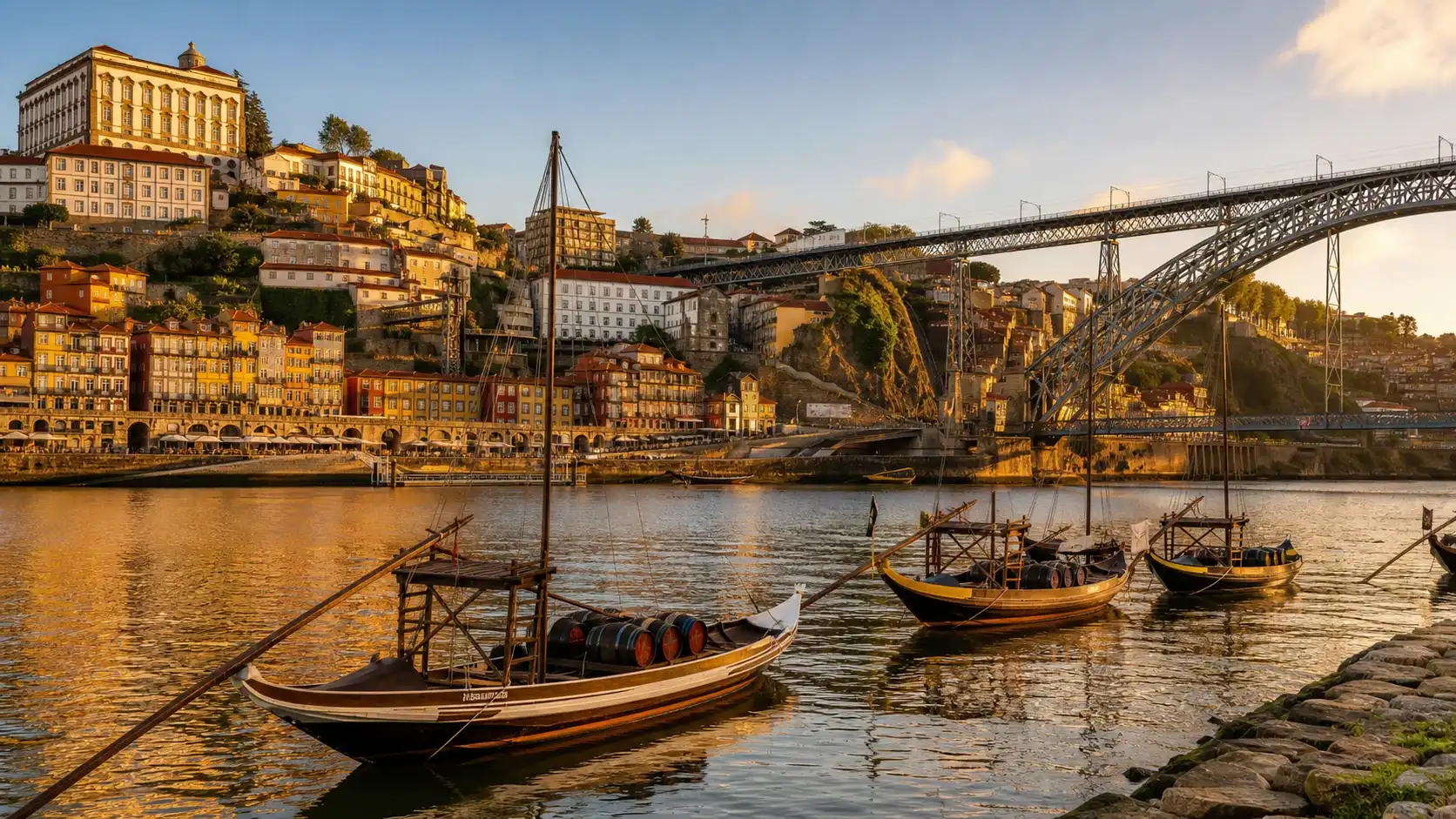
Porto is one of those cities that becomes easier to like the more honest you are about it. Yes, the Ribeira is photogenic. Yes, the bridge views are excellent. Yes, the wine lodges across the river are worth your time. But Porto is not magic because every square meter is perfect. It is good because the city still lets you build a trip around real neighborhoods, reasonably priced meals, and a scale that favors walking over constant transport decisions.
That matters because a lot of Porto coverage drifts toward aesthetic tourism. You get the same five postcard spots, a mention of the bookstore, a generic line about port wine, and not much help with the decisions that actually shape the trip. Where should you sleep if you want charm without noise? Which paid sights are worth it? How much of the waterfront should you treat as scenery rather than as your dining plan?
If you are pairing Porto with Lisbon, I would think of Porto as the calmer, more compact half of the Portugal trip. Lisbon is bigger, broader, and more varied. Porto is tighter, steeper, and easier to enjoy in two to four days if you stop trying to check every box.
Getting There
Porto Airport is one of the cleaner European airport arrivals, and the official pricing is still part of why the city feels good value.
The practical move is Metro Line E from the airport. According to Metro do Porto’s 2026 fare table, the airport run uses a Z4 ticket at €2.30, and the reusable Andante Azul card costs €0.60 the first time you buy it. That means the first trip into town is €2.90 total, which is still excellent value by Western European airport standards.
If you are doing several rides in a day or bouncing around more widely, the official Andante Tour 1 costs €7.75 for 24 consecutive hours and Andante Tour 3 costs €16.55 for 72 hours. For most first-timers staying central, that pass is useful mainly if you are combining airport transfers with extra transit-heavy days.
Porto also works well by rail. If you are linking cities across Iberia or building a longer Europe route, Porto is the kind of place where trains often make more sense than short flights once you factor in airport friction. The wider logic is the same as in this guide to traveling Europe by train: stay on strong rail corridors where possible, and use flights where the time savings are real rather than theoretical.
Getting Around
Porto is extremely walkable in the sense that you can reach a lot on foot. It is not easy in the sense that your legs will agree with that statement.
The city is built on slopes, and the terrain is part of the experience. The postcard views exist because streets climb and fall hard. That is great for perspective and less great when you have overestimated how many “quick detours” you want in one day.
The metro is useful for airport transfers, reaching outlying districts, and reducing one or two climbs. The official Andante system works across Metro do Porto, STCP, and some other operators in the metropolitan area, and you must validate before travel and again whenever you change vehicles.
The historic tram is where imported posts tend to drift into outdated advice. STCP’s current tourist pricing puts the single adult tramcar ticket at €5.60, which makes it a scenic experience, not a sensible everyday transport solution. I would ride it if the nostalgia is the point. I would not build my practical city movement around it.
On foot, the useful districts for most visitors still connect well: Ribeira, Aliados, Clérigos, Cedofeita, and parts of Bonfim can all work together from a central base.
"Porto is better when you let the hills slow you down a little. The city was not designed for frictionless efficiency, and that is part of why it still has texture."
What to Actually Do
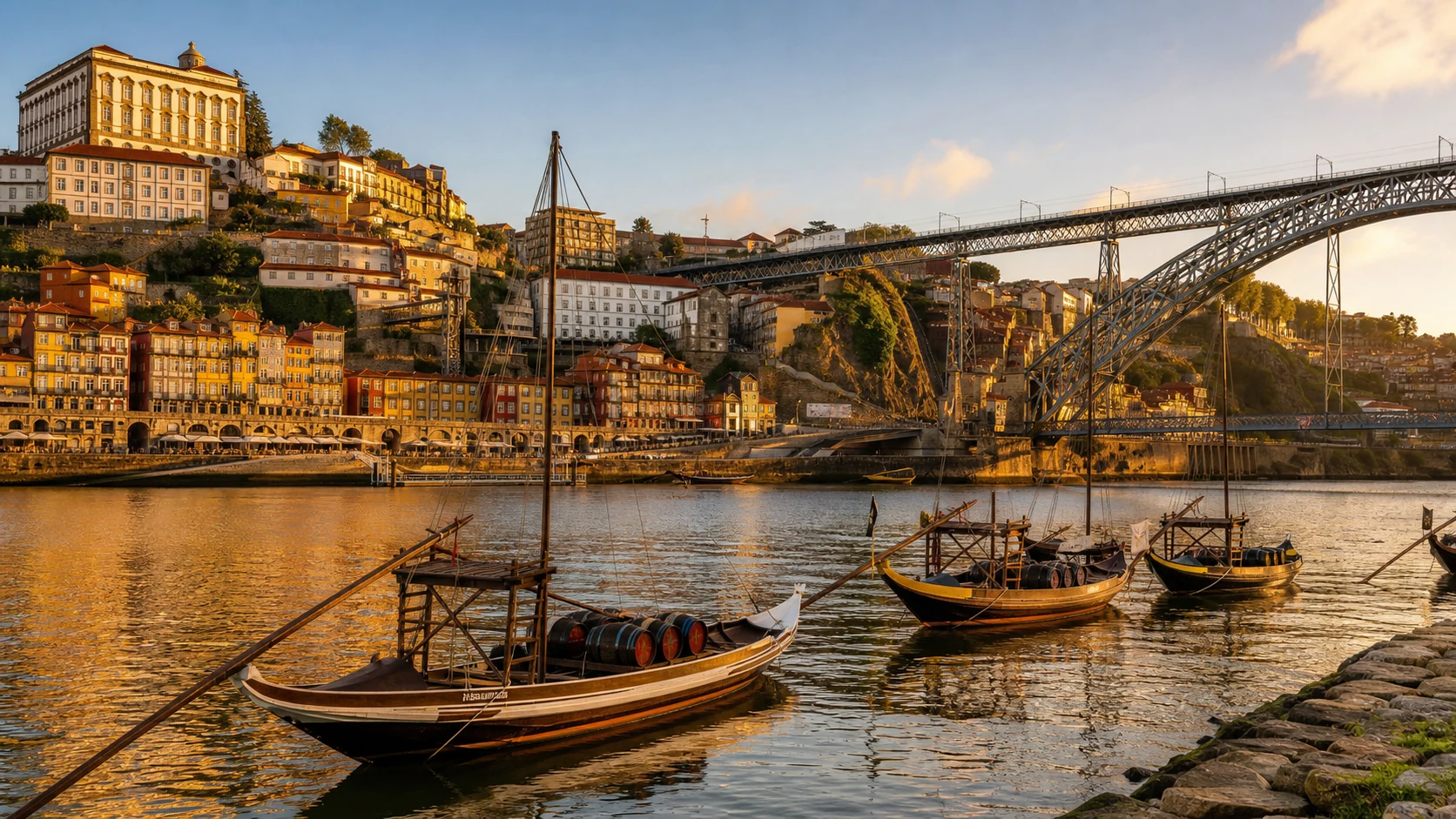
If this is your first Porto trip, I would prioritize viewpoints, one or two worthwhile interiors, one crossing into Gaia, and time by the river without feeling obligated to turn every famous place into a ticketed stop.
Livraria Lello is beautiful and over-central in most itineraries. The official ticket-voucher system now starts at €10, and the value is deductible against a book purchase. If you care about bookstores and architecture, go. If you only care because the internet told you to, do not let it dominate your day. Livraria Lello itself advises that lunch time and late afternoon usually have lower affluence, which is actually useful guidance.
Clérigos Tower is more clearly worth the ticket. The official day ticket for the Tower + Museum is €10, and the view gives you one of the best elevated reads on the city. That is the sort of paid sight Porto does well: compact, visually rewarding, and easy to understand.
São Bento Station is still a free win. Stand there, look up, and let the azulejos do the work. Not every famous sight needs more explanation than that.
The Dom Luís I Bridge is the city’s best free orientation tool. Walk it once in daylight and once nearer sunset if you have time.
Foz do Douro is the day-three or day-four move that helps Porto breathe. If the historic core starts feeling too compressed, head to the coast. The pace changes immediately.
The main thing I would skip is overcommitting to the Ribeira during peak lunch and dinner hours. It is scenic. It is also the easiest place to pay more for less. See it, photograph it, maybe drink there once, and then move on.
Porto's miradouros are some of the best-value experiences in the city. Jardim do Morro and Miradouro da Vitória do more for most first-timers than adding one extra mediocre paid attraction.
The Wine Cellars
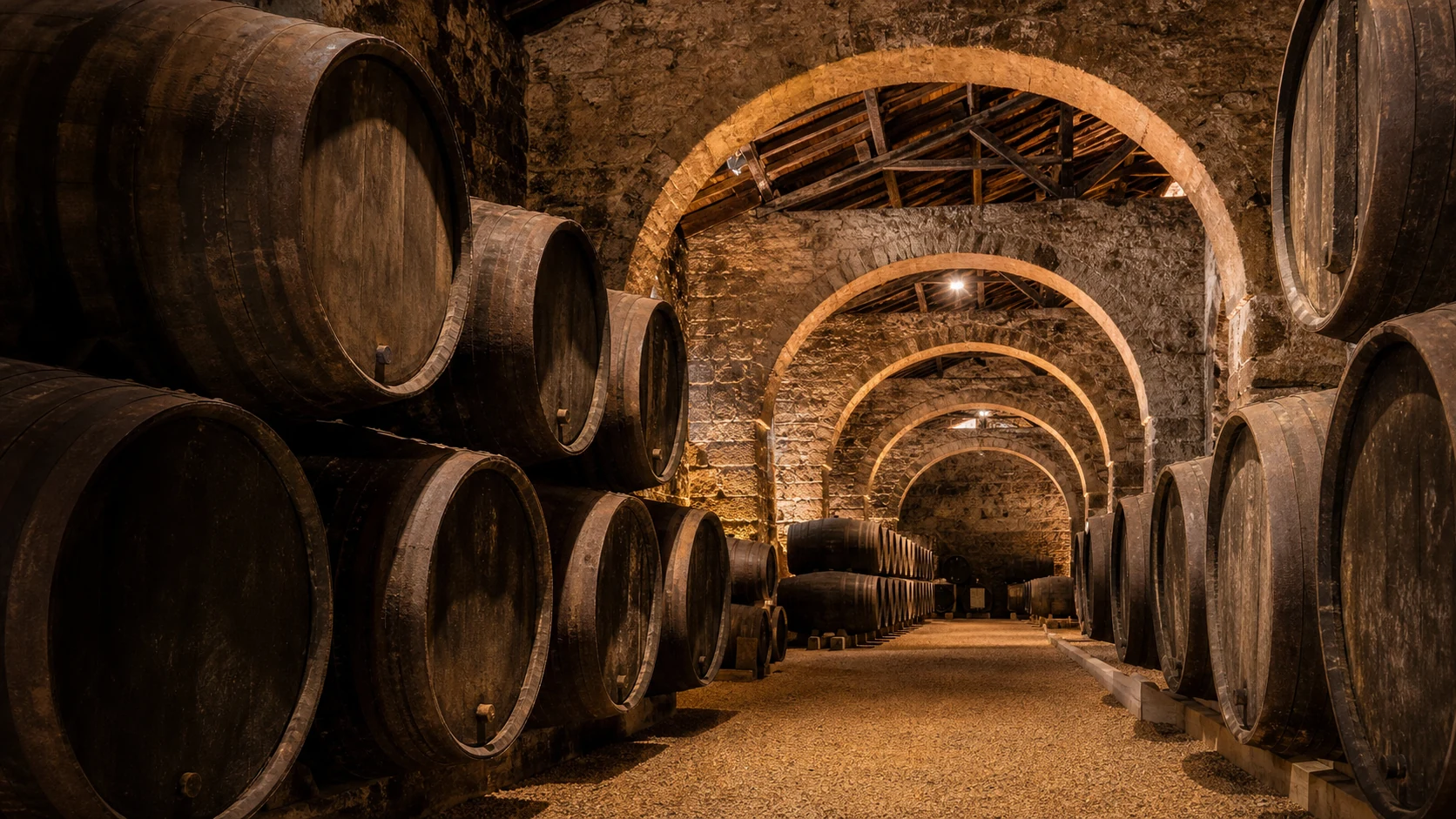
The wine lodges in Vila Nova de Gaia are one of Porto’s real strengths, but they are also one of the easiest places to over-program.
You do not need three cellar tours. You need one good one.
If you want the straightforward first-timer version, Taylor’s is a strong place to start. The official Porto cellar ticket currently costs €25 and includes the audio guide plus a tasting of three ports. That is enough to make the experience feel substantial rather than symbolic.
Cálem is useful if you want a more polished visitor experience and like the idea of bundling the visit with a show or a more produced format. It is not my automatic default, but it is a defensible choice.
The real point is not brand collecting. It is learning enough to understand the categories, the ageing styles, and why port tastes the way it does. Once you have done one well, you do not need to force two more just because the riverfront makes it easy.
My advice is to pick one lodge directly, book with the producer if possible, and then spend the rest of the afternoon walking Gaia, stopping for the view, or heading back across the bridge instead of turning the whole day into alcohol logistics.
Where to Stay
The right Porto base depends on whether you want views, convenience, or a neighborhood that still feels like people actually live there.
Ribeira is the most obvious and the least necessary. It is beautiful, but it is also the noisiest, the most tourist-saturated, and rarely the best value. I would stay there only if opening the window onto the postcard is worth the premium to you.
Aliados / Trindade is the practical center. You get excellent transport access, a straightforward street grid, and a lot of predictable hotel stock. If you are in Porto briefly, this area makes a lot of sense.
Cedofeita is one of the best overall answers. It feels more local, has strong café and restaurant options, and still keeps you within walking reach of the core sights.
Bonfim is the smart-value pick if you want Porto with more texture and slightly less performance. It is not as immediately postcard-friendly as Ribeira, but it often produces a better real stay.
Gaia can be worthwhile if the hotel value is substantially better and you do not mind crossing the river regularly. I would still prefer staying on the Porto side for a first trip unless the price gap is convincing.
Current rough ranges: €25-45 for hostel dorms, €85-160 for simpler private rooms or budget hotels, and more once you move into boutique properties or peak-season weekends.
Start Your Hotel Search in Cedofeita or Bonfim
If you want a stronger balance of value, walkability, and not feeling trapped inside the tourist core, those are the first two areas I would filter.
Where to Eat
Porto is not a city where you need a complicated food strategy. You mostly need the discipline not to eat every meal where the river is doing all the selling.
The francesinha is the obvious headline dish, and it is worth trying once if you know what you are signing up for. It is rich, heavy, and better approached as a commitment than as a casual lunch. Prices in the €10-15 range are still realistic at decent local spots.
For everyday eating, prato do dia lunch specials remain one of Porto’s best value plays. Soup, a main, and a drink for €10-15 is still one of the easiest ways to keep the city affordable without feeling like you are compromising.
Mercado do Bolhão is useful as both a building and an eating stop, but I would treat it as a flexible meal anchor rather than a sacred must-do.
What I would spend on instead: good seafood, thoughtful petiscos, and decent wine. Porto still makes it possible to drink better than your budget would usually allow in a city this attractive.
What I would not overpay for: riverfront mediocrity, generic pastry stops with a queue doing the marketing for them, and wine-lodge restaurants unless the setting is genuinely the point of the meal.
What It Costs
Porto is not dirt cheap, but it still gives you more room than most similarly appealing Western European cities.
| Category | Budget | Mid-range |
|---|---|---|
| Accommodation | €25-45 | €95-180 |
| Breakfast | €2-5 | €3-8 |
| Lunch | €10-15 | €15-28 |
| Dinner | €15-28 | €28-50 |
| Transit | €3-8 | €5-12 |
| Attractions | €0-25 | €15-45 |
| Daily total | ~€55-95 | ~€160-255 |
The difference between a smart Porto trip and a wasteful one is not whether you pay for attractions. It is usually where you sleep and how often you decide the view should decide the bill.
Practical Info
The best times to go are still May, June, September, and early October. Porto can be wet outside those windows, but it is also one of the cities where grey weather does not kill the trip completely.
For length of stay, three nights is the sweet spot for most first-timers. That gives you enough room for the core city, Gaia, and either Foz or a slightly slower extra day.
If you have more time, the main follow-on choice is whether you want more Portugal or more countryside. Continuing south toward Lisbon makes sense if you want a fuller city contrast. Heading toward the Douro works if scenery is the point.
Porto is also one of the easier cities to enjoy without chasing “hidden gems.” You do not need obscure content to win here. You need a good base, a little restraint around the waterfront, and enough slack in the schedule to let the city’s natural rhythm do some of the work.