Quick Take
What you should know before you book
For ten nights on the ground, I would plan roughly €1,300–1,800 per person for a value-first Kraków and Budapest trip, €2,000–3,000 for a comfortable Bologna and Florence trip, or €3,400–5,200 for a selective Paris and Amsterdam splurge. These ranges assume two people sharing a room and exclude international flights.
- Value-first: Kraków and Budapest, where central evenings, good food, and a thermal-bath day can fit without treating every euro as an emergency.
- Comfortable: Bologna and Florence, with well-located rooms, one proper meal most days, a short train ride, and art booked selectively.
- Selective splurge: Paris and Amsterdam, where the money goes toward location, the direct train, and a few exceptional experiences rather than a third expensive city.
- Best default: spend on fewer bases and better locations before upgrading the room category, rail class, or number of paid attractions.
In This Guide
A Europe budget should tell you more than whether the arithmetic works. It should reveal whether mornings begin with a bakery bag in Kraków or room-service coffee in Paris, and whether the hotel is around the corner or forty minutes away. It should also tell you whether dinner is part of the trip or merely fuel between reservations. My recommendation is to choose the vacation first, then build the number around it. This guide compares three ten-night versions of Europe: value-first Kraków and Budapest, comfortable Bologna and Florence, and a selective Paris and Amsterdam splurge. You will see what each range includes, where the money improves the day, what compromise comes with it, and which decisions deserve booking first.
The Bottom Line
The best Europe budget is not the cheapest version of the same itinerary. It is a different itinerary with its dignity intact.
For ten nights, I would rather book two cities, sleep somewhere that gives the evenings back, eat one meal each day that belongs to the place, and pay for one or two experiences I genuinely care about. The weaker alternative is four cities, dawn departures, distant rooms, and a private accounting crisis every time a menu appears.
Two cities does not mean ten days circling the same cathedral. In these examples, each city is a regional base: enough time for arrival, several distinct city days, one slower morning or long meal, and an optional trip beyond the center. If that sounds sleepy rather than luxurious, choose a faster three-city route—but budget it as a different vacation with another transfer, another checkout, and less room for weather or spontaneity.
The three ranges in this guide are land budgets per person for two people sharing a room. They include ten nights of lodging, food, local transport, one intercity journey, and a sensible number of paid experiences. They do not include the flight to Europe because a ticket from Chicago, Atlanta, Toronto, or London changes the total too dramatically to hide inside one number.
Use the ranges as honest starting points, not promises. They were checked on August 6, 2026, against representative October 2026 travel. A festival, school holiday, major match, or unusually popular weekend can make the same room laugh at this article.
Choose the Trip Before the Number
“Budget traveler” is not a personality test. You may happily eat a paper-wrapped lunch on a bench and still care deeply about a central hotel. You may sleep in a beautiful room and have no interest in tasting menus, private tours, or first-class trains. A useful budget starts with those preferences instead of forcing everyone into one daily allowance.
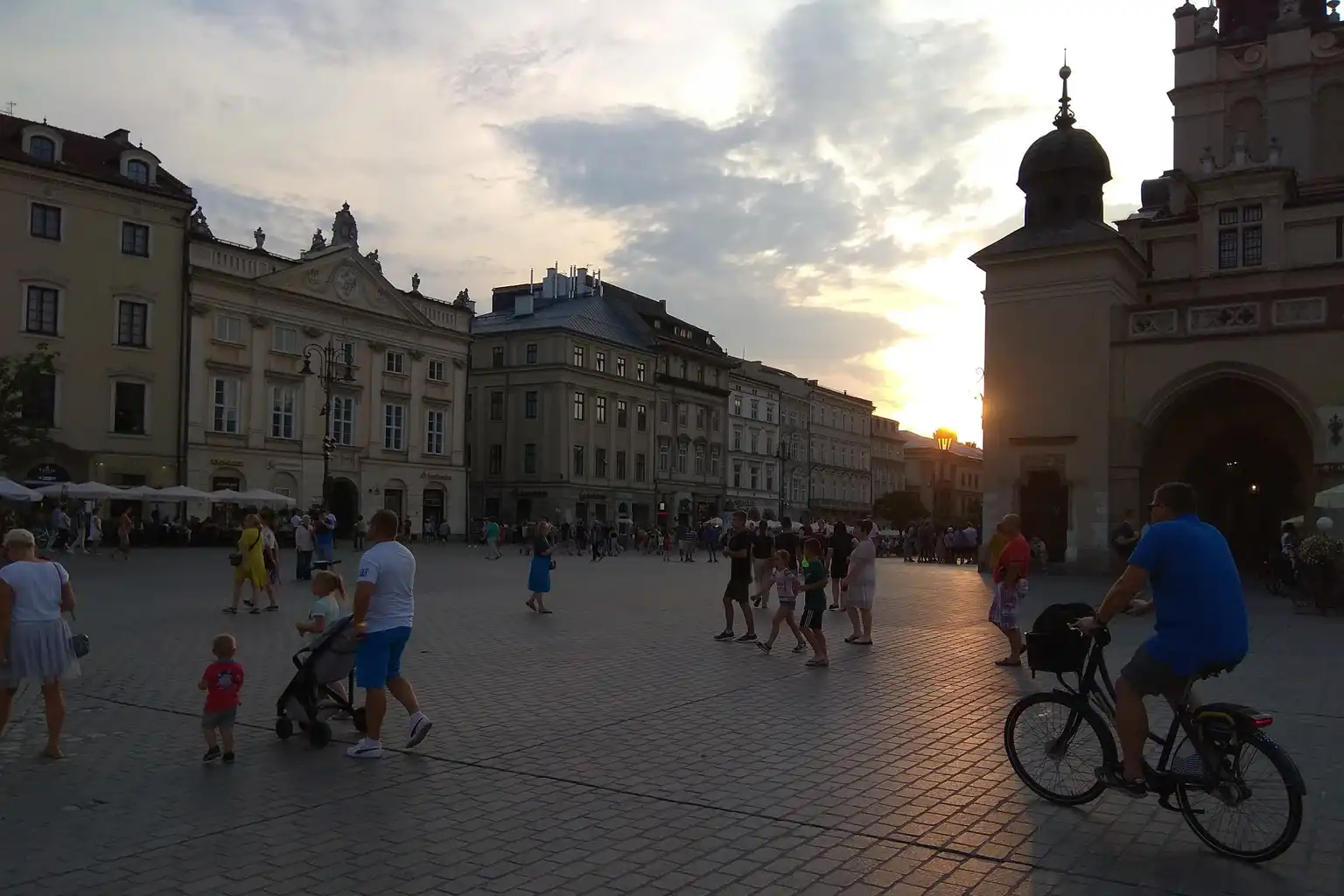
Picture a full day you would enjoy. In Kraków, that might be an obwarzanek near Rynek Główny, a long walk through Kazimierz, pierogi for lunch, and one museum before the square fills again in the evening. In Bologna, lunch itself may be the attraction: tagliatelle, a glass of wine, and nowhere urgent to be while rain ticks against the porticoes. In Paris, the luxury may be walking home from dinner rather than navigating two trains to save €35 on the room.
Those are budget decisions because they reveal what deserves protection. If food is the reason for Italy, do not design a plan that makes every dinner a rushed station sandwich. If central evenings matter in Paris, accept a simpler room before moving so far out that Montmartre becomes a special expedition. If you mostly want streets, markets, parks, and cafés, stop buying attraction passes as though unvisited museums will appear on your permanent record.
Choose two or three things the trip must do well. Let the rest be ordinary. That is the difference between spending less and constantly feeling deprived.
Value-First Europe: Kraków and Budapest
Plan roughly €1,300–1,800 per person for ten nights, based on two people sharing. This version is not ten days of supermarket sandwiches and moral superiority. It is four nights in Kraków, six in Budapest, central or well-connected rooms, casual local food, public transport, one intercity trip, and a few paid highlights.
The split is deliberate. Four Kraków nights give you an arrival evening, two full city days, and room for an excursion such as Wieliczka if the salt mine appeals. Six Budapest nights create several genuinely different days: Buda Castle and the hills, the market and riverside, a serious bath afternoon, neighborhood wandering, and an optional escape to Szentendre or the Danube Bend. If you do not want an excursion or a slow bath day, take a night away; the point is to make the base useful, not defend a round number.
Kraków gives the first half an easy rhythm. Stay close enough to the Old Town or Kazimierz that the day begins on foot. Breakfast can be an obwarzanek and coffee; lunch can be pierogi or żurek without a reservation; evening can drift between Planty Park, the market square, and Kazimierz. The city does not require a paid monument every three hours to feel substantial.
Choose one Kraków admission that matters. Schindler’s Factory is the obvious option for many first-time visitors, and the official Museum of Kraków currently lists a regular ticket at 60 PLN (about €14 at the July 27 ECB reference rate). The booking consequence is more important than the conversion: individual tickets open 90 days ahead and timed capacity is limited. Reserve it, then let Wawel Hill, churches, courtyards, and long walks carry the rest of the day.
Budapest is where I would allow one deliberate splurge. A weekday at Széchenyi can mean steam rising above the outdoor pools while the yellow Metro Line 1 rattles beneath City Park. That feels far more like a reason to travel than five forgettable minor attractions bought because each looked inexpensive alone. Pair it with Great Market Hall, a Danube walk, and one evening in a ruin bar or neighborhood wine bar.
Save on room category, not location. A compact room near Kraków’s center and a straightforward metro or tram connection in Budapest will usually produce a better trip than a larger room stranded beyond the neighborhoods you came to enjoy. You should be able to finish dinner and decide that the walk home is part of the evening.
The compromise is the move between the cities. Kraków and Budapest are not a quick Italian-style hop. Price the useful daytime or overnight option for your dates, and resist adding Vienna merely because the railway map makes it look available. A third base would turn the value route into a luggage route and eat the savings you worked to protect.
What does the comfortable tier improve? Primarily the room, the speed of the transfer, and the freedom to sit down for dinner without mentally negotiating with the menu. It does not automatically produce a more interesting city.
Comfortable Europe: Bologna and Florence
Plan roughly €2,000–3,000 per person for ten nights, again with two sharing. This is the version I would recommend to most travelers who want the budget to disappear into the background. Split four nights in Bologna and six in Florence, take the short high-speed train between them, and keep enough room for central lodging, a proper meal most days, and the art you crossed the Atlantic to see.
Those nights are not all city-center sightseeing. Bologna can hold two full food-and-city days plus an Emilia-Romagna outing to Modena, Parma, or Ravenna. Florence can carry three substantial city days without stacking museums, then give Siena, Lucca, or the Tuscan countryside a day of its own. Travelers who have no appetite for day trips should shorten both stays and add another destination; they should also price the extra train and hotel move rather than pretending it arrives for free.
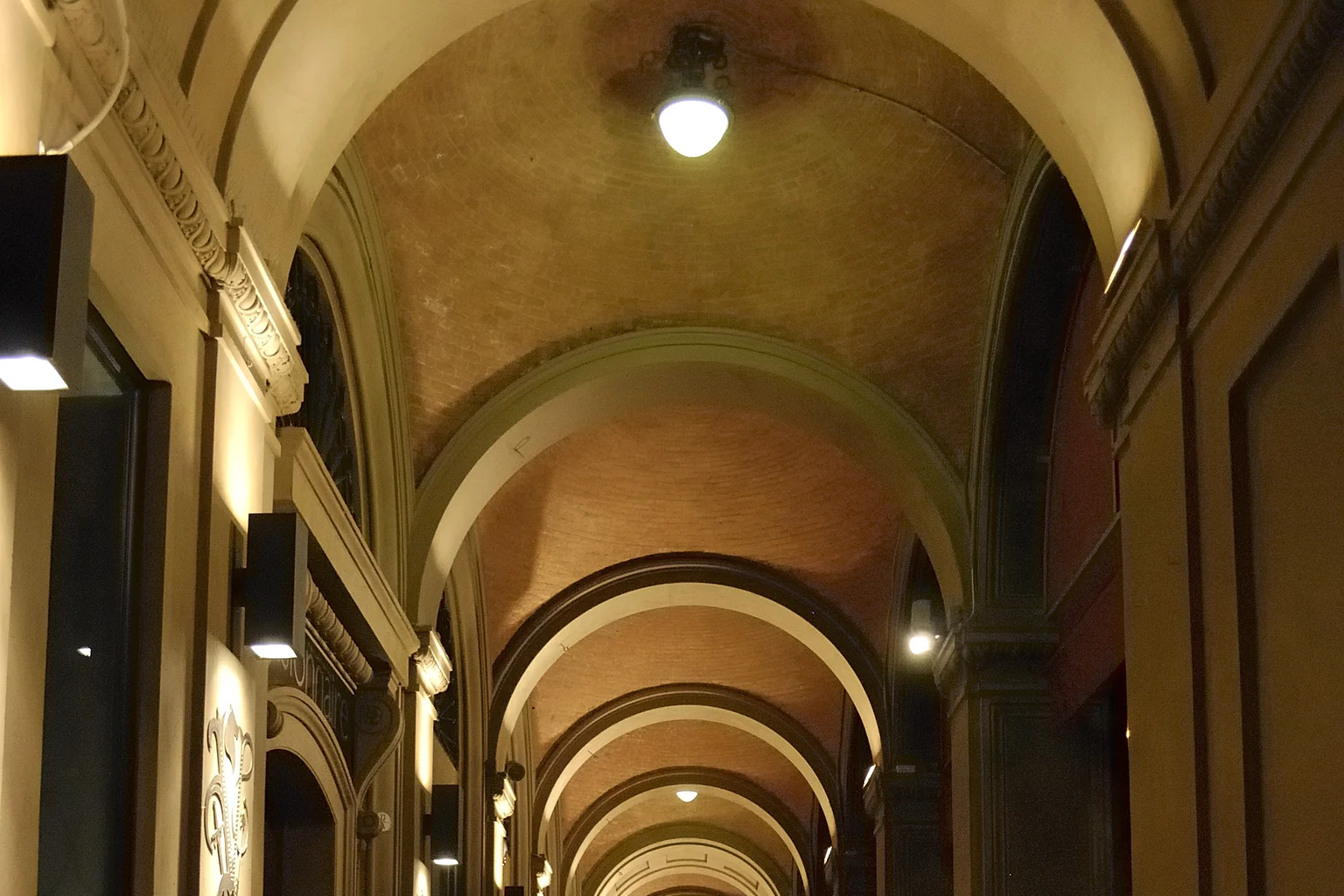
Bologna earns money differently from Paris. A comfortable day can begin under brick arcades, move through the Quadrilatero market, and become a long lunch of tagliatelle al ragù or tortellini in brodo. You are not paying for an endless attraction list. You are paying to stay near the center, eat without turning every menu into a threat, and let the city’s porticoes make bad weather feel atmospheric rather than inconvenient.
This route also demonstrates why compact geography is valuable. Italo advertises Bologna–Florence fares from €9.90, and the high-speed journey is short enough that moving cities does not consume the whole day. I would still choose a departure that works with hotel checkout and check-in. Saving €12 on a train is not a victory if it buys three hours beside your luggage.
Florence deserves selective ambition. Book the Uffizi if Renaissance art is central to the trip; official 2026 pricing is €25 on the day or €29 in advance. Then stop. The Uffizi, Accademia, a Duomo climb, Palazzo Pitti, and every church with a ticket do not need to attack the same forty-eight hours.
Give one museum a clear morning. Spend the afternoon crossing the Arno, walking through Oltrarno, or climbing toward Piazzale Michelangelo when the light begins to soften. A comfortable budget buys the confidence to choose one excellent thing without trying to extract monetary revenge from the city afterward.
Spend more on location and meals; save on hotel theater. In both cities, a smaller room within an easy walk of the center is usually worth more than extra square footage near a highway interchange. The useful upgrade is not marble in the bathroom. It is finishing dinner and still having enough evening left for another street, square, or gelato.
The compromise is that central Italy is not secretly cheap. Popular dates can push lodging toward the top of the range, Florence levies its own tourism tax, and a food-centered plan becomes expensive when every meal tries to be the meal. Keep breakfast simple, make lunch or dinner the daily event, and leave the other one casual.
What does the selective-splurge tier improve? It buys more iconic geography, stronger hotel choices, and fewer moments when price decides the day. Whether that is worth another €1,500 or more depends on how much Paris and Amsterdam matter to you specifically.
Selective Splurge: Paris and Amsterdam
Plan roughly €3,400–5,200 per person for ten nights, based on two sharing a central or strongly connected room. This is not a blank-check vacation. It is six nights in Paris, four in Amsterdam, the direct Eurostar, a small set of major reservations, and enough food money that neither city feels like a museum corridor with snacks.
Paris receives the extra nights because it can absorb them without repetition: several neighborhood days, one major museum day, long evenings, and Versailles if the palace matters to you. Four Amsterdam nights cover the train arrival, two full canal-and-neighborhood days, and either a nearby excursion or an intentionally unscheduled morning. A traveler who values variety above depth may prefer Paris, Brussels, and Amsterdam; that is a valid trip, but it spends more of the selective-splurge budget changing hotels.
Paris rewards location immediately. A bakery breakfast, a morning at the Louvre or Musée d’Orsay, lunch somewhere that has never heard of a laminated “Paris menu,” and an evening walk along the Seine already fill the day. The splurge is being able to return to the room, change, and go back out without treating the transit map like a military operation.
Choose one museum-heavy day and one beautiful, largely free day. The Louvre’s official ticket page should settle the timed-entry decision. Montmartre, the Luxembourg Gardens, Canal Saint-Martin, neighborhood markets, and the Seine can then keep the trip from becoming a receipt with paintings attached. The Paris budget guide has the city-specific savings, but the larger recommendation is simple: do not economize so aggressively on location that Paris becomes exhausting.
Take the direct Eurostar to Amsterdam. Eurostar lists the journey at roughly 3 hours 20 minutes, with fares that rise as the cheapest inventory disappears. This is where I would pay for the departure that protects both cities. A painfully early train can ruin the Paris evening before it and the Amsterdam morning after it.
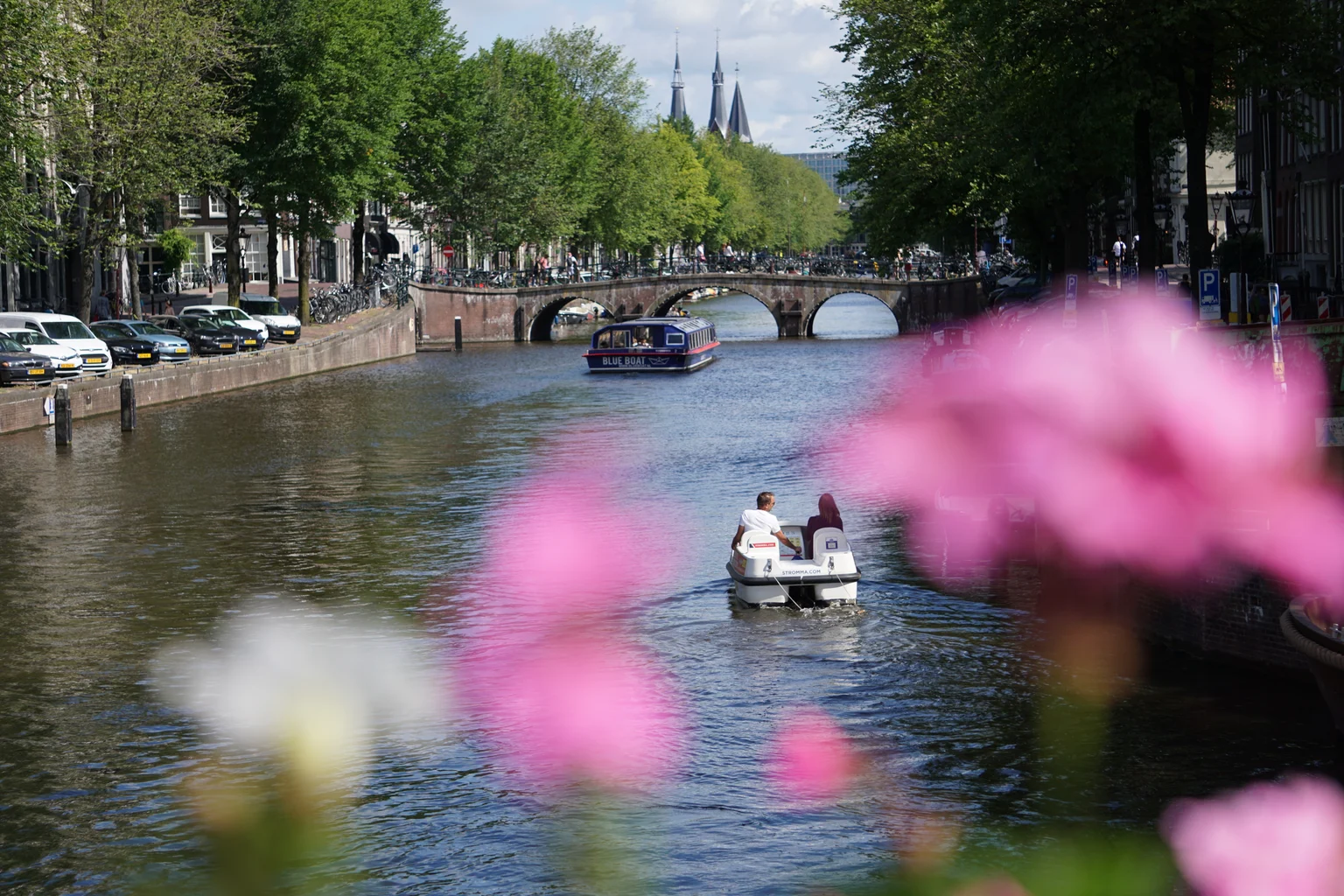
Amsterdam needs discipline of a different kind. Central rooms can be ferociously expensive, so compare the canal ring with neighborhoods on a direct tram or metro rather than searching outward without a stopping rule. The Jordaan, De Pijp, Oud-West, and the eastern docklands create different evenings; “twenty minutes from the center” does not tell you which one you are buying.
Book the Rijksmuseum if Dutch art is important, then give the canals room to work. A late afternoon beside the Brouwersgracht, bicycles stacked against a bridge, and dinner on a neighborhood street can carry more emotional weight than a third timed ticket. Selective splurging means paying for the direct train and useful address, not proving that you can upgrade everything.
The compromise is obvious: famous cities charge for the privilege of being famous. Paris and Amsterdam also punish casual date choices. Fashion events, holidays, concerts, and busy weekends can change lodging faster than any coffee-saving strategy can repair it.
Do not add London, Brussels, or Bruges merely because the train passes in the right direction. The splurge works because two expensive cities receive enough time to justify their fixed costs. A third base buys another checkout when what you needed was another unhurried morning.
The Choices That Change the Total Most
The largest savings usually come from changing the architecture of the trip, not trimming its nicest hour.
Remove a base before reducing every day. One fewer city can eliminate another train, station transfers, luggage storage, a badly timed meal, and the temptation to pay for convenience after exhaustion wins. Ten nights in two bases also lets you consider weekly or multi-day transit products without constantly starting over.
Treat location as a purchase of time. A cheaper room is valuable when it sits on a direct line or in a neighborhood you genuinely want to explore. It is false economy when every dinner ends with two transfers and the last forty minutes of the night feel like a commute. Compare the complete stay saving with the transport cost and the hours surrendered.
Move the dates before lowering the trip. A Tuesday arrival, a week away from a festival, or an October departure instead of peak summer can change lodging more than switching from a memorable restaurant to takeaway. Check the city calendar before declaring the destination unaffordable.
Choose one defining experience at a time. Széchenyi, the Uffizi, the Louvre, and the Rijksmuseum are not interchangeable boxes labeled culture. Pay for the one that gives the city its shape for you. Let neighborhoods, markets, parks, churches, viewpoints, and cafés make the space around it feel generous.
Upgrade inconvenience last. First class on a ninety-minute train rarely transforms a vacation. A direct route at a humane hour often does. Spend to remove the inconvenience that would spill into the rest of the day, not the inconvenience that merely sounds inelegant on the booking screen.
A Short Budget Toolkit
Once you know which version of the trip you want, check five things. This should take one page in your notes, not become a second hobby.
- Price the flight separately. Use the fare you can actually buy with the baggage and seat choices you need. Do not disguise an origin-dependent international ticket inside a Europe daily average.
- Set the land range. Include the complete room total, food, local transit, the useful intercity departure, and the paid experiences already named in the itinerary.
- Check what the room total excludes. Tourism taxes, breakfast, cancellation terms, and whether the rate is per room or per person can materially change a seductive search result.
- Keep 10% outside the plan. That money is for a changed train, an unexpected taxi, a currency swing, or the lunch that costs more than your planning self wanted to admit.
- Book scarcity before flexibility. Secure the international route when the total works, then the hardest cancellable room, constrained intercity departures, and the few timed experiences that define the trip.
If the number is too high, change one large choice and price it again. Remove a city. Move the dates. Simplify the room without abandoning the neighborhood. Do not spend an hour removing €6 from every lunch while protecting an unnecessary flight or five extra hotel nights in the most expensive stop.
My Budget Verdict
For most travelers, I would choose the comfortable Bologna and Florence version. It leaves enough money for central days, serious food, and excellent art without making expense the main character. More importantly, it still sounds like a vacation when the budgeting is finished.