Quick Take
What you should know before you book
For Oktoberfest 2026, book the hotel first, decide whether you actually need a tent reservation second, and build the rest around public transport. Entry to the festival and the tents is free, but Munich hotel prices, weekend crowd pressure, and bad late-night transit decisions are where casual planning gets punished.
- Dates: the 190th Oktoberfest runs from September 19 to October 4, 2026 at Theresienwiese in Munich.
- Reservation reality: reservations are not mandatory, and at least 25 percent of seats in the big tents remain unreserved.
- Best transit anchors: U4/U5 to Theresienwiese or Schwanthalerhohe, U3/U6 to Goetheplatz or Poccistrasse, and S1-S8 to Hackerbrucke.
- Bag rule: bags can be up to 3 liters in volume or 20 x 15 x 10 cm, and larger bags or regular backpacks are the wrong idea.
In This Guide
Oktoberfest is one of those trips people manage to overcomplicate and underplan at exactly the same time. They spend a week talking about lederhosen, casually assume they will “just find a tent,” and then act shocked when Munich hotel prices look like the city noticed a seven-million-visitor event was coming.
The good news is that Oktoberfest 2026 is not mysterious. It is the 190th Oktoberfest, it runs on fixed dates, the transport into Theresienwiese is straightforward, and the official rules are public. The bad news is that the parts people ignore are the parts that actually ruin the trip: booking too late, staying in the wrong place, and showing up with a weekend-only fantasy plus no real table strategy.
This guide is the planning version, not the party version. If you want the clean answer on what actually matters, it is hotel first, transit second, reservation strategy third, and everything costume-related a distant fourth.
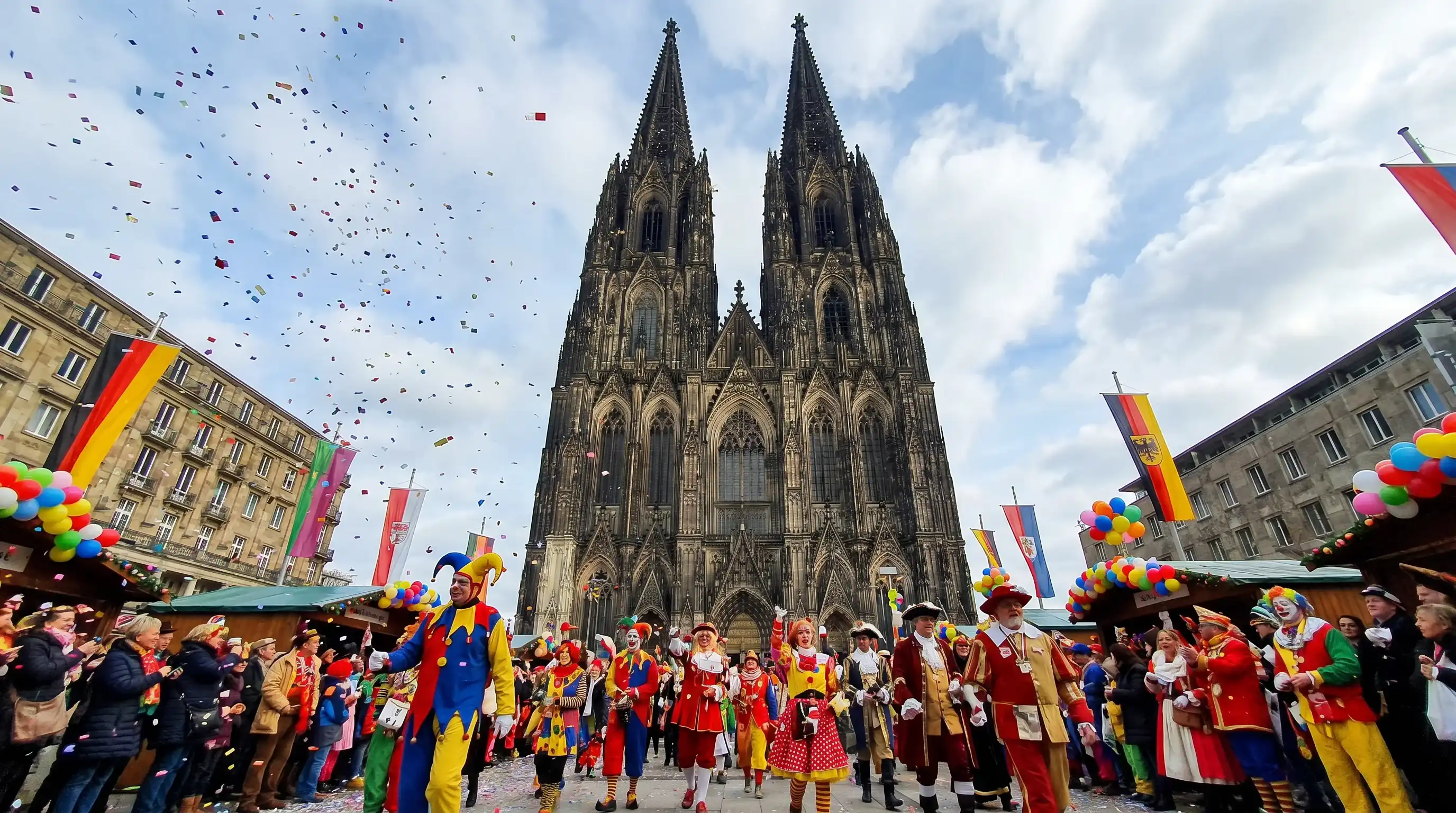
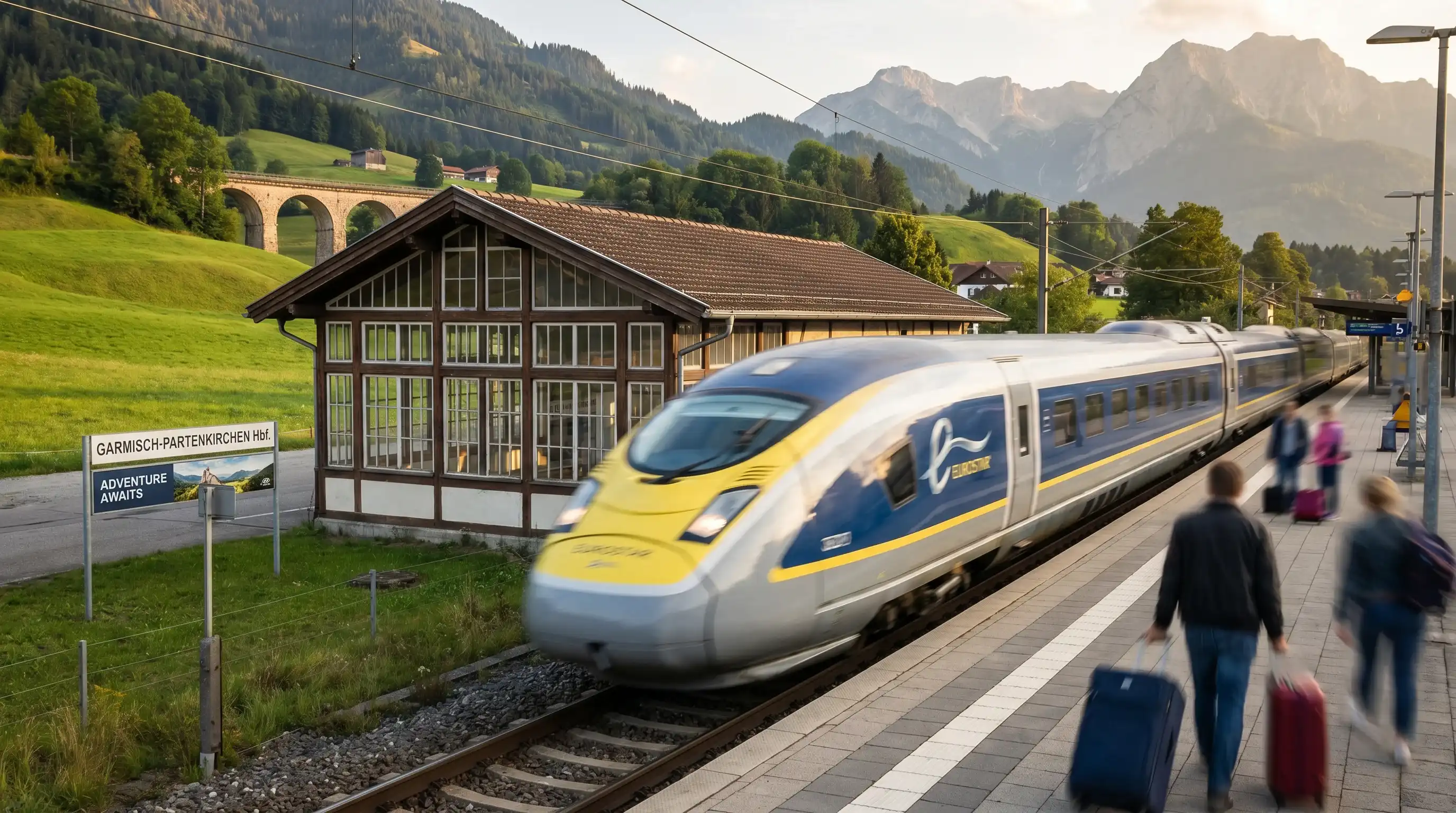
If you like festival trips but do not enjoy preventable chaos, think of this more like the planning logic behind Cologne Karneval than a casual night out. And if Oktoberfest is one stop on a wider route, build it using the same discipline as a Europe rail trip, because a festival day is not a recovery day no matter what your spreadsheet claims.
Quick Verdict
If you are planning Oktoberfest 2026 from outside Munich, the booking order should be:
- Hotel
- Long-distance travel into Munich
- Tent reservation strategy
- Everything fun you were hoping to think about first
That order matters because accommodation is the real pressure point. The official reservation pages get all the attention, but the hotel is the thing that most reliably punishes delay. A reserved table does not help much if you are sleeping somewhere irritatingly far away and betting the last regional train of the night will still feel romantic after six hours on the Wiesn.
My useful version is simple:
- Couples, solo travelers, and flexible weekday visitors can often keep the tent plan loose.
- Groups who want evenings, weekends, or one specific tent need to stop pretending flexibility is the plan.
- Saturday-only visitors either need earlier booking or lower expectations. Preferably both.
"Entry to Oktoberfest is free. The expensive part is everything you failed to book before everyone else remembered Munich exists."
Dates and Basics
The official Oktoberfest opening-hours page confirms that the 190th Oktoberfest runs from September 19 to October 4, 2026 at Theresienwiese in Munich.
The most important basics are these:
- Festival grounds entry is free.
- Entry to the beer tents is also free.
- Reservations are optional, not mandatory.
- Large bags and regular backpacks are the wrong move.
Official tent hours for 2026 are also more structured than a lot of first-timers assume. The official schedule lists the big tents as opening 10 a.m. to 11:30 p.m. Monday to Friday, and 9 a.m. to 11:30 p.m. on Saturdays, Sundays, and the October 3 holiday. The big point people miss is that the last beer and music in the large festival halls is 10:30 p.m. Small tents run a little later, with last beer and music at 11 p.m.
This is not a midnight-ramble event where the real night starts late. Oktoberfest is better treated like a daytime event that can extend into the evening, not an evening event you lazily wander into after dinner.
The official security page is also blunt on bags: what you bring must fit within 3 liters in volume or be no larger than 20 x 15 x 10 cm. That is basically a small handbag or mini-backpack, not your normal day bag.
If this is your first Wiesn, plan it around an early or mid-afternoon arrival. Oktoberfest rewards people who begin with food, a table plan, and enough energy to make one decent decision after 9 p.m.
What to Book First
Book the hotel first. I know tent reservations feel more dramatic. They are not more urgent for most travelers.
Munich is the pressure point because the city gets expensive fast once festival demand concentrates. Good-value rooms do not sit around politely waiting for you to finish debating whether traditional clothing counts as an investment piece. The hotel is usually what decides whether Oktoberfest feels expensive-but-fun or just expensive.
After that, book your transport into Munich. If you are already in Europe, rail is often the cleanest answer. If you are flying in, remember that Munich Airport is not close enough to the Wiesn for last-minute optimism to count as a transfer strategy.
Only after those two are handled would I obsess over a tent reservation. That is not because reservations do not matter. They do. It is because a reservation without a smart base and a workable way home is just a scheduled inconvenience.
The order by traveler type:
- Solo or couple: hotel, then train or flight, then decide whether a weekday reservation adds anything.
- Friend group of 4-8: hotel first, then one clear tent strategy, not five half-plans.
- Larger group: hotel and reservations should be discussed at the same time because both can go sideways.
- Weekend-only trip: lock the hotel early and treat everything else as damage control after that.
Book the Boring Part Before It Gets Expensive
Oktoberfest becomes much easier once the hotel and arrival are sorted. The tent plan is important, but the wrong hotel location will annoy you longer than the wrong beer choice ever will.
Tent Reservations
The official reservations page answers the biggest misconception immediately: you do not need a reservation to go to Oktoberfest or to enter the beer tents.
That said, “not required” is not the same thing as “irrelevant.” The official 2026 reservation FAQ is very clear that some tables in the big tents stay unreserved, but it is also very clear that evenings, weekends, and groups are where people get squeezed out or blocked by overcrowding.
The most useful official rules for planning:
- The reservation itself is free.
- What you actually prepay are food and drink vouchers plus small handling costs.
- At least 25 percent of seats in the big tents remain unreserved.
- On weekends and public holidays until 3 p.m., 40 percent of seats remain unreserved, then it drops back to 25 percent.
- Most tents activate 2026 reservations in spring, usually by April or May.
That means your decision is not really “reservation or no reservation?” It is “how much uncertainty can my group tolerate?”
You probably do want a reservation if:
- you are a bigger group
- you want a Saturday evening
- you care about one specific tent
- this is a once-only trip and you would be annoyed by table uncertainty
You can often skip a reservation if:
- you are one or two people
- you can visit Monday through Thursday
- you are happy to show up earlier
- your version of success is “good Oktoberfest session,” not “precise table in precise tent at precise hour”
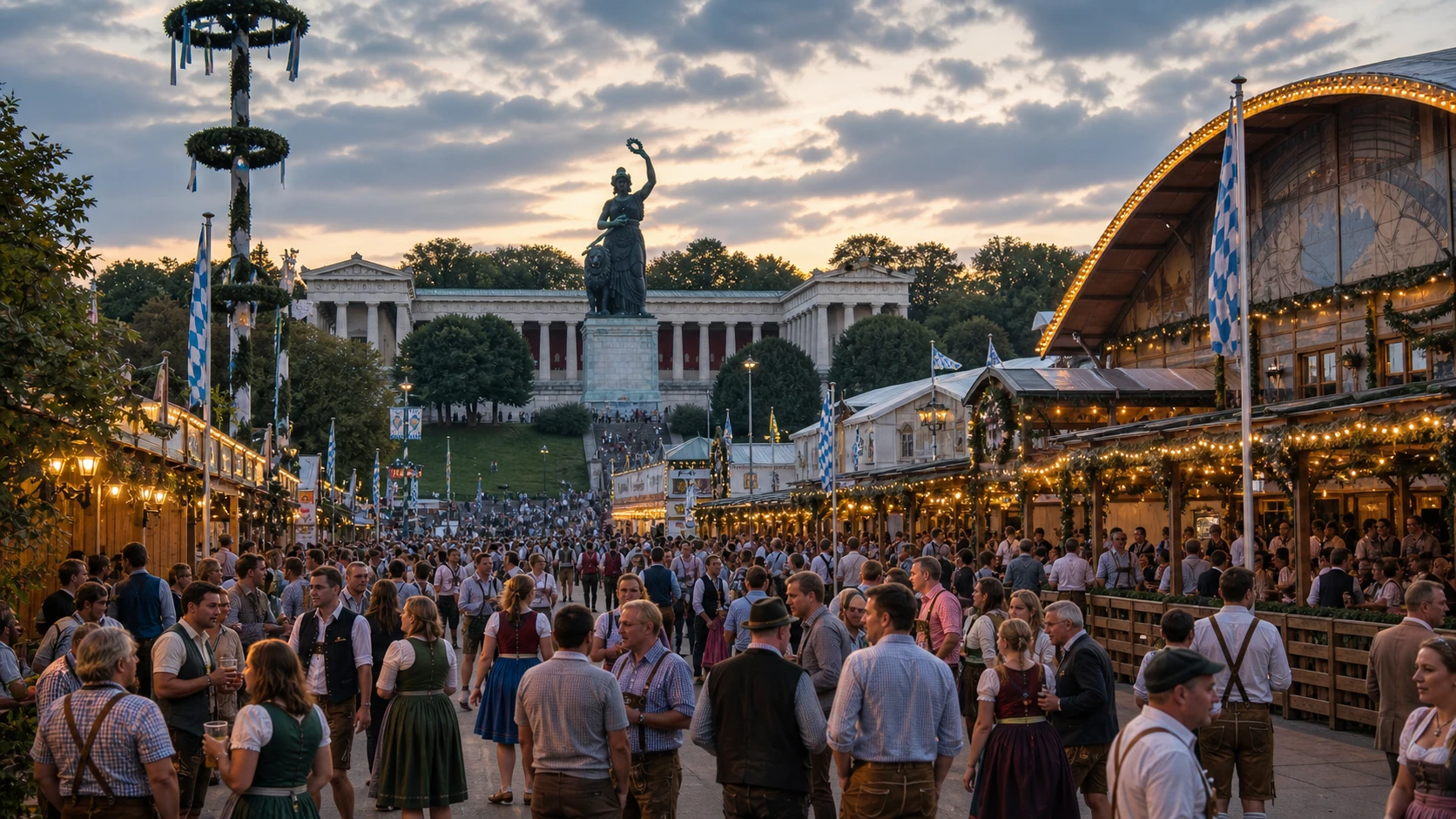
My take: most first-timers need one solid reservation at most, or none at all if they are flexible and visiting midweek. Once you start trying to reserve the whole festival, you usually end up building a worse trip around a problem that did not need that much management.
Where to Stay
The best Oktoberfest base is not automatically “closest to Theresienwiese.” It is the base that gives you an easy arrival, an easy return, and a decent Munich stay when you are not actually inside the festival.
For most travelers, I would think in this order:
- Near Munich Hbf or a direct transit spine if you want practical logistics.
- Ludwigsvorstadt/Isarvorstadt if you want to be close and are willing to pay for it.
- Maxvorstadt or Schwabing if you want a more complete Munich trip beyond the tents.
- Outer districts with a clean U-Bahn or S-Bahn route if value matters and the ride home is simple.
I would avoid the “cheap room outside Munich” idea unless you have looked at the exact late-night return. A room that seems clever at noon can become the dumbest part of the whole trip at 11 p.m. if the route home involves multiple changes and everybody around you is suddenly very committed to singing.
This is also where people overspend by defaulting to “must be beside the grounds.” You do not need that. Staying near a useful station is often the better choice. And if you want to see Munich as more than a beer delivery system, that broader base is healthier anyway.
For a longer Germany trip, you might also want a calmer follow-up after the festival. That is where something like the Black Forest guide makes more sense than another high-noise city stop.
Compare the Base, Not Just the Festival Fantasy
If two hotels cost about the same, take the one with the easier station access and the less annoying route home. Oktoberfest is already loud enough without adding bad logistics for free.
Getting There
Official Oktoberfest transit guidance strongly favors public transport, and for once the obvious answer is also the correct one.
The official public-transport page notes that the U-Bahn, S-Bahn, buses, and trams all run more frequently during Oktoberfest. The most useful station choices are:
- U4/U5 to Theresienwiese or Schwanthalerhohe
- U3/U6 to Goetheplatz or Poccistrasse
- S1-S8 to Hackerbrucke, then about a 10-minute walk to the main entrance
The official page also points out something useful that most blog posts skip: Theresienwiese station is the busiest stop, so if you are with children or just hate getting squeezed, Goetheplatz, Poccistrasse, or Schwanthalerhohe can be the saner move.
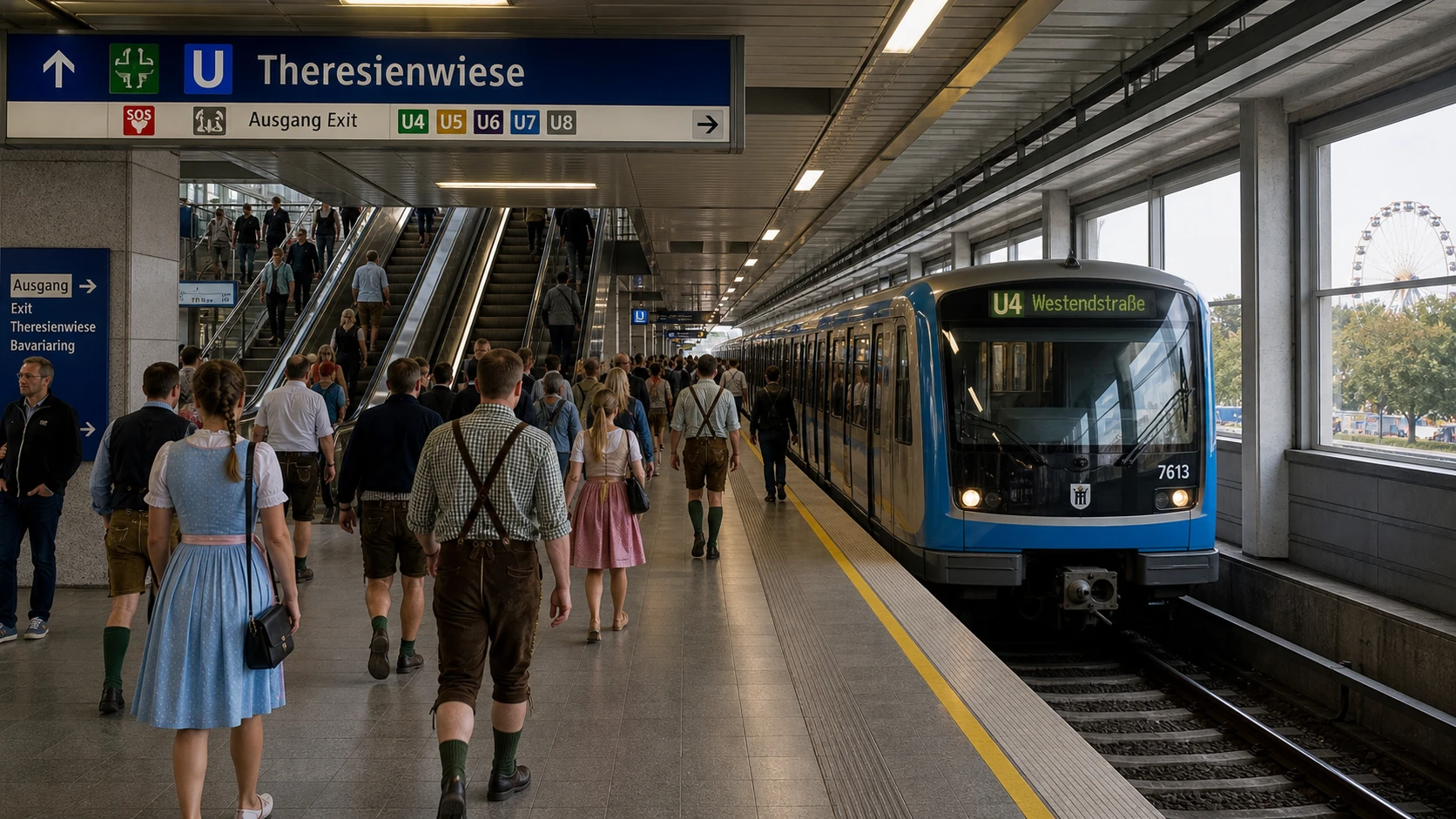
If you are arriving by long-distance rail, Munich Hbf is still the practical anchor, just accept that it gets busy during the Wiesn. If you are driving, I would ask why you are making life harder on purpose. Official guidance includes driving and parking information, but for most visitors public transport is the cleaner, cheaper, and less regrettable answer.
Before booking a cheaper hotel, test the exact route home from Hackerbrucke, Theresienwiese, and Goetheplatz. "Thirty-five minutes direct" is fine. "Three changes and one regional train you cannot miss" is the kind of plan people defend only before the first Mass.
Costs and Crowds
Oktoberfest is free to enter, but it is not a cheap trip. That is the distinction that matters.
Your biggest costs are usually:
- hotel
- transport into Munich
- food and drink in the tents
- any traditional clothing you buy
- general Munich price inflation during festival dates
The official reservation FAQ is helpful here too: reservation itself is free, but voucher bundles are not. That means the expensive part is not the idea of reserving, it is the minimum consumption and the fact that a reservation usually commits you to a pricier version of the day.
Crowds matter just as much as price. The easiest version of Oktoberfest is still a weekday lunch or afternoon. The hardest version is a Saturday evening where you assumed the name recognition of the festival would somehow make everything simpler.
My crowd hierarchy:
- Best for first-timers: Monday to Thursday afternoon
- Fine with planning: weekday evening
- Manageable but busier: Friday and Sunday
- Least forgiving: Saturdays, opening weekend, and the final weekend
If this is your first time, I would rather you do one excellent weekday session than the “most official” Saturday version with worse prices, worse crowd pressure, and worse odds of making calm decisions.
First-Timer Mistakes
The first mistake is assuming Oktoberfest is just a giant beer hall. It is a city-scale event with security rules, crowd management, transport pressure, and a very specific rhythm. If you plan it like a casual bar crawl, the festival will not adapt itself to your optimism.
The second mistake is bringing the wrong bag. The official bag limit is not vague, and security is not improvising. Pack for the rule you actually have, not the daypack you wish was allowed.
The third mistake is arriving too late without a reservation. If you want spontaneity, earn it by arriving earlier.
The fourth mistake is paying for location without paying attention to the route. Close to the grounds is only helpful if the hotel itself is decent and the price makes sense.
The fifth mistake is making Oktoberfest your entire Munich trip. The city deserves at least one calmer day and so do you. If every hour of the trip is festival pressure, you usually end up liking Munich less than you should.
Sample Plans
Here are the versions I would actually recommend.
The sensible first-timer plan: arrive the day before, stay near Hbf or on a clean U-Bahn line, do Oktoberfest on a weekday afternoon, and leave the next morning reasonably light.
The couple plan: no reservation unless you only have a weekend, show up earlier, keep the hotel central enough that the evening does not become a transport stress test.
The group plan: one clear reservation or one clear non-reservation strategy. Groups fail when everybody assumes somebody else handled the part that mattered.
The weekend-only plan: book earlier, spend more, or compromise harder. Preferably accept at least two of those before the trip begins.
The wider Germany plan: use Munich as one chapter, not the whole personality of the itinerary. A calmer second stop after Oktoberfest usually improves the whole trip.
The Verdict
Oktoberfest 2026 is worth doing if you treat it like a real trip and not a famous thing you will somehow “figure out” after landing.
Book the hotel early. Use public transport. Decide honestly whether your group needs a reservation. Go earlier than your nightlife brain wants to. Pack lighter than you think. Let the official rules do some of the planning for you instead of fighting them.
My ideal first-timer version is still simple: 3 nights in Munich, one well-timed Oktoberfest session, one proper Munich day, and enough margin that the trip feels festive instead of frantic. Oktoberfest is already loud, crowded, and expensive. Your planning does not need to add to the performance.