Quick Take
What you should know before you book
Choose Strasbourg if you want the easier first-time base: bigger restaurant range, better rainy-day depth, simpler tram-and-train logistics, and enough city weight that a 3-night stay still feels like a full trip. Choose Colmar if you want a smaller, prettier, village-heavy Alsace stay where the old town is the point and the wine-route spillover matters more than city scale.
- Best first-time Alsace base: Strasbourg, because it can carry a full city trip and still day-trip cleanly to Colmar.
- Best small-town atmosphere: Colmar, because the old center is tighter, more decorative, and easier to absorb without a plan.
- Verified local transport reality: a CTS single ticket in Strasbourg starts at €1.90, while a 24-hour CTS SOLO pass starts at €4.60.
- Best paid Colmar anchor: the Unterlinden Museum costs €14, or €17 with the audioguide.
In This Guide
Strasbourg and Colmar get bundled together so often that people start assuming they solve the same trip. They do not. Both are in Alsace. Both do the half-timbered-house thing. Both plug neatly into a train-heavy France itinerary. But one of them behaves like a real city and the other behaves like a polished old-town set piece with strong village spillover.
That difference matters more than most guidebooks admit.
If you only have a few nights and want one base, I would not treat this as a beauty contest. Strasbourg and Colmar are not competing on the same terms. Strasbourg is better if you want a fuller city break with flexibility, weather insurance, and easier transport logic. Colmar is better if you want a smaller, slower Alsace stay where wine villages, old-town wandering, and low-friction prettiness matter more than scale.
If you are already building around the older Strasbourg day-trip guide or trying to piece together a wider rail trip with the best trains in Europe, this page is the decision layer above them.
The Core Difference
The blunt version is this: Strasbourg is the better base for most first-timers. Colmar is the better base for the narrower, more decorative version of Alsace.
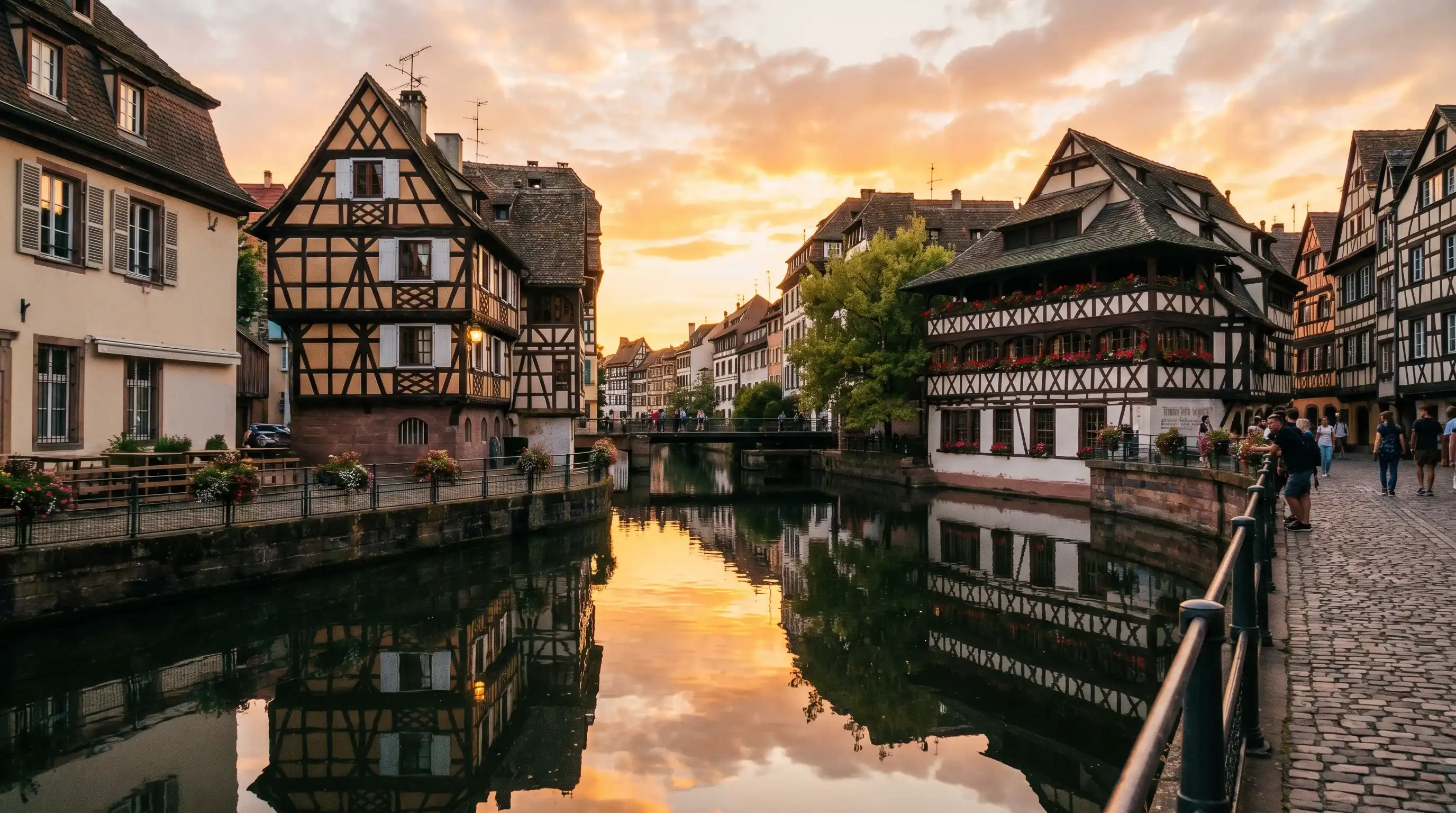
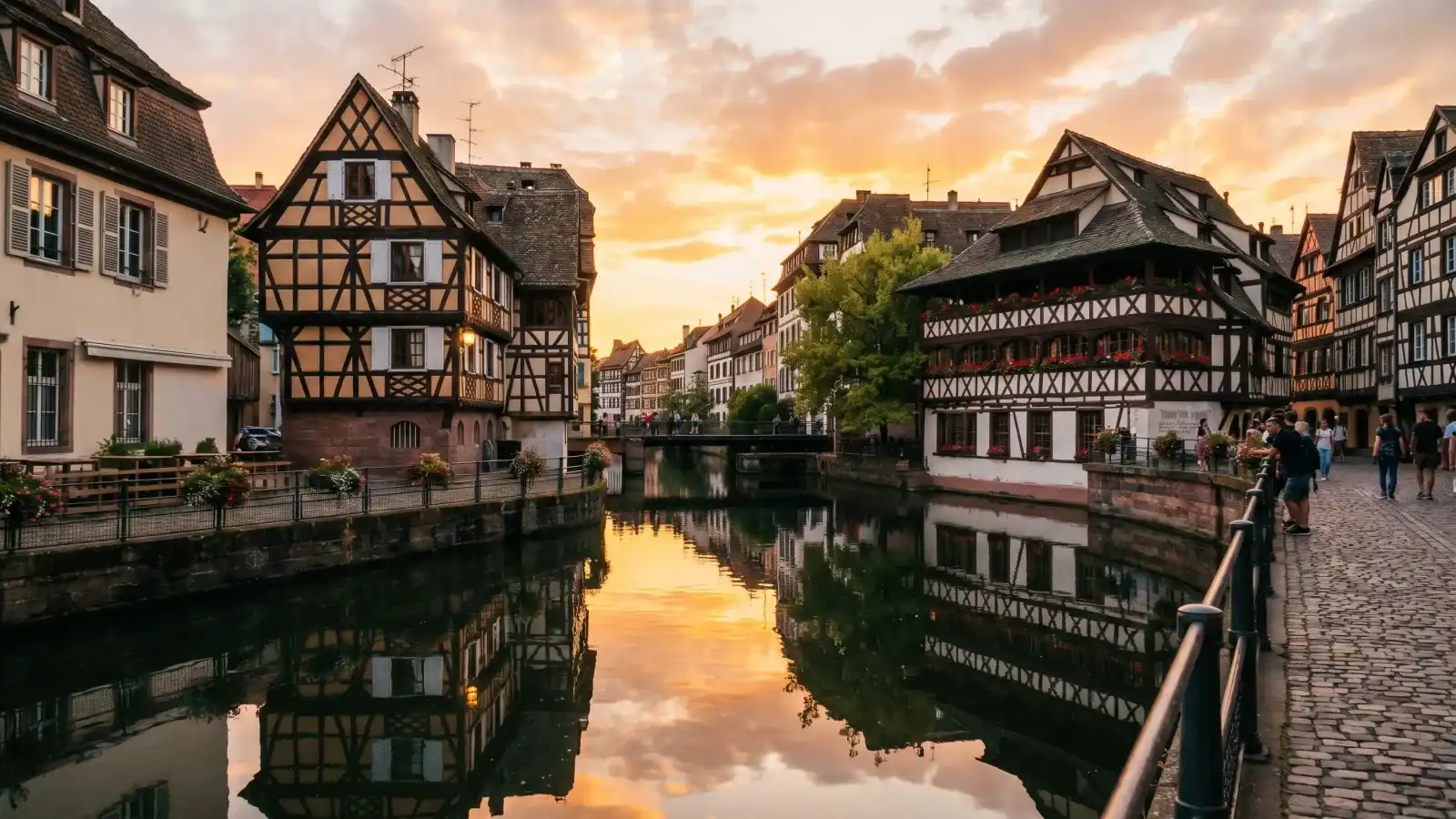
Strasbourg has enough weight to carry a full trip on its own. You have the cathedral, the canals, the Neustadt, museums, a real tram network, a larger restaurant bench, and easier one more day flexibility if the weather turns or your pacing slips. It can be the main event without apology.
Colmar is smaller, prettier in a tighter frame, and more limited. That is not an insult. In fact, it is the appeal. Colmar works best when you want a base that feels intimate, old, and visibly Alsatian from the moment you step out. The city itself is less substantial than Strasbourg, but it is better positioned for travelers who want to spend as much time on wine-route villages and smaller-town wandering as on urban sightseeing.
My planning rule is simple:
- Choose Strasbourg if you want one base that can do city break plus easy side trips.
- Choose Colmar if you want the trip to feel smaller, slower, and more village-oriented from the start.
- Choose both only if you have enough time to stop pretending every hotel change is free.
"Strasbourg is the fuller trip. Colmar is the more concentrated mood."
What It Costs
Strasbourg is usually the steadier spender. Colmar can look cheaper until you realize how quickly a smaller place pushes you toward packaged attractions, wine-village add-ons, and central old-town lodging.
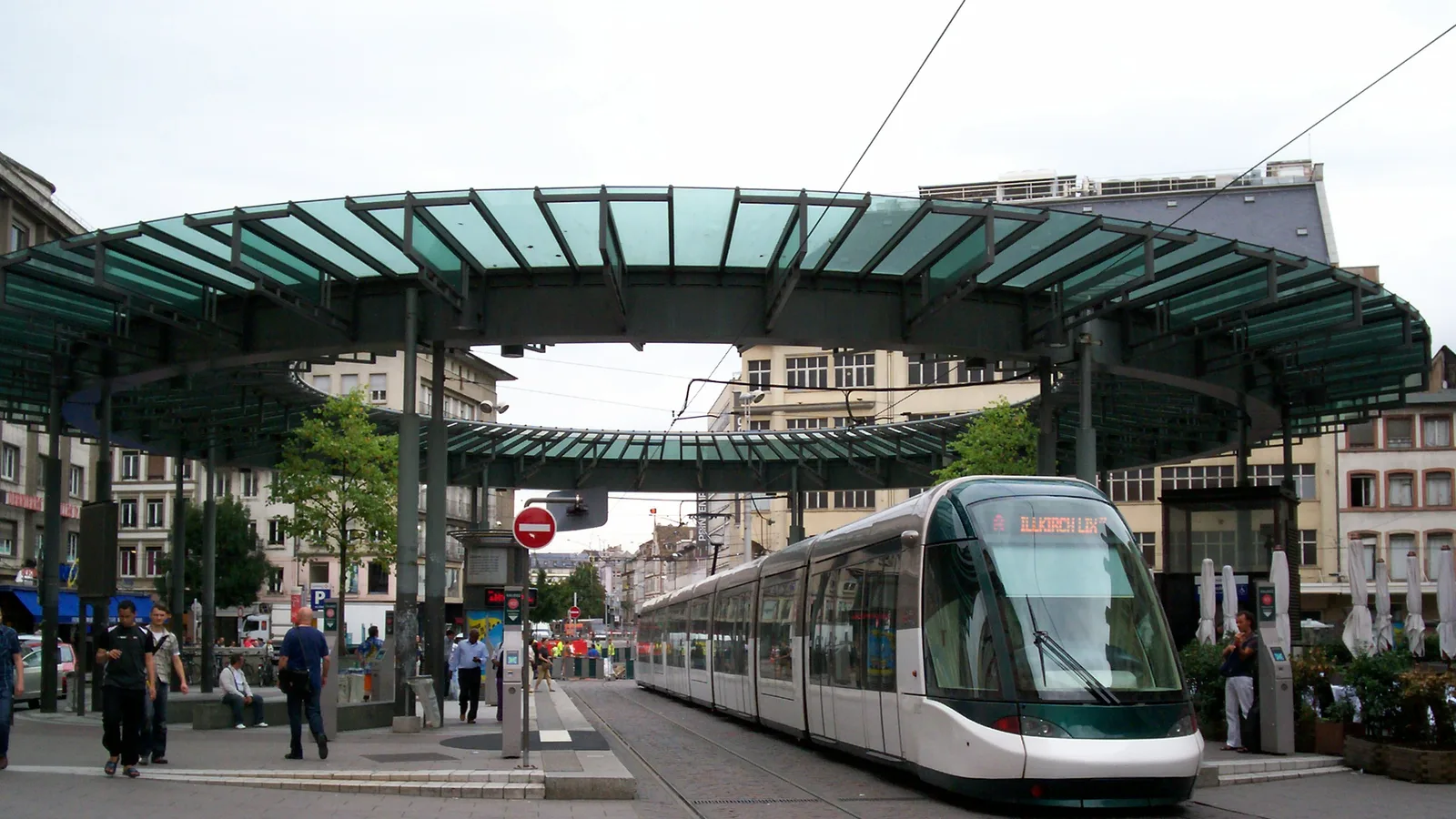
The cleanest verified number on the Strasbourg side is local transport. CTS currently lists a single ticket from €1.90, a 24h SOLO pass from €4.60, and a 72h SOLO pass from €10.20. That is useful because Strasbourg is large enough to benefit from proper urban transport, and the network actually helps.
Colmar is different. You are paying less for transit complexity because you need less of it inside the center. But some of the classic tourist add-ons are more explicit. The Colmar City Pass costs €48 and includes unlimited access to 9 museums plus one boat ride or one little tourist train ride, with activation on first use and validity across 4 consecutive days. If the trip is museum- and activity-heavy, that can make sense. If you are mostly there to walk, eat, and use Colmar as a village base, it is less automatically compelling.
For individual sights, the clearest verified Colmar anchor is the Unterlinden Museum, which charges €14 admission or €17 with the audioguide. That is a good museum and one of the strongest reasons Colmar can support more than a half-day.
My honest budget read:
- Strasbourg is the better value if you want a more complete city stay without stitching together paid add-ons.
- Colmar is better value if your ideal day is mostly walking, village-hopping, and using the old town as a calm evening base.
- If you stay in Colmar expecting it to deliver the same volume of city days as Strasbourg, you are setting the money up to feel worse.
What Each Place Does Best
Strasbourg wins on depth. Colmar wins on concentration.
In Strasbourg, the trip has more layers. You can do the cathedral and Grande Ile, drift into La Petite France, spend time in the Neustadt, use museums or tram access as weather backup, and still feel like the city has more to say. Strasbourg also carries itself like a city people live in, not only one people photograph.
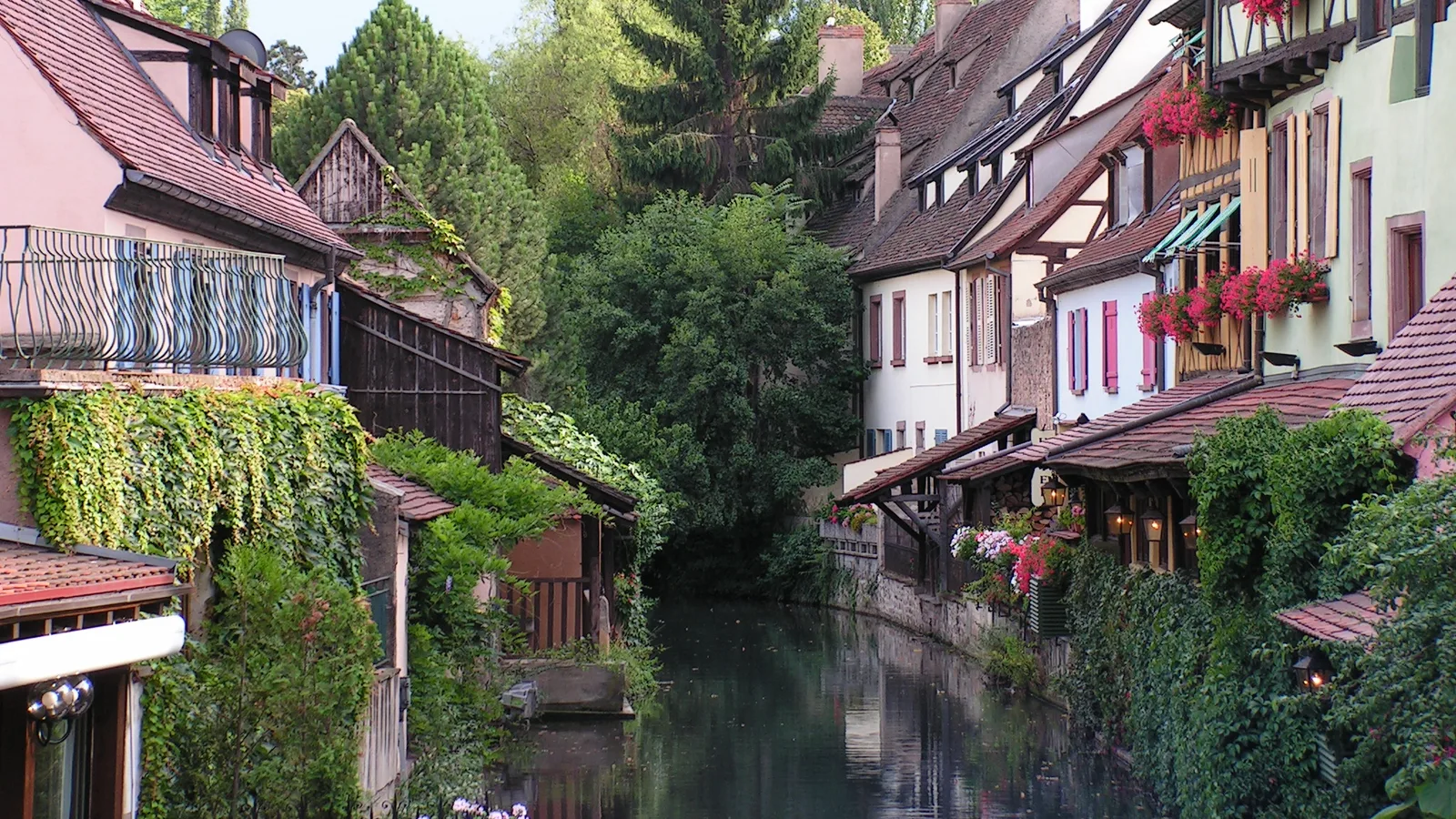
Colmar is more distilled. The old center is exactly what many readers think they want when they say they want Alsace: canals, painted facades, shutters, narrow lanes, wine references, and very little urban friction. That is a real strength. It just comes with less range. Colmar is excellent at being Colmar. Strasbourg is better at being a base.
So the choice becomes easier if you stop asking which place is prettier and ask which trip you are trying to have.
Pick Strasbourg for:
- a fuller city break
- more restaurant and rainy-day range
- better transit support
- a trip that can absorb one lazy or bad-weather day without collapsing
Pick Colmar for:
- a smaller old-town atmosphere
- a more obviously Alsatian visual payoff
- easier village-first planning
- a slower trip where wandering matters more than major-city depth
The trap is assuming Colmar is automatically the better romantic choice. Sometimes it is. Sometimes it is just smaller. If you like having more than one strong neighborhood, more than one type of day, and more than one evening energy, Strasbourg is the smarter answer.
Getting Around and Day Trips
This is where Strasbourg becomes hard to beat for most readers.
The Strasbourg tourism office explicitly lists Colmar among excursions less than 2 hours away, which is the right way to think about it. Strasbourg can hold your hotel while Colmar behaves as a clean side trip. That is a strong advantage when you do not want to repack or narrow the whole vacation around one smaller center.
Colmar still has good day-trip logic, just of a different kind. The Colmar tourism office points travelers to TRACE buses inside town, a large bus station by the rail station and municipal theater, and regional links that specifically serve places like Riquewihr, Ribeauville, Eguisheim, Rouffach, and Breisach. That is precisely why Colmar works so well for wine-route and village-heavy itineraries.
So the transport question is not which place is connected? Both are connected. The question is what kind of onward movement do you want.
- Strasbourg is better for one main city plus selected side trips.
- Colmar is better for a smaller base with repeated village spillover.
For rail-first travelers, this matters. Strasbourg is the cleaner arrival if you are coming through Paris, Germany, or a broader France route. Colmar is the cleaner base once you have already committed to Alsace as the whole focus rather than a stop on something bigger.
Where to Stay
If you only have 2-3 nights, stay in Strasbourg unless you are very sure you want the smaller-town version of the trip.
Why? Because Strasbourg gives you a real evening city, better backup options, and the ability to make Colmar a decision instead of a commitment. You can still do canals and half-timbered scenery, but you do not have to let the whole trip depend on one old-town mood holding up for multiple days.
If you have 3-4 nights and the whole point is Alsace villages, Colmar becomes much stronger. You can build a trip around Colmar, Eguisheim, Riquewihr, Ribeauville, and one or two museums without constantly feeling pulled back toward a larger city agenda.
If you have 5 nights or more, either base can work. At that point the better choice is about pace:
- Strasbourg if you want city structure plus side trips
- Colmar if you want a slower Alsace immersion with fewer moving parts
Use the Official Planning Links First
This post uses official planning sources rather than booking widgets. Check the local transport, museum, and rail links in the sidebar before you commit to a base from vibes alone.
Who Should Choose Strasbourg
Choose Strasbourg if this is your first Alsace trip and you are not trying to optimize for one very specific aesthetic.
Strasbourg is the safer recommendation for:
- first-timers who want one easy answer
- travelers arriving by long-distance train and continuing onward
- people who want better restaurant and neighborhood range
- readers who care about cathedrals, museums, and a city that can carry a full itinerary
- anyone who does not want a rainy day to ruin the logic of the base
I would also choose Strasbourg if the trip sits inside a bigger route. It plugs into a broader itinerary better and asks less of your calendar.
Who Should Choose Colmar
Choose Colmar if you already know the trip you want is the smaller, more decorative, village-heavy version of Alsace.
Colmar is the better call for:
- travelers who want a tighter old-town atmosphere
- people prioritizing wine villages and rural spillover over city scale
- slower travelers who prefer one compact base and fewer daily decisions
- readers who think Strasbourg sounds a little too urban for the mood they want
I would also choose Colmar if you actively want the trip to feel quieter once day-trippers thin out. Strasbourg can be atmospheric. Colmar makes atmosphere the main product.
What I would not do is choose Colmar because it looks better on Instagram and assume the rest takes care of itself. A photogenic base is not automatically a more useful one.
Should You Do Both
Usually, yes, but not always as two hotel bases.
For many trips, the cleanest answer is:
- Stay in Strasbourg.
- Take a day trip to Colmar.
- Decide on the ground whether you regret not sleeping there.
That is especially true on shorter trips. It lets you sample both without paying the tax of an unnecessary hotel move.
A two-base split starts making sense when:
- you have 5 or more nights in Alsace
- you want several village outings from Colmar
- you already know your trip style favors smaller centers over larger cities
What does not make sense is a one-night Strasbourg, one-night Colmar scramble where the transfer itself becomes half the memory.
The Verdict
Most readers should stay in Strasbourg and visit Colmar.
That is the honest default.
Strasbourg is the better base because it gives you more trip for the same commitment. It is easier to arrive in, easier to structure, easier to stretch, and easier to recover inside if the weather, timing, or your own energy goes sideways.
Choose Colmar instead only when the whole point of the trip is a smaller Alsace stay with village spillover and a more concentrated old-town mood.
Strasbourg is the better answer. Colmar is the more specialized one. That is the decision.