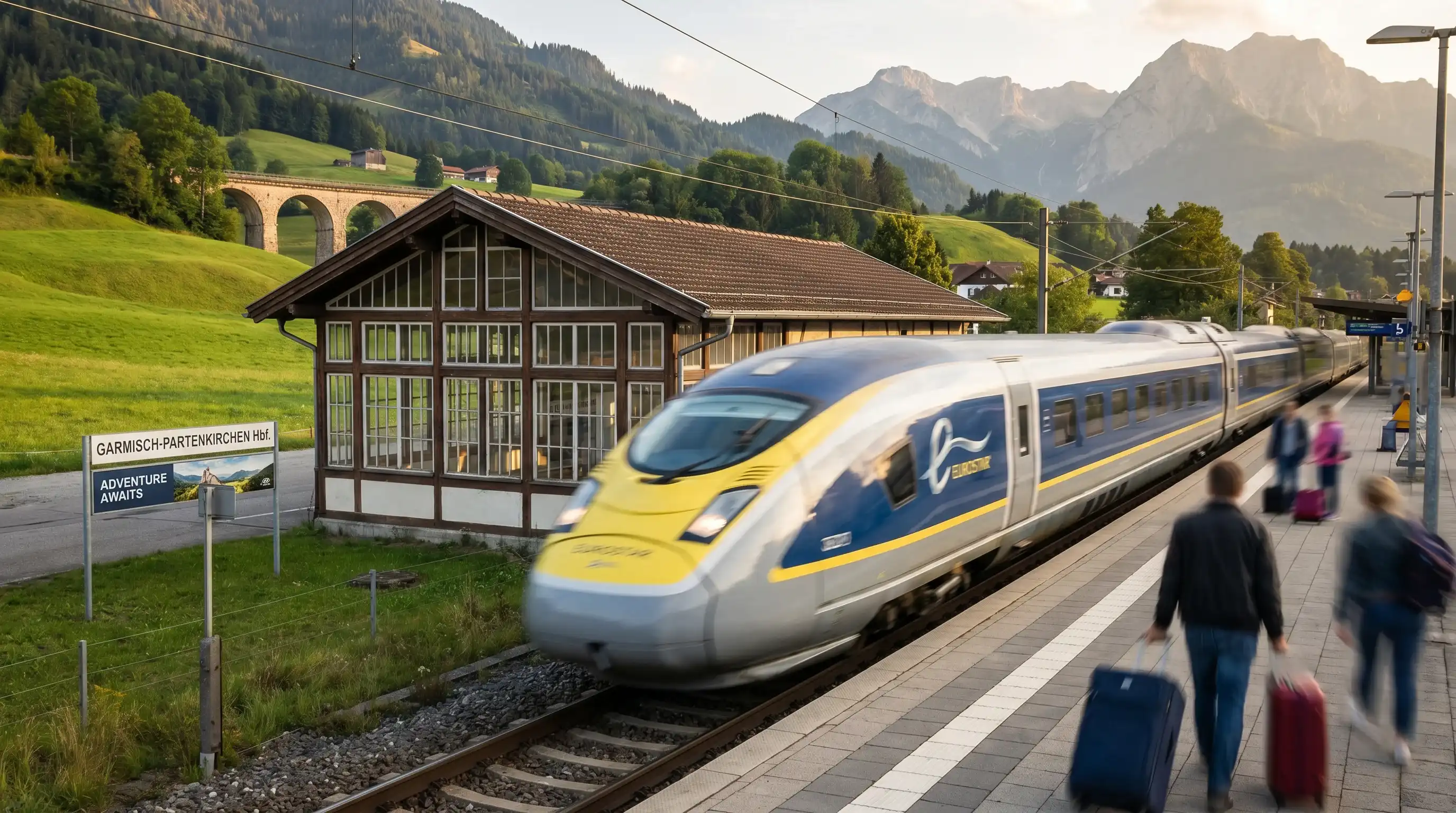
Quick Take
What you should know before you book
Vienna-Amsterdam is my best all-round European sleeper for a first trip: central stations, a useful distance, and Nightjet's full choice from couchettes to private sleepers. Paris-Berlin and Brussels-Prague work when their non-daily calendars fit. Berlin-Stockholm is the northern adventure, mainland Italy-Sicily has the unforgettable train ferry, and London-Penzance is the cleanest way to begin Cornwall. Pay for a horizontal bed if the following day matters.
- Best first sleeper: Vienna-Amsterdam on Nightjet, booked directly when sales open.
- Best unusual journey: Milan or Rome to Sicily, because the train boards the Strait of Messina ferry.
- Best cabin rule: choose a couchette or sleeper whenever you care about the arrival day.
- 2026 reality: operators, calendars, and comfort categories vary; check the operating company before building the route.
In This Guide
The best overnight train in Europe is the one that delivers a usable morning. Warm carriage windows and a dark platform supply the romance; a horizontal bed, sensible arrival, and route you already needed supply the value. My first choice is Vienna to Amsterdam on Nightjet. It covers a distance that would consume most of a day, joins two central stations, and offers a real ladder of comfort. Five other journeys earn a place for different trips: Paris-Berlin, Brussels-Prague, Berlin-Stockholm, mainland Italy-Sicily, and London-Penzance. This guide explains what each route feels like, who should book it, which seasonal or non-daily trap to check, and when a couchette or private sleeper protects the destination day. Choose the route first, then reserve with its operating company as soon as your date opens.
1. Vienna to Amsterdam: The Best First European Sleeper
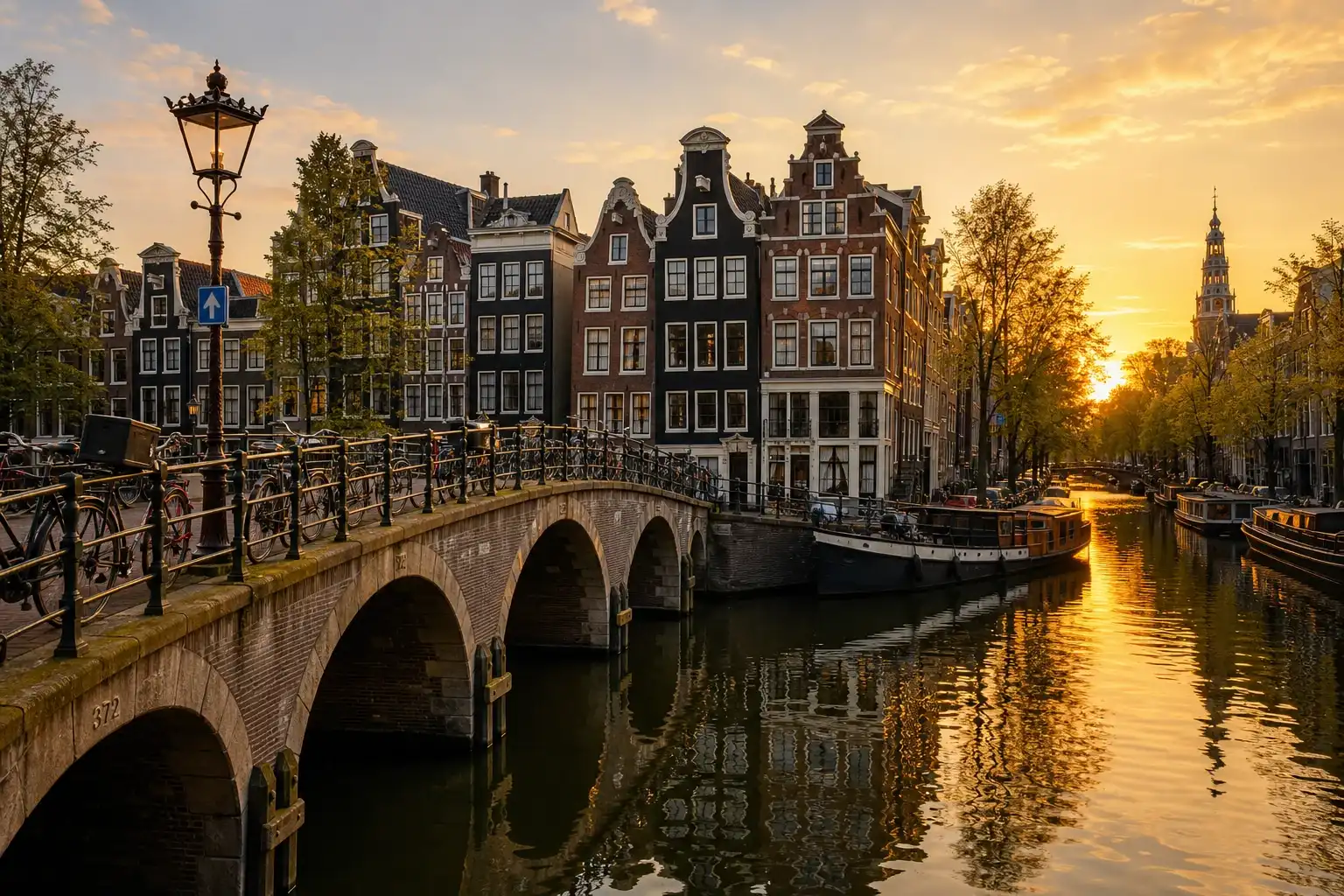
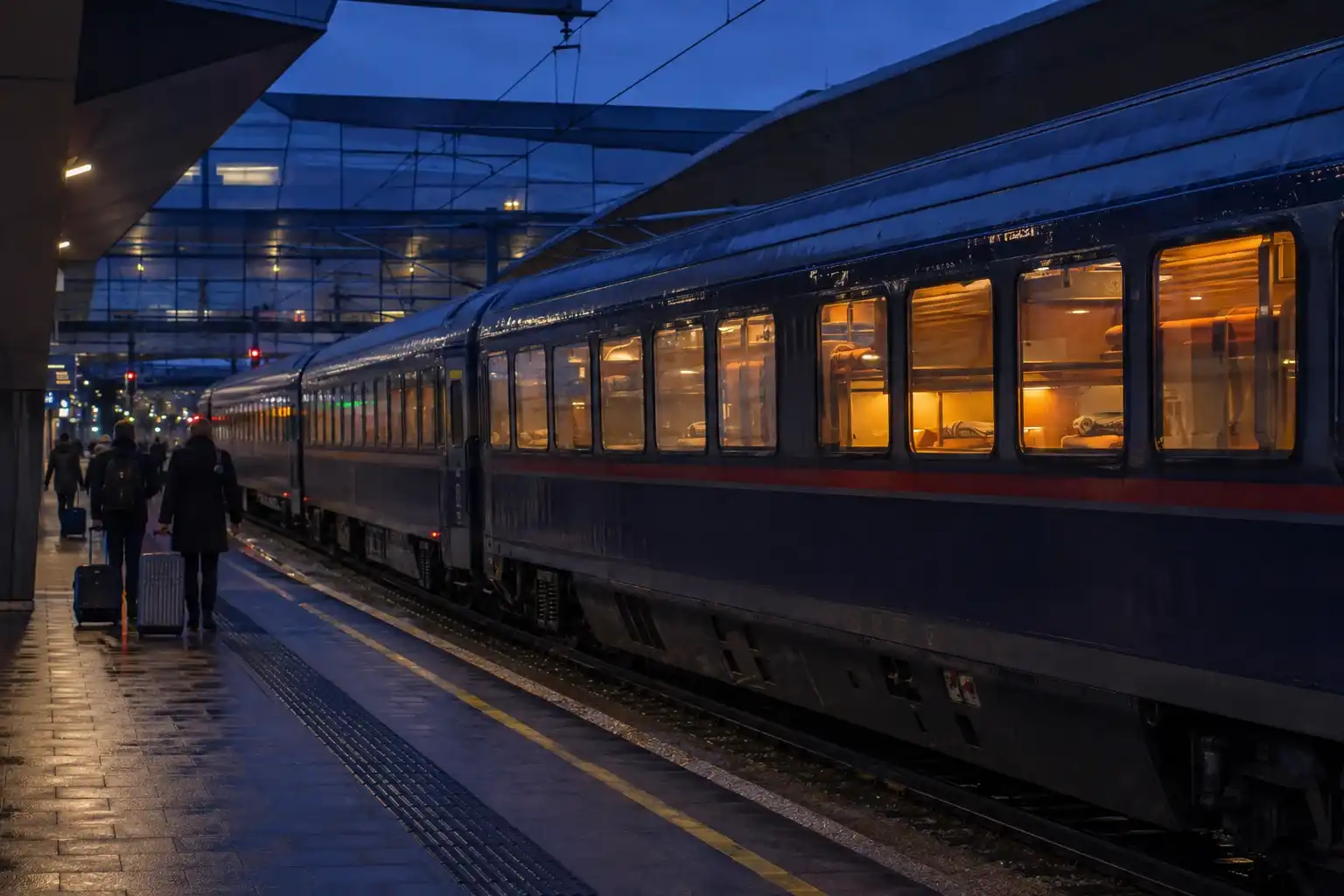
Vienna Hauptbahnhof settles down without becoming sleepy. Commuters thin out, the bakery shutters lower, and a dark-blue overnight train waits under the station lights with made-up beds behind warm windows. By the following morning, canals, bicycles, and the broad platforms around Amsterdam Centraal have replaced the Danube. This is the cleanest introduction to what a European sleeper can do: connect two trips while the traveler is already in bed.
I recommend Vienna-Amsterdam for first-time sleeper passengers because Nightjet offers seats, couchettes, Mini Cabins on equipped trains, and sleeper compartments. The range lets a solo traveler, couple, or family buy the amount of privacy the next day deserves. A private sleeper is the reassuring choice for a special trip. A couchette is the better value when sharing feels acceptable.
The warning is availability. Nightjet says sales generally open 180 days before departure, with shorter windows possible around the December timetable change. Good private cabins and lower-cost berths disappear before ordinary seats. Put the date in your calendar, search Vienna to Amsterdam directly with Nightjet, and book the bed before filling in low-consequence museum slots.
2. Paris to Berlin: The Capital Pair That Saves a Day
Paris Nord in the evening and Berlin Gesundbrunnen after breakfast is a satisfying piece of geography. Dinner can still happen in Paris; the next day’s first coffee belongs in Berlin. The route replaces an airport transfer on both ends and preserves daylight for the cities themselves, which is exactly how a night train should justify the disruption of sleeping on rails.
European Sleeper currently operates the direct Paris-Berlin train three times a week in each direction. Its 2026 standard timetable lists Paris departures on Tuesday, Thursday, and Sunday, with Berlin departures on Monday, Wednesday, and Friday. I recommend this train when both capitals are already part of the itinerary and the operating pattern fits cleanly. It is a poor foundation for a rigid trip that assumes service every night.
The Berlin arrival uses Gesundbrunnen, north of the ceremonial center but connected by S-Bahn and regional trains. Check the exact station before choosing a hotel or promising yourself an early Reichstag visit. Then book directly through European Sleeper. A berth beats a seat here; Paris and Berlin both deserve a traveler who can remain awake past lunch.
3. Brussels to Prague: The Best Sleeper for a Connected Route
Brussels-Prague has more intermediate possibilities than its endpoints suggest. The train runs through the Netherlands and Germany, serving places including Antwerp, Utrecht, Amsterdam, Berlin, Dresden, and the Elbe valley approach toward Prague. At night the corridor feels continental in the literal sense: languages change in the aisle, stations appear beyond the curtain, and several credible city trips sit on the same line.
I recommend the full Brussels-Prague journey for travelers building a longer Benelux-to-Central-Europe route. European Sleeper’s current standard pattern is three departures each week in each direction. That makes it useful rather than casual. Choose an intermediate stop when ten or more hours aboard adds novelty without improving the itinerary. Amsterdam-Berlin or Berlin-Prague may fit a shorter holiday more naturally, depending on the live timetable.
Read the station names as carefully as the cities. Amsterdam service may use Bijlmer ArenA rather than Centraal on a given working timetable, and engineering changes can alter times. Search the exact date and boarding point on European Sleeper, then leave generous room around any separate connection. A night train is allowed to be late; your next nonrefundable train is under no obligation to be sympathetic.
4. Berlin to Stockholm: The Northern Adventure
The Scandinavian sleeper has its own visual rhythm. Berlin disappears late, Copenhagen and Malmö mark the crossing into the north, and pale summer light can begin working around the blind before the body agrees that morning has arrived. Stockholm at the end gives the long ride a worthy destination: islands, ferries, granite streets, and water immediately beyond the station area.
Snälltåget’s Berlin-Copenhagen-Stockholm night train is my choice for travelers who want the journey itself to be a major part of a northern trip. In 2026 it runs on published seasonal dates rather than every day of the year; the operator currently lists service through December before a winter pause. Some departures also begin in Dresden, and all stop in Hamburg.
Shared berths and private compartments feel more like classic European couchettes than a compact hotel room. Snälltåget says a private compartment can hold up to six, while shared compartments also use six berths. Couples buying the whole space gain privacy and room; solo travelers should compare one berth with the private-compartment price shown for the exact date. Check the calendar first, carry the required passport or accepted national ID, and avoid designing a northern itinerary around a train that does not operate that week.
5. Milan or Rome to Sicily: The Train That Boards a Ferry
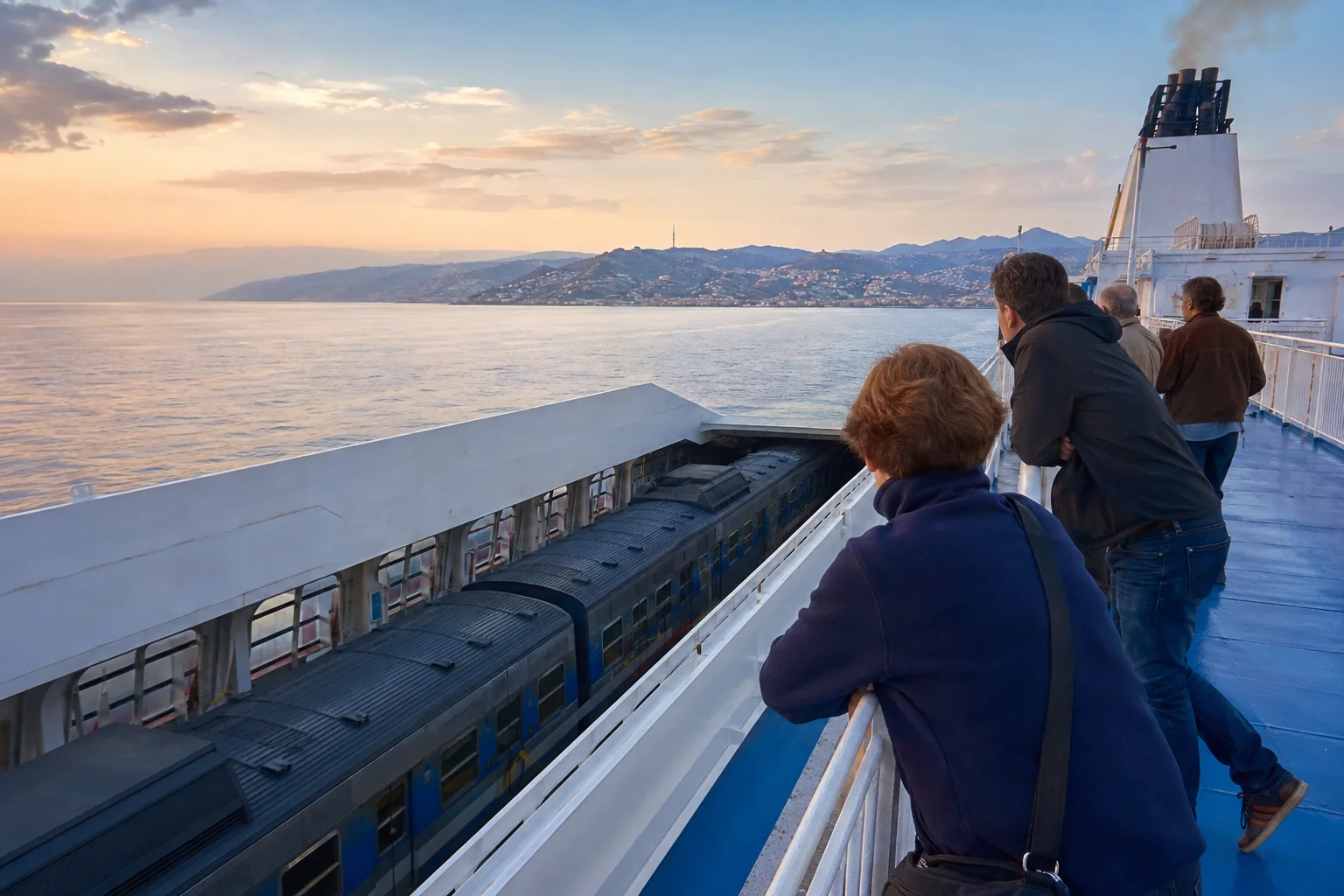
Near the Strait of Messina, the night’s strangest and best transition begins. The train carriages are divided, rolled onto a ferry, and carried across the water. Passengers can step onto the deck while Calabria recedes and Sicily sharpens in the early light. After the crossing, the railway continues toward Palermo on the north coast or Catania and Syracuse on the east. Few scheduled journeys make the mechanics of crossing a country this visible.
This is my most memorable recommendation, based on the route itself. Trenitalia currently lists Intercity Notte services from Milan and Rome to Messina, Palermo, and Syracuse. Its Sicily information says the train-ferry crossing takes about 30 minutes, though the full shunting and crossing process occupies more of the journey.
Book a couchette or sleeper compartment. The mainland-to-island run is long, and saving money on a seat can spend the first Sicilian day in a fog. Choose Palermo for markets, Arab-Norman architecture, and the western side; choose Syracuse or Catania for the southeast and Mount Etna. Check Trenitalia’s live schedule for engineering changes before departure, especially when the timetable itself is a central part of the experience.
6. London to Penzance: The Best Beginning to Cornwall
The Night Riviera leaves London Paddington with the subdued formality of a British railway ritual. Cabins are compact, the lounge pours the last drinks of the evening, and the western suburbs eventually give way to darkness. Morning returns near Cornwall, where granite towns, coves, and Atlantic weather feel convincingly far from London despite sharing the same country.
I recommend London-Penzance when Cornwall is the actual destination. Great Western Railway says the Night Riviera operates six nights a week. Cabin passengers receive access to lounges at Paddington, Penzance, and Truro, and GWR lists shower facilities at those lounges. That can turn an early arrival from an endurance test into a credible first coastal day.
The route makes less sense as a novelty detour from a continental itinerary. Cornwall needs time of its own, and Penzance works best as a gateway to places such as St Ives, Mousehole, and the Penwith coast. Reserve a cabin directly with GWR, confirm the arrival-day local connection, and keep the morning gentle. Atlantic weather is capable of editing plans with no concern for your reservations.
Choose the Cabin for the Day You Want Afterward
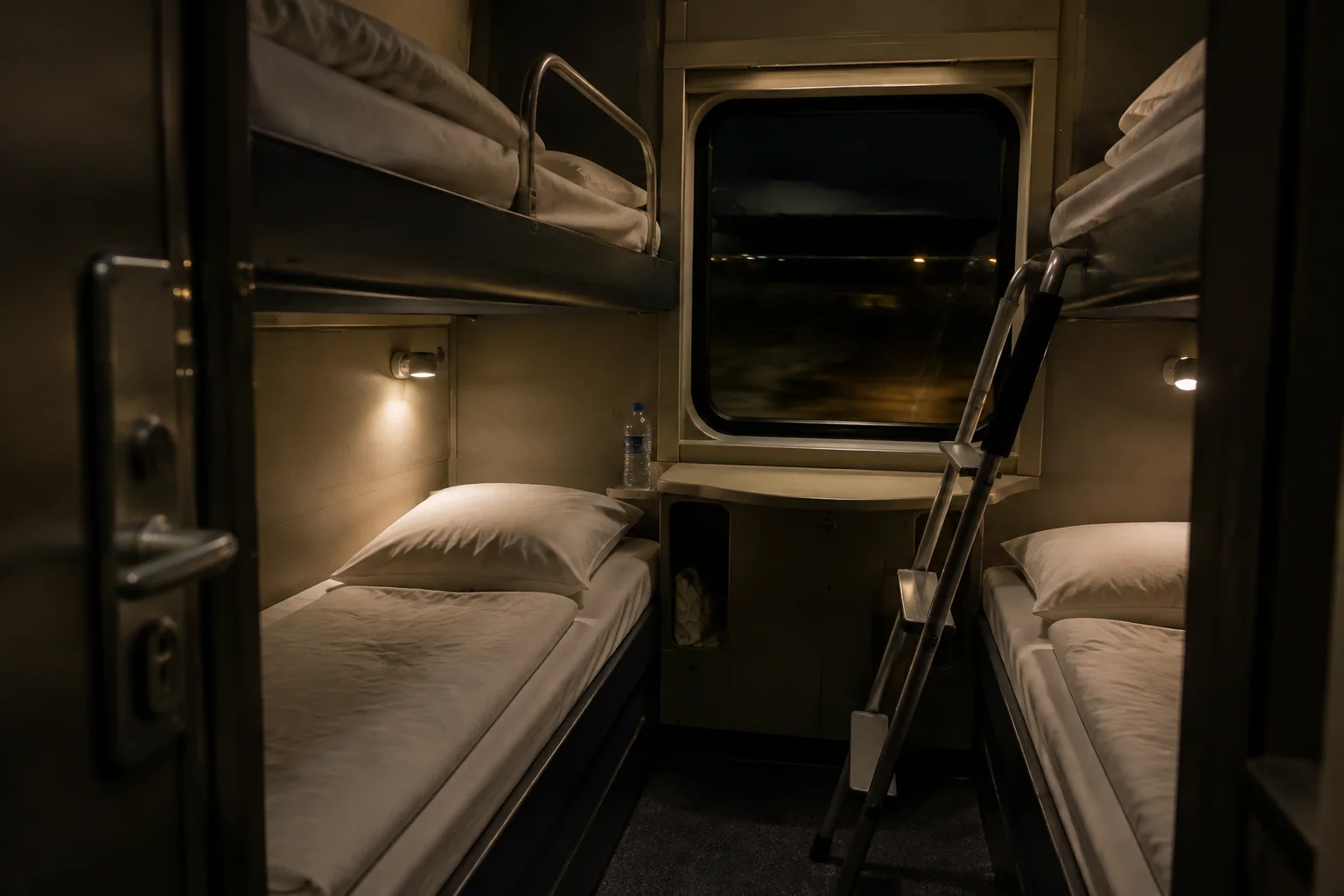
Night-train labels vary by operator, yet the practical hierarchy stays recognizable. A seat gives the lowest price and the weakest chance of useful sleep. A couchette or shared berth gives a horizontal bunk, bedding, and several companions. A sleeper compartment usually reduces the number of people and may add a washbasin, breakfast, or private bathroom. A private compartment buys control over noise, light, luggage, and who climbs the ladder at 2:00 a.m.
My default is a couchette for a flexible trip and a private sleeper when the arrival day contains something I would regret missing. A seat works for a late-evening or early-morning hop where sleep is a bonus. It is false economy on a long international run followed by museums, driving, hiking, or an expensive lunch reservation.
Inspect what the operator actually sells on your train. Nightjet comfort categories can differ between new and older carriages. European Sleeper, Snälltåget, Trenitalia, and GWR use their own names and inclusions. Compare the total compartment price when traveling as a couple or group; the private option can become more reasonable once several individual berths are counted. Bring water, earplugs, an eye mask, a small cable lock for reassurance, and a layer you can add without unpacking the carriage floor.
My Overnight-Train Verdict
Start with Vienna-Amsterdam if you want one European sleeper that demonstrates the case clearly. Book a couchette or sleeper, use Nightjet’s normal 180-day window as the planning trigger, and arrive with enough sleep to enjoy the canals rather than merely identify them.
Choose the other trains for the trip they uniquely improve. Paris-Berlin protects time in two capitals. Brussels-Prague creates a connected west-to-central corridor. Berlin-Stockholm makes the northward journey part of the holiday. The Sicily service puts the train on a ferry. London-Penzance begins Cornwall without surrendering a daylight travel block.
Then apply one test: picture the first six hours after arrival. If the train, cabin, and timetable make those hours better, book it with the operator. If the cheapest seat leaves you paying for a destination day you cannot enjoy, buy the bed or take a daytime train. Romance lasts until breakfast. A useful morning lasts until dinner.