Quick Take
What you should know before you book
Prague works best when you treat Old Town as the opening act, not the whole trip. I would stay in Mala Strana, Vinohrady, or Zizkov, buy the PID app pass if you will use transit, book the castle only when timing matters, and spend at least one afternoon outside the busiest postcard streets.
- Best trip length: 3 full days for a first visit; 4 if you want slower neighborhoods, galleries, or a beer-focused day.
- Transit reality: 24-hour passes cost 150 CZK on paper (~€6) or 140 CZK in the PID Litacka app (~€5.50); 72-hour passes cost 350 CZK on paper (~€14) or 340 CZK in-app (~€13.50).
- Headline tickets: Prague Castle's basic tour is 450 CZK (~€18); the Jewish Museum Prague adult ticket is 600 CZK (~€24).
- Best-value bases: Vinohrady and Zizkov for price and food, Mala Strana for atmosphere, Old Town only if convenience beats noise.
In This Guide
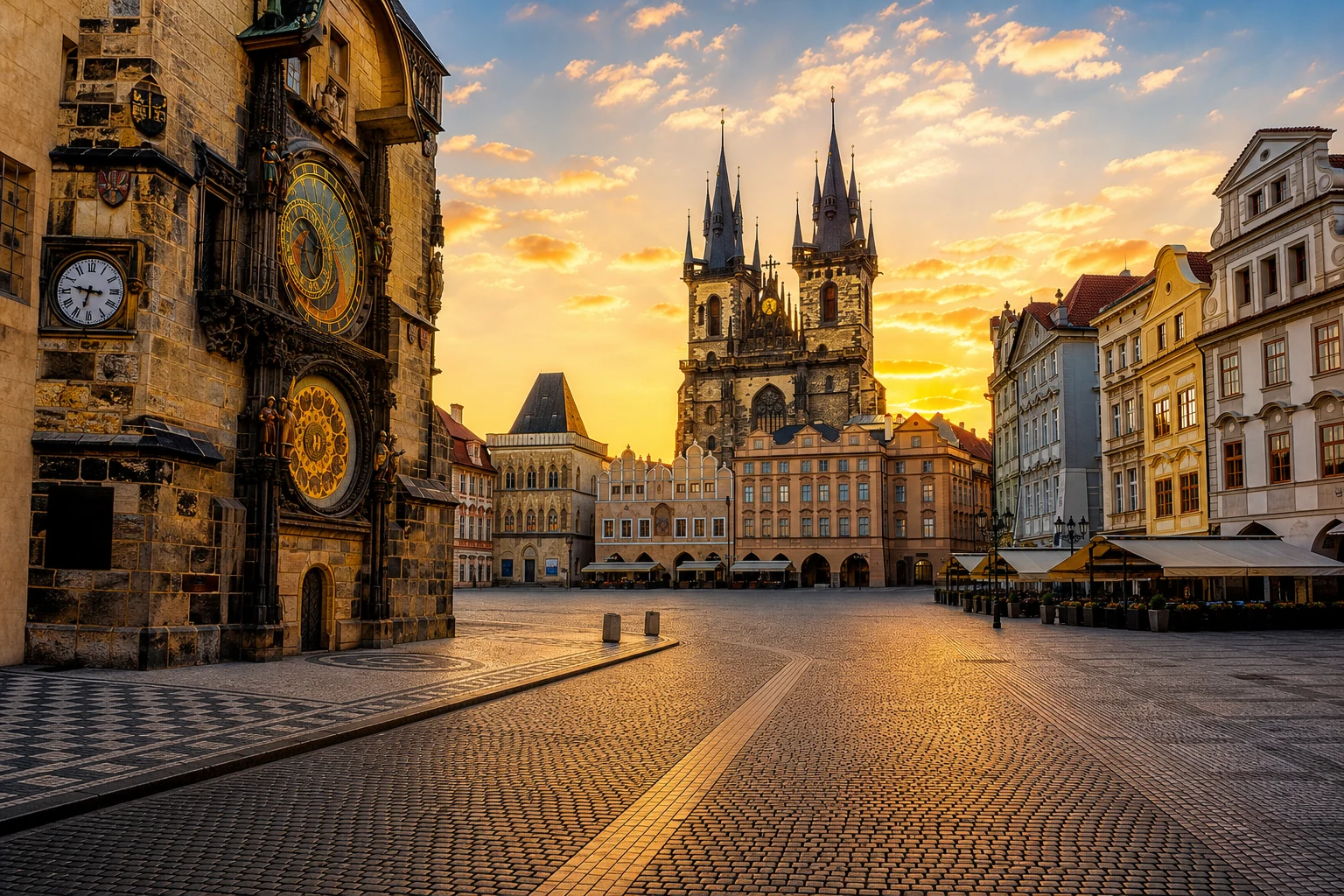
I’ve spent a fair amount of time in Central Europe, and Prague still catches me off guard every time. It is the kind of city that looks like a film set: Gothic spires, pastel Baroque facades, a river with bridges that have been standing longer than most countries. But unlike a lot of places that look that good, Prague is also still genuinely good value. A proper sit-down lunch away from the most tourist-loaded streets can run 200-250 CZK (€8-10). A half-liter of Pilsner Urquell at a local pub is often 55-75 CZK (€2-3). When I first visited, I kept double-checking the prices assuming I was misreading the Czech koruna.
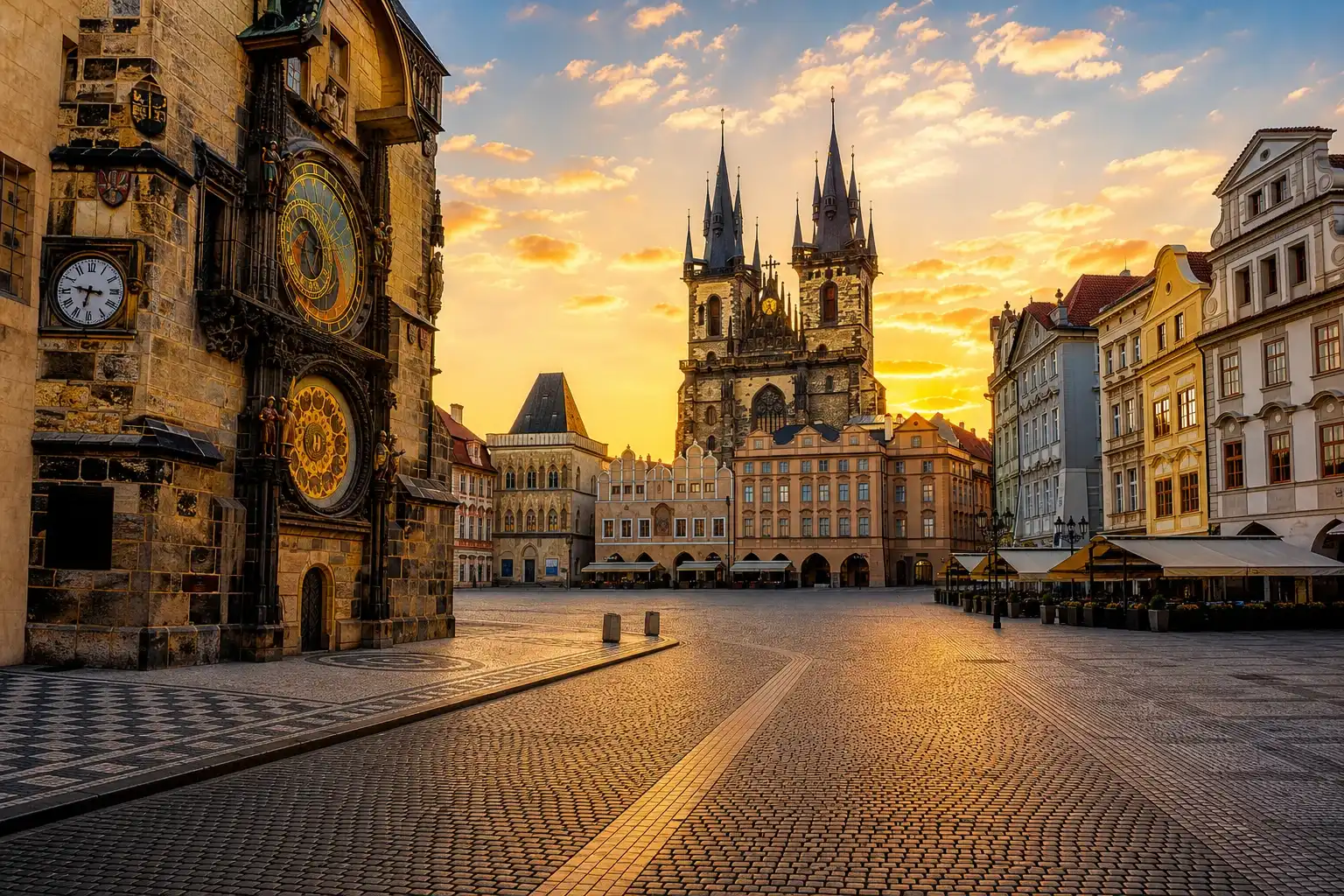
The challenge with Prague is not finding things to do. It is sorting the good city from the tourist machine that has grown up around Old Town Square. Prague rewards you most when you see the postcard core early, use the tram when the hills get annoying, and give yourself time in neighborhoods where the city is not performing quite so hard.
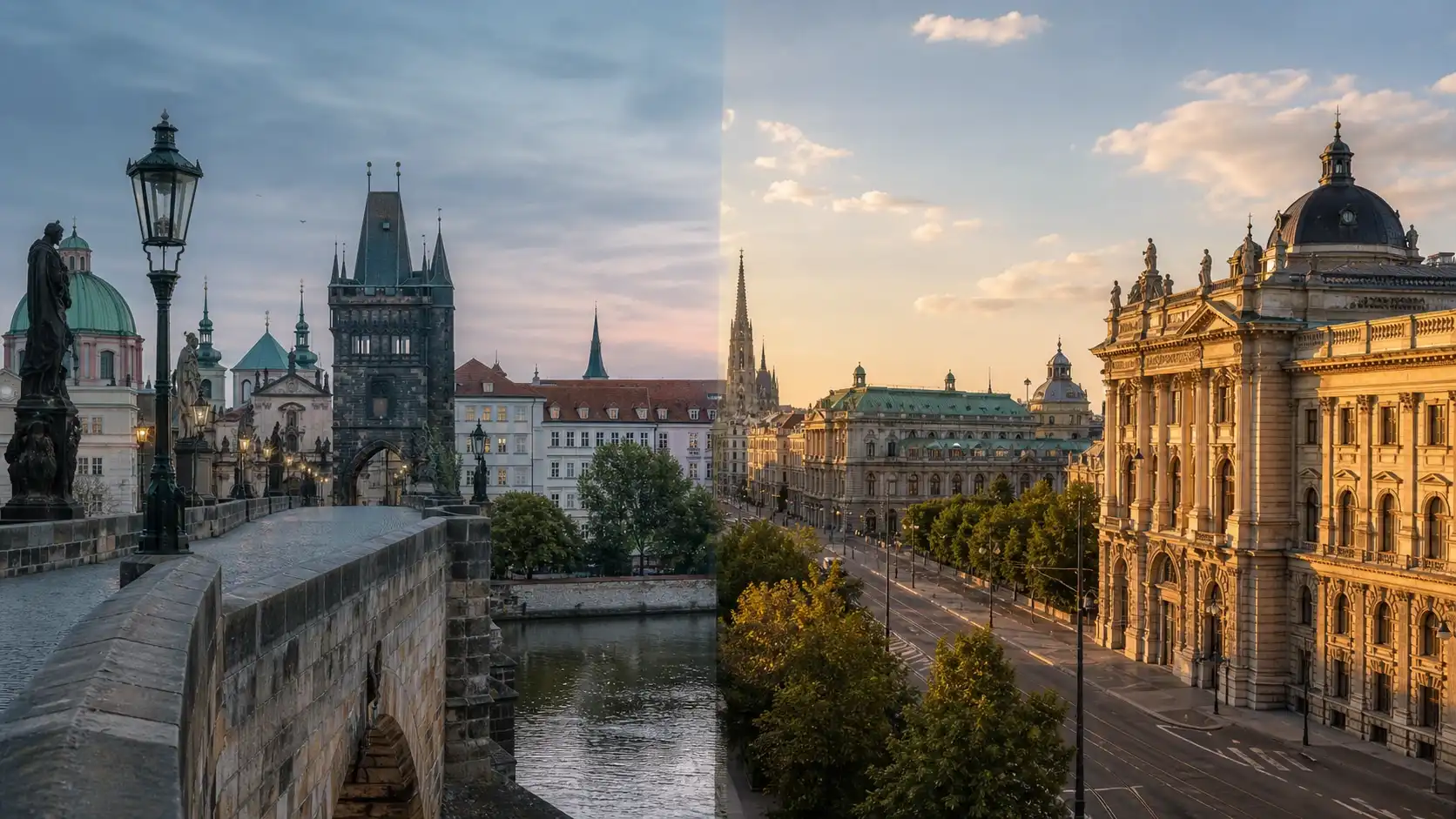
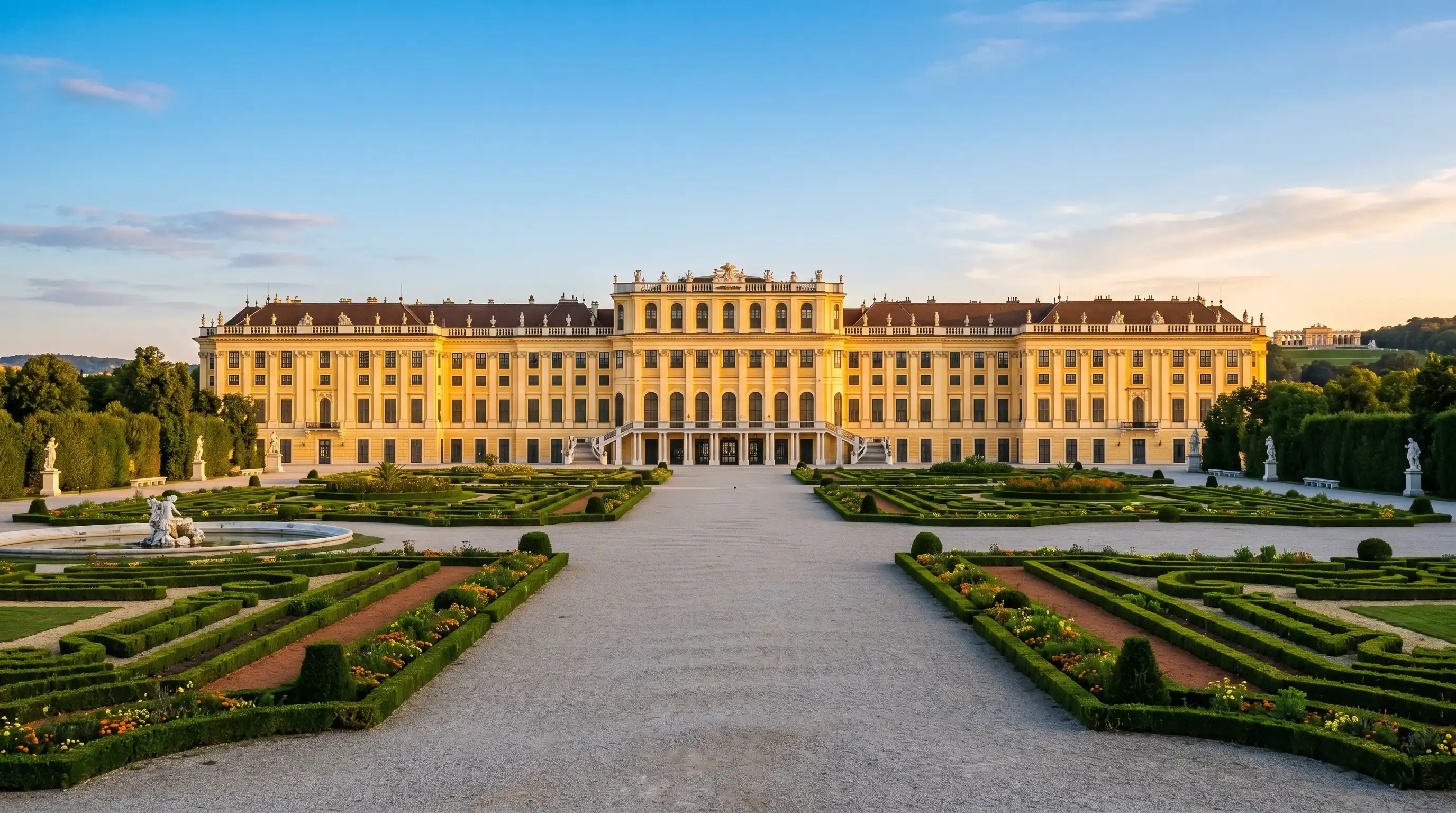
If you are building this into a wider Central Europe trip, decide early whether Prague is pairing with Vienna, Budapest, or both. Prague overlaps with Vienna on grand architecture and museums, but wins on value and neighborhood texture; Budapest gives you the bigger contrast in nightlife, baths, and skyline drama. If that is your real planning question, read this guide alongside my Prague vs Vienna comparison, the Vienna weekend guide, and the Budapest travel guide.
Getting There
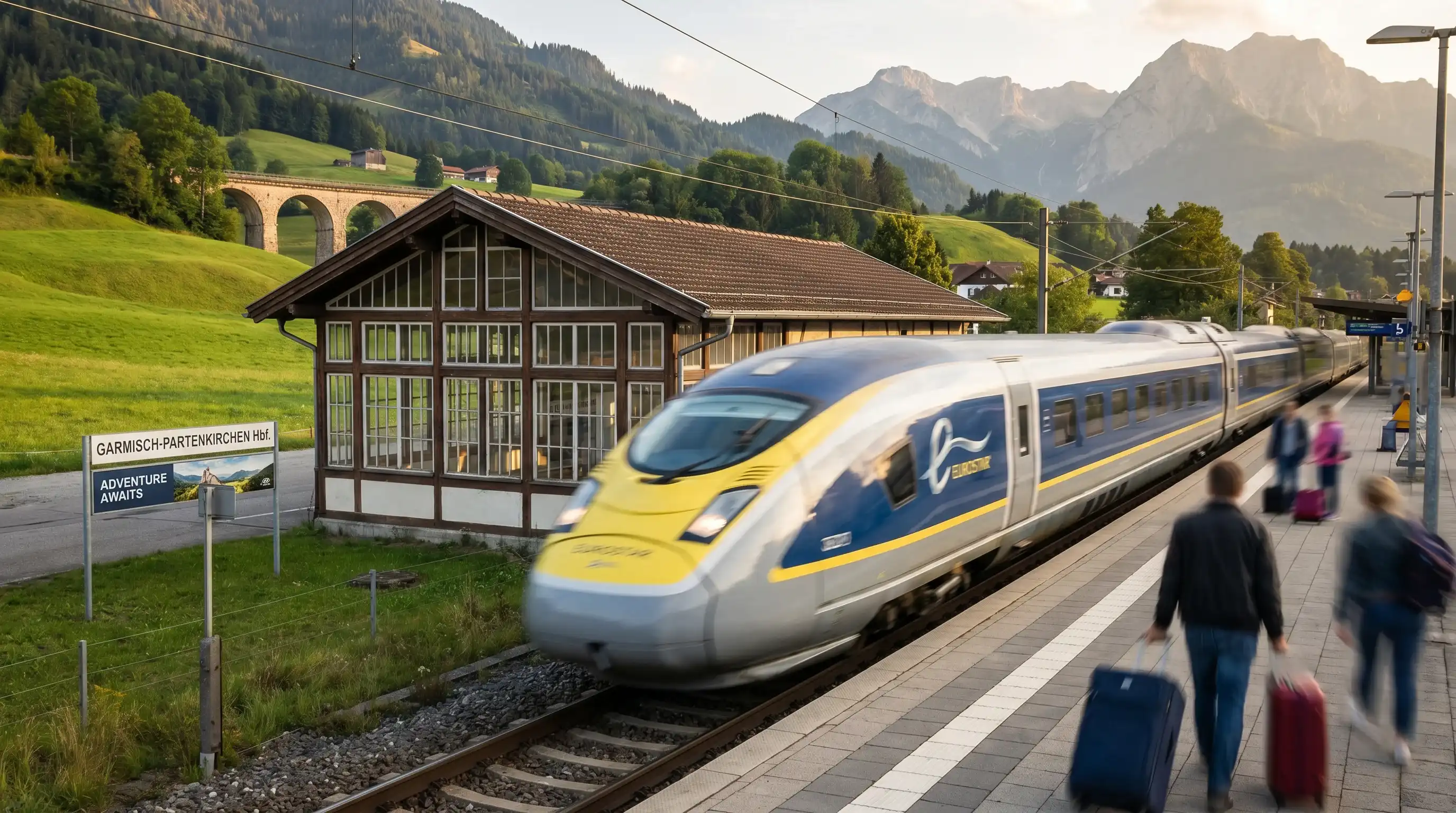
Prague is easy to reach by rail from much of Central Europe, especially if you are already in Germany, Austria, Poland, Slovakia, or Hungary. Prague hlavni nadrazi, the main station, sits close enough to the center that you can arrive, buy a transit ticket, and be at most central hotels without a complicated airport-style transfer.
From Berlin, direct trains usually take about 4.5 hours. From Vienna, Railjet and EuroCity services are usually around 4 hours. From Munich, the common rail route takes about 5.5-6 hours. From Stuttgart, Prague is still doable in a day, but it is a longer 7-8 hour trip with a transfer, often through Nuremberg or Munich.
If you are deciding between train and flight, compare door-to-door time rather than flight time. Prague Airport is efficient enough, but airport transfers, security, and buffer time erase a lot of the advantage on short-haul routes. For most nearby city pairs, the train is the cleaner choice unless the airfare is dramatically cheaper or you are coming from farther away.
Prague rail fares can be very reasonable when booked ahead, but the best route is not always the one with the lowest headline price. Check the transfer city, total journey time, and whether you are buying from the operator or an aggregator. If you are building a wider Europe trip, the broader booking logic in this guide to traveling Europe by train applies here too.
Getting Around Prague
Prague’s public transit — metro, trams, and buses — is well-organized and cheap. The official PID fares still make the city easy to handle without taxis: a 24-hour pass costs 150 CZK on paper (€6) or 140 CZK via the PID Litacka app (€5.50), and a 72-hour pass costs 350 CZK on paper (€14) or 340 CZK in-app (€13.50). For a 3-4 day trip, buy the 72-hour pass and stop thinking about individual rides.
From Vaclav Havel Airport, the public-transport move is trolleybus 59 to Nadrazi Veleslavin, then metro Line A into the center. The route uses the standard 90-minute PID fare, and the ride is simple enough that I would only choose a taxi if you arrive very late, have heavy luggage, or are staying somewhere awkward for transit.
The metro has three lines (A, B, C) that connect the main areas. Line A (green) is the most useful for many visitors, running through Old Town and Mala Strana and connecting with the airport bus at Nadrazi Veleslavin. Trams fill in everywhere else. Tram 22 is the classic castle-route tram, though Prague has temporary service changes around the castle area in 2026, so check the PID app before assuming the exact stop will be operating.
Most of the historic center is walkable in 20-30 minutes, but Prague’s hills are real. Coming from the Vltava riverbank up to the castle involves a proper climb. Either take the tram or budget your legs accordingly.
What to Actually Do
Prague Castle
Everyone goes to the castle, and there is a reason for that: it is enormous and genuinely impressive. The castle complex itself is free to enter. What costs money are the interior circuits: the main circuit, covering St Vitus Cathedral, the Old Royal Palace, St George’s Basilica, and Golden Lane, is still 450 CZK (~€18) for adults on the current official price list. Those tickets are valid for 2 days, which makes the visit easier to split around weather or crowds. You do not need to pre-book on an ordinary weekday, but it is worth booking ahead for summer weekends, holidays, or any day when your schedule is tight.
One thing worth knowing: most first-timers walk up to the castle from Mala Strana. It is scenic, but it is also the obvious tourist route. If transit is running normally, the tram approach saves your legs and puts you near the upper side of the complex. In 2026, check the latest PID routing before you go because tram work around the castle area can change the cleanest stop.
Charles Bridge
Charles Bridge is obligatory but best visited early — before 8am if you can manage it. By 10am it’s a shoulder-to-shoulder corridor of selfie sticks and vendors selling overpriced magnets. Walk it at dusk too; the light on the castle from the bridge is one of the better views in the city.
Josefov (Jewish Quarter)
The Jewish Quarter is one of the most historically significant areas in Central Europe. The Old Jewish Cemetery, Pinkas Synagogue, the Old-New Synagogue, and the surrounding museum sites are not quick filler stops; give them real time. The standard adult ticket for the Jewish Museum Prague is still 600 CZK (~€24), and the current individual/family ticket stays valid for 3 days, which makes it easier to split the cemetery and synagogue visits across two lighter mornings. It is genuinely moving in a way that a lot of European history sites are not: no reenactments, no sanitizing, and very little hand-holding.
Vinohrady and Zizkov
If you want to understand what Prague looks like when it’s not performing for tourists, spend an afternoon in Vinohrady. It’s a residential neighborhood with good coffee shops, wine bars, and the Riegrovy Sady park, which has one of the better views of the city from a beer garden that’s been there for decades. Zizkov next door has the Prague TV Tower — one of the stranger-looking pieces of architecture you’ll encounter anywhere, with bronze crawling babies on the exterior — and a pub density that locals take seriously.
Skip the Castle Queue
If you are visiting in June, July, August, or around a holiday weekend, pre-booked Prague Castle tickets can save meaningful time. If you are visiting midweek in shoulder season, you can often keep this flexible.
Where to Eat
Czech food does not get nearly enough credit. The core of it is roast pork, duck, svickova (beef sirloin in a cream sauce with bread dumplings), and goulash: hearty, filling, and genuinely good when done right. The trick is avoiding the places in Old Town that hang laminated photo menus outside. Those are usually priced for foot traffic, not for a good meal.
Nase Maso in the Josefov area is a butcher-deli hybrid that does excellent open-faced sandwiches and charcuterie at prices that feel almost too low for the quality. Go at lunch, expect a short queue.
Krcma near Old Town Square is one of the better spots for traditional Czech food without the tourist markup — roasted pork knee, dark beer on tap, stone walls. It’s popular so arrive before 7pm or have a reservation.
Lahudky Zlaty Kriz in Nove Mesto is a classic Czech delicatessen, open weekdays, where locals grab open sandwiches and cold cuts. Lunch for under 150 CZK (~€6) is still realistic. It is not atmospheric, but it is the real thing.
For coffee, Vinohrady has a concentration of good third-wave places, and the neighborhood is useful because it gives you a break from the Old Town rhythm. Kavarna Co Hleda Jmeno has been around for years and remains one of the better options.
"Prague is still good value, but the value is not evenly distributed. Step two tram stops away from the postcard core and the city starts making a lot more sense."
Where to Stay
Stare Mesto (Old Town) is the most convenient base because you can walk to the big sights. It is also the noisiest, most crowded, and most expensive. Stay here if convenience is the whole point, but do not treat it as the automatic best answer.
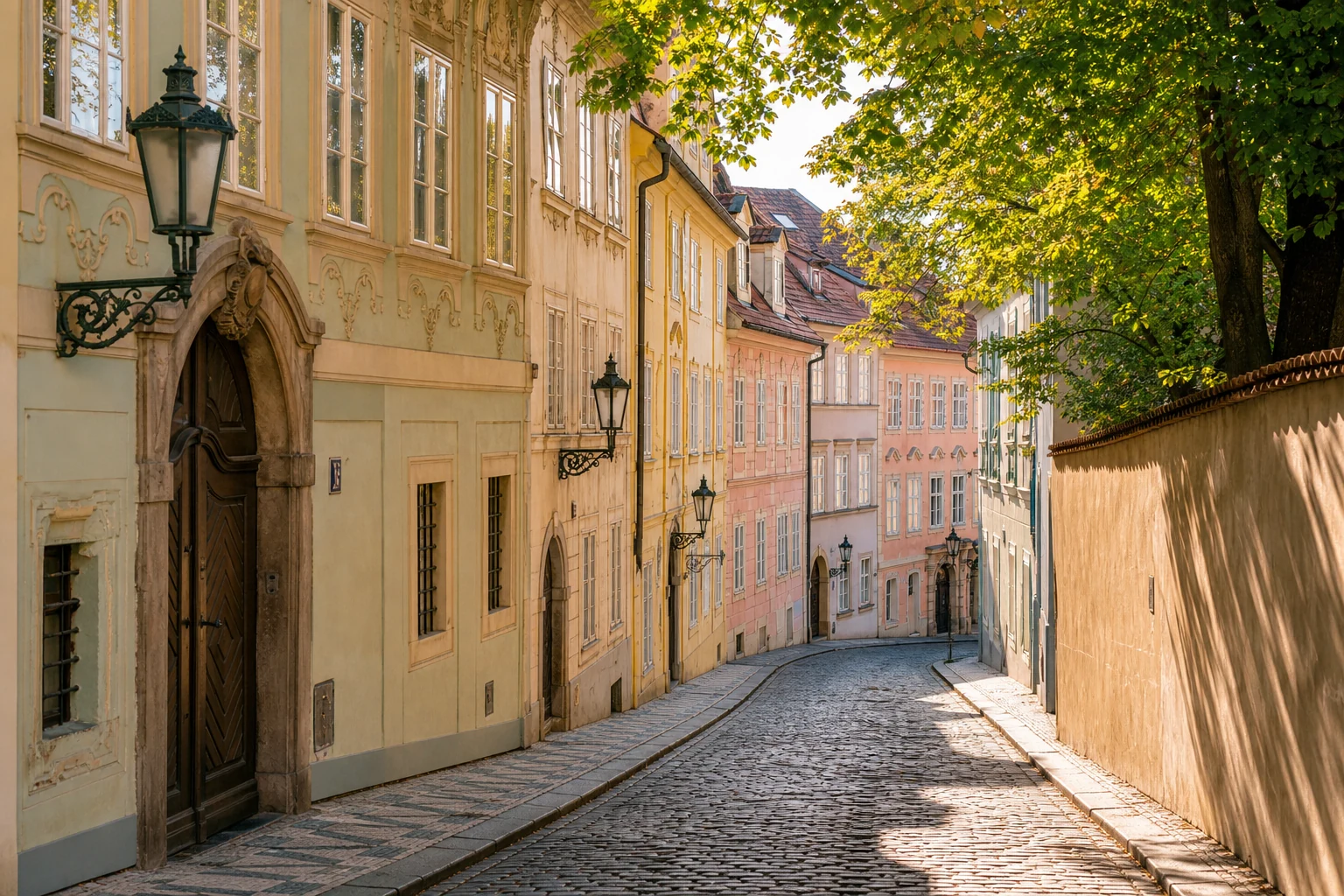
Mala Strana sits directly below the castle on the west bank of the Vltava. It is quieter than Old Town, more atmospheric at night, and beautiful without feeling quite as frantic. The tradeoff is that you will cross the river often, and some routes involve hills.
Vinohrady is my preference for anything longer than a long weekend. It is a short tram or metro ride to Old Town, but the neighborhood has actual grocery stores, non-touristy restaurants, and the kind of parks where people sit with their dogs. Hotels are often cheaper here than Old Town equivalents.
Zizkov is the stronger value play if you want pubs, younger energy, and lower hotel prices. It is less polished than Vinohrady and not as immediately pretty, but it can be a smart base if you would rather spend on food and sights than on sleeping inside the tourist core.
Book Your Prague Accommodation
Prices are usually better in Vinohrady and Zizkov than in Old Town. Search across those neighborhoods before committing to the first central hotel that looks convenient.
How Much It Costs
Prague is one of the better-value capitals in Europe for the quality of experience you get, but it is no longer a place where every tourist-facing price feels cheap. A realistic daily budget:
Budget traveler (€45-65/day): Hostel dorm, meals from local restaurants and delis, the 72-hour transit pass spread across the trip, and selective paid sights.
Mid-range (€90-140/day): A decent hotel in Vinohrady, Zizkov, or Mala Strana, sit-down meals at proper restaurants, castle entrance, and one or two paid tours or museums.
What things actually cost:
- Czech pilsner at a local pub: 55-75 CZK (~€2-3)
- Lunch at a non-touristy Czech restaurant: 200-250 CZK (~€8-10)
- Prague Castle basic circuit: 450 CZK (~€18)
- 72-hour transit pass: 350 CZK on paper (
€14) or 340 CZK in-app (€13.50) - Jewish Museum Prague adult ticket: 600 CZK (~€24)
The currency is Czech koruna (CZK), not euro. Exchange rates vary, but rough mental math around €1 = 25 CZK is close enough for quick decisions. Avoid airport currency desks and be careful with standalone ATMs in heavy tourist zones. Bank ATMs are a better default, and cards are widely accepted.
If Prague is one stop in a longer rail trip, the best next planning step is deciding whether Vienna or Budapest should be the companion city. Vienna adds cleaner museum density and cafe culture; Budapest gives you better-value hotels, thermal baths, and a bigger shift in mood. My Prague vs Vienna guide handles the first call, and the Budapest travel guide helps if you are choosing the Prague-Budapest leg instead.
Practical Info
When to visit: May through early June is the best window — warm enough to be comfortable, not yet at peak summer crowds. September and October are also good. July and August are fine but busy; Charles Bridge becomes nearly unusable by midday.
Language: Czech. English is widely spoken in tourist areas and by most younger locals, but a basic “Dobry den” (good day) and “Diky” (thanks) will be appreciated.
Visa: Czech Republic is in the Schengen Area. EU/EEA passport holders need nothing. US and most Western visitors enter visa-free for up to 90 days.
Tipping: Not mandatory but appreciated. Rounding up to the nearest 20-50 CZK (~€1-2) is standard for restaurant service. At bars, people generally don’t tip per drink.
Internet: The city has good 4G/5G coverage. Most cafes and hotels have wifi. If your mobile plan includes EU roaming, Czech Republic is covered; otherwise, an eSIM is easier than hunting for a local SIM on arrival.