Quick Take
What you should know before you book
Choose Prague if you want maximum visual payoff, easier value, and a city that works even when you barely plan it. Choose Vienna if you want museums, coffeehouse pacing, cleaner big-city logistics, and a trip that feels more polished than dramatic. If you have 6 or more days, I would stop pretending this has to be a purity test and just do both.
- Budget reality: Prague is still the easier city to do well without quietly doubling your daily spend.
- Transit reality: Prague's official 24-hour pass costs 150 CZK on paper (~€6) or 140 CZK in the PID Litacka app (~€5.50), while Vienna is simple to use but usually less forgiving on everyday costs.
- Best paid sight in Prague: Prague Castle's basic circuit is 450 CZK (~€18), and the Jewish Museum Prague adult ticket is 600 CZK (~€24).
- Best trip logic: one city for 4-5 days if you want depth, or split Prague and Vienna across 6-8 days because the rail link between them is easy enough that transport is not the real problem.
In This Guide
Prague and Vienna get compared constantly because they look like they should solve the same trip. Grand architecture, strong rail links, old-world cafés, Habsburg overlap, easy Central Europe bragging rights. On a map, they feel adjacent. In practice, they are different purchases.
Prague is the easier city to love immediately. It is compact, dramatic, and visually absurd in a way that makes even a lazy itinerary look successful. Vienna is calmer, cleaner, and more self-assured. It is not trying to win you over every twenty minutes, which is exactly why some people end up preferring it.
If you are already building around the more detailed Prague travel guide or the existing Vienna weekend guide, this page is the decision layer above them. And if this is part of a wider rail route, the broader logic in the best trains in Europe matters more than people think, because these two cities are easy to pair and therefore easy to overpack.
The Core Difference
The blunt version is this: Prague gives you more instant payoff. Vienna gives you more depth once you slow down.
Prague is a city that flatters short trips. You can land, drop your bag, walk through Old Town, cross Charles Bridge, look up at the castle, and feel like the trip is already working. That matters more than travel writers sometimes admit. A lot of first-time city breaks are won or lost by how quickly the place starts delivering.
Vienna is different. It is broader, more orderly, and better at culture than at seduction. You do not really “accidentally” do Vienna well. You do it well by picking the right museum, the right coffeehouse rhythm, the right district to stay in, and by not trying to turn every day into a highlight reel.
That is why I would frame the choice like this:
- Choose Prague if you want the stronger first impression and the easier short-trip win.
- Choose Vienna if you want a more polished capital-city experience and do not need constant visual validation.
- Choose both if you have enough days to avoid turning the rail link into a rushed box-checking exercise.
"Prague is easier to love in 48 hours. Vienna is easier to respect for four days."
What It Costs
Prague is still the easier city on a moderate budget, even if the postcard core keeps trying to behave like it forgot that. Vienna is not outrageous by Western Europe standards, but it is the kind of place where the baseline costs are just high enough to keep nudging the trip upward.
The official Prague transit numbers are still useful because they show the gap clearly. PID’s current fares list a 24-hour pass at 150 CZK on paper (€6) or 140 CZK in the PID Litacka app (€5.50), and a 72-hour pass at 350 CZK on paper (€14) or 340 CZK in-app (€13.50). Prague Castle’s basic circuit is 450 CZK (~€18), and the Jewish Museum Prague adult ticket is 600 CZK (~€24). None of that is free, but it is still manageable in a way that keeps Prague friendly to a first Central Europe trip.
Vienna tends to extract money more quietly. Hotels run higher. Sit-down meals drift upward faster. The “nice version” of each day is always available, and that is the trap. One better-located room, one museum combo, one coffeehouse stop that turns into cake because now you are already sitting there, and suddenly Vienna has eaten the cushion in your budget without ever doing anything outrageous on paper.
My honest budget read:
- Prague is the safer choice if value actually matters.
- Vienna can still be worth the extra spend, but only if its strengths are the reason you are going.
- If you book Vienna hoping it will be “basically Prague with more elegance,” you are paying the wrong premium.
Vibe and Pace
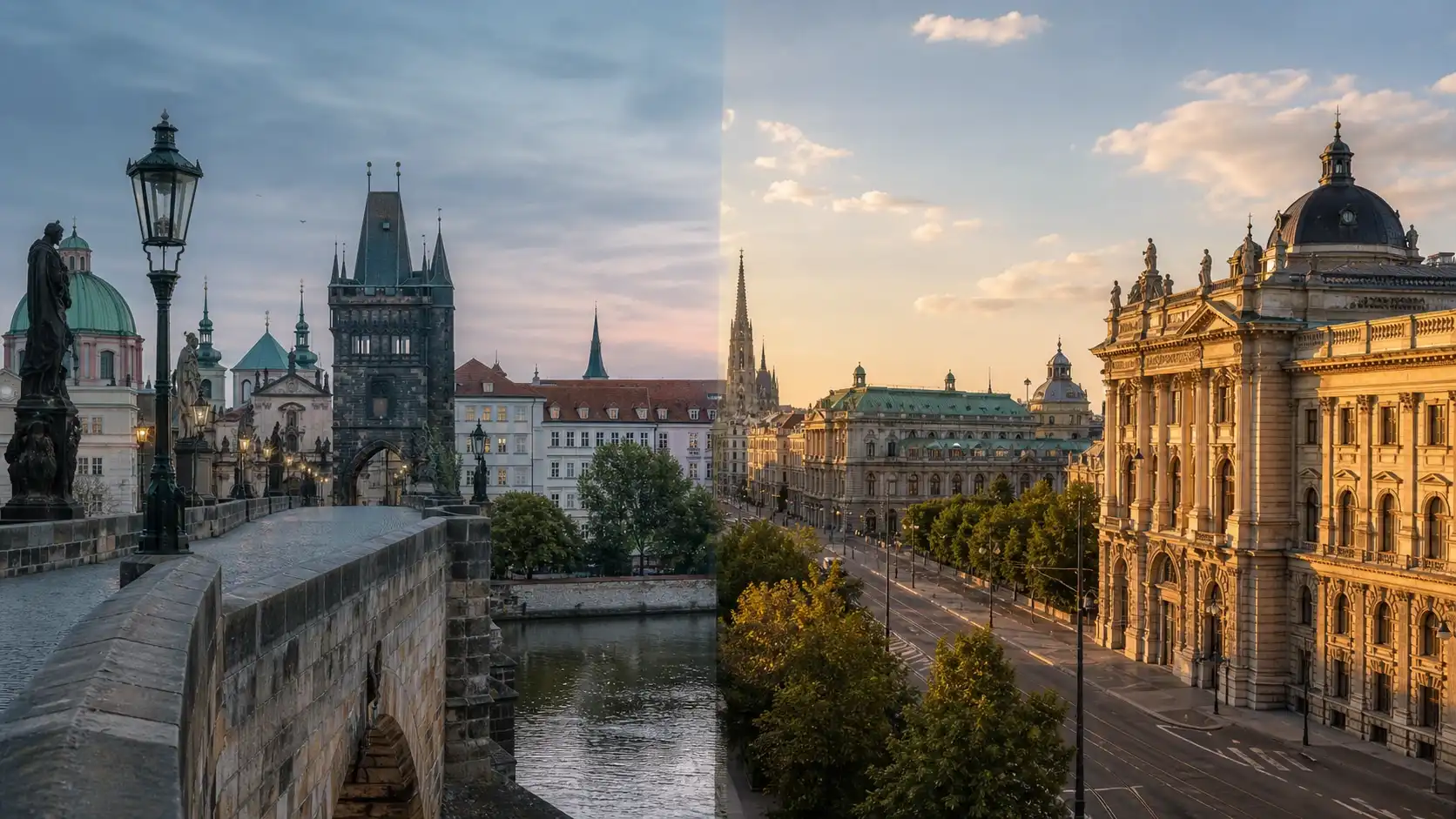
Prague is theatrical. Vienna is composed.
Prague feels like it was built to reward wandering. The city keeps throwing spires, bridges, hill views, and oddly satisfying tram climbs at you. The downside is that the most famous parts also get crushed with tourists, especially once Old Town and Charles Bridge turn into a moving queue.
Vienna feels less eager. That is not a criticism. It is one of the things I like about it. Vienna has the energy of a city that assumes it will still be here when you calm down. The Ringstrasse, the museums, the coffeehouses, the palace complexes, the big residential districts just outside the center: it all works better when you accept that Vienna is not trying to stage-manage your emotions.
If your travel style is “wake up, stack sights, stay outside all day, keep moving,” Prague fits more naturally. If your travel style is “one serious plan, one long lunch, one museum or concert, then let the city breathe,” Vienna is better at that.
The mistake is booking Vienna and trying to force Prague energy onto it. The other mistake is booking Prague and acting surprised when the famous parts feel more compressed than the photos suggested.
What You Actually Do There
This is where the decision becomes easier if you ignore attraction lists and think in terms of days instead.
In Prague, a good day is usually built around movement and contrast. You do something iconic early, like Charles Bridge or the castle, then shift into neighborhoods that are less performative. That is why the current Prague guide pushes people toward Vinohrady, Zizkov, and a broader neighborhood logic instead of pretending Old Town should dominate the whole trip.
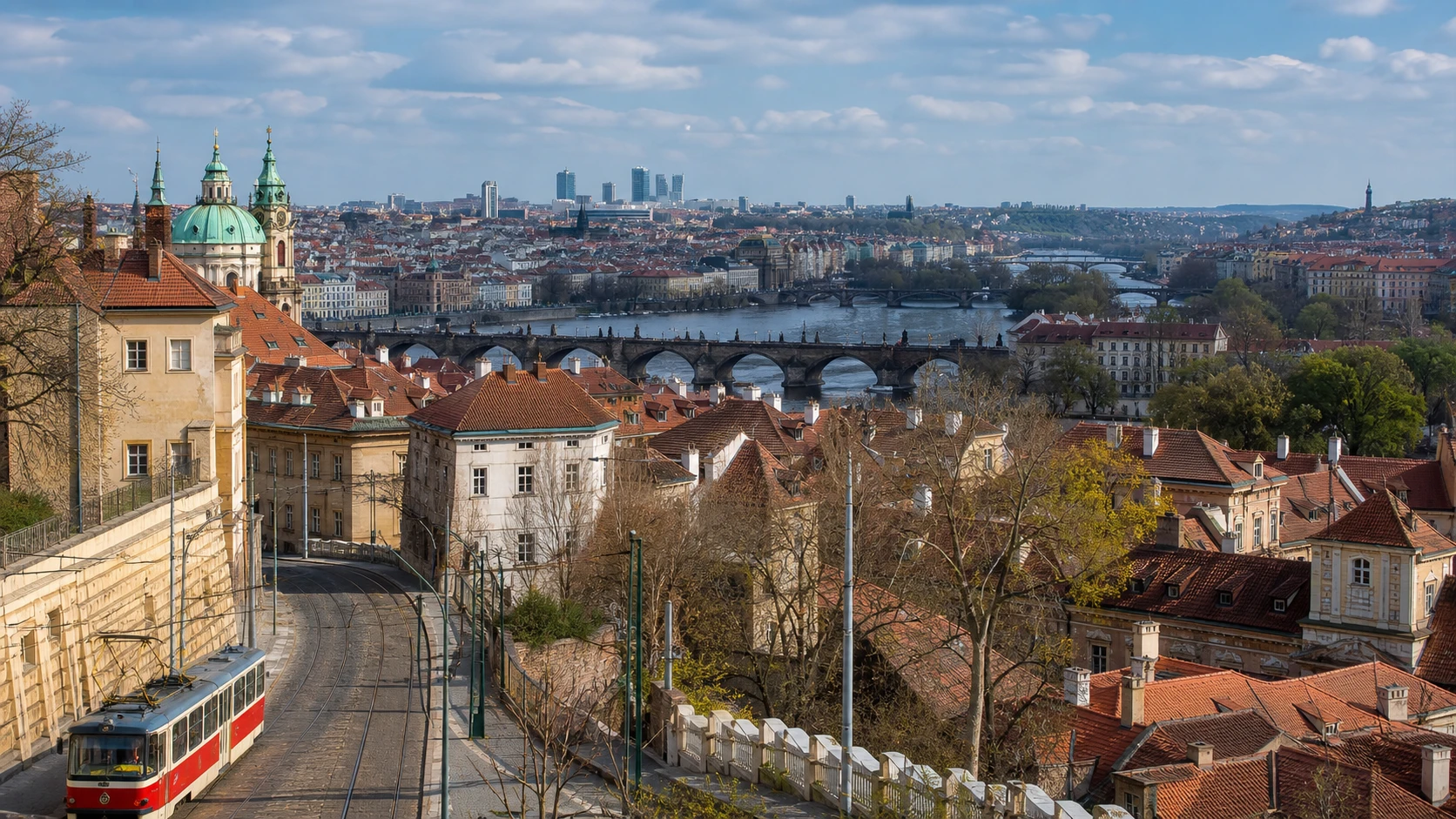
Prague is better if you want:
- a city that works well even if museums are not your main event
- a denser sightseeing pattern with less planning friction
- more obvious visual reward for each hour you spend outside
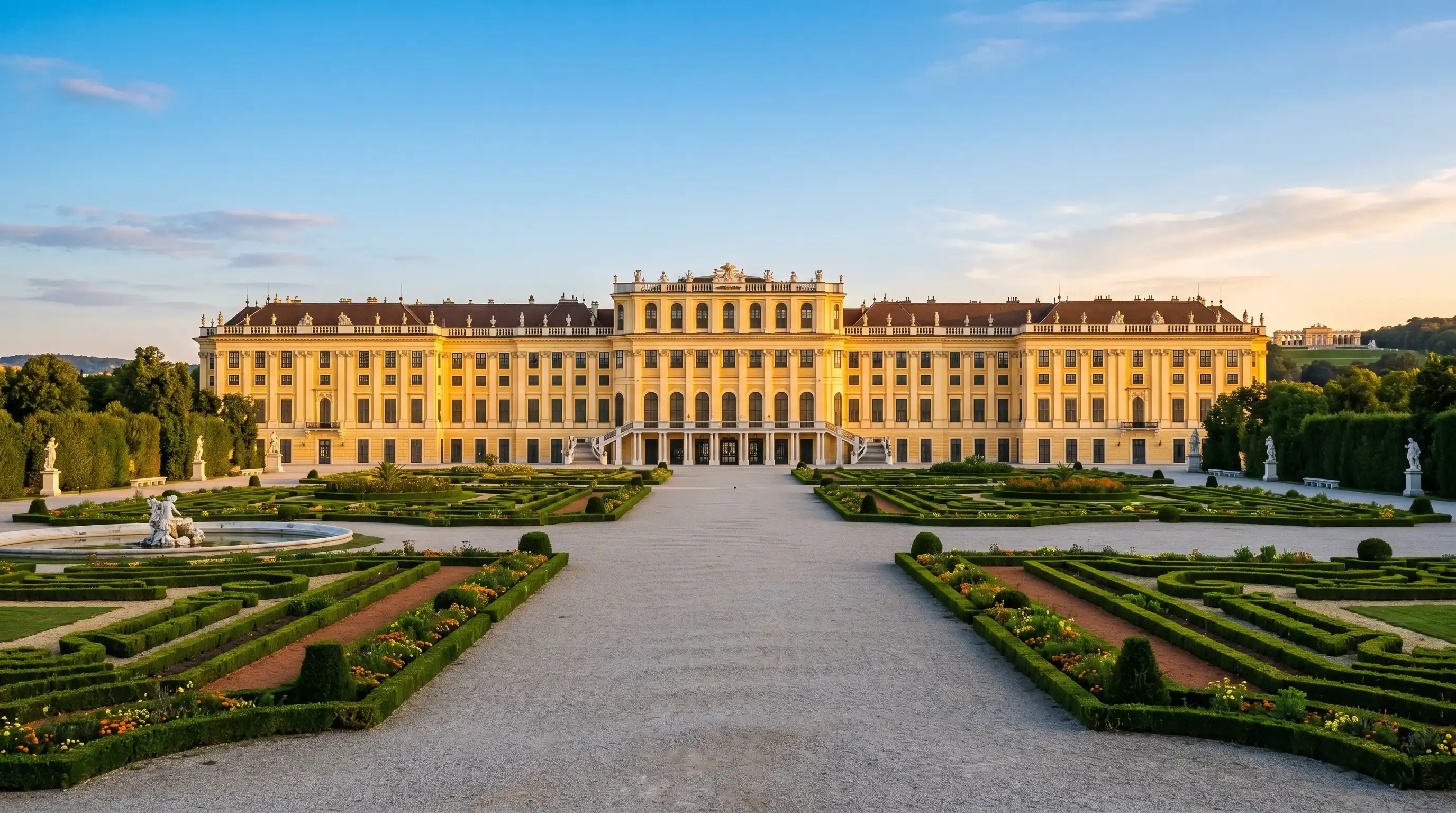
Vienna is stronger when the trip is built around quality rather than pace. Schonbrunn, the Hofburg area, the Kunsthistorisches Museum, coffeehouses, and the wider district structure all ask for a little more patience. If you only care about “what is the prettiest thing I can look at next,” Vienna will lose this comparison more often than its fans want to admit.
But if you care about major collections, cultural institutions, and a city that feels livable rather than cinematic, Vienna is the more complete answer. It is also the better choice if you want your time indoors to be part of the trip rather than a backup plan for bad weather.
Food and Nightlife
Prague is easier to do spontaneously. Vienna is easier to do deliberately.
Prague still has the advantage for casual-value eating and low-friction nights. You can spend the day walking, stop for beer and Czech food, keep going, and not feel like every decision needs a reservation strategy. That does not mean every central Prague meal is good. Plenty of it is not. But the city supports improvisation better.
Vienna is more satisfying when you like structured pleasures: a proper lunch, a coffeehouse break that counts as an activity, maybe one excellent dinner, maybe wine, maybe a concert or opera if that is your thing. It is less forgiving if you want cheap spontaneity. Vienna can absolutely feed you well. It just prefers that you act like you meant to be there.
Nightlife is simpler:
- Prague is the more obvious nightlife city for most travelers.
- Vienna is stronger at evening culture than at late-night momentum.
If you want bars, beer, and a trip that stays social after dark without much effort, pick Prague. If you want one elegant evening rather than three loose ones, Vienna is probably more your speed.
If you are split because Vienna sounds "nicer" but Prague sounds more fun, ask what you actually do after 8pm on most trips. People love imagining they are museum-by-day, opera-by-night travelers. A shocking number of them are really beer-and-walk-until-midnight travelers with better self-marketing.
Crowds and Timing
Prague suffers more from crowd concentration. Vienna absorbs crowds better.
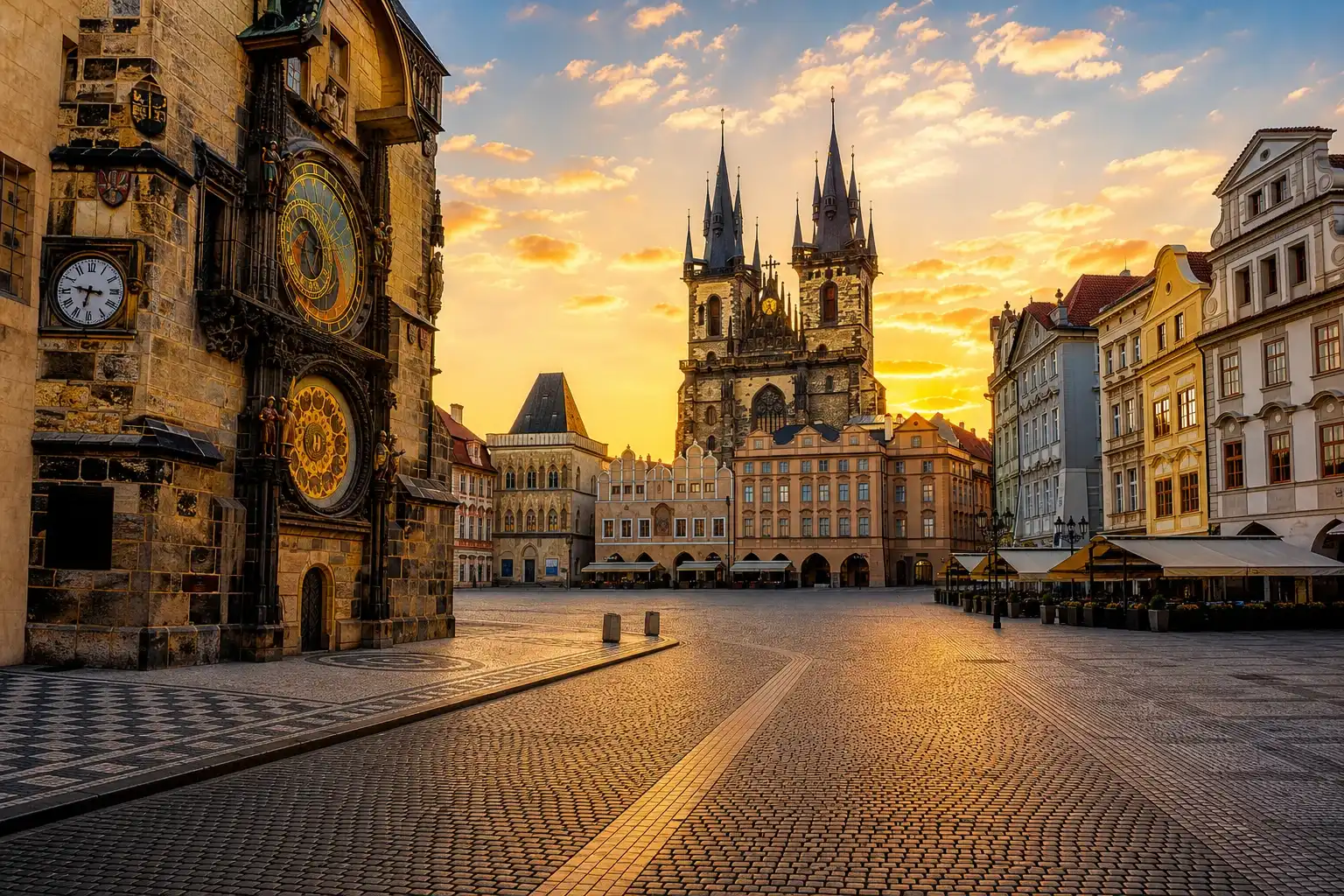
That is one of the biggest practical differences between the two cities. Prague’s famous route is compact enough that everybody ends up on the same streets at the same time: Old Town Square, the Astronomical Clock, Charles Bridge, the castle approaches. When Prague is crowded, it feels crowded in a way that can get annoying fast.
Vienna has heavy tourism too, but it is spread across more districts and more types of activity. Palace visitors, museum visitors, coffeehouse people, concert people, shopping people, and regular residents do not all pile into one medieval bottleneck.
So my timing advice is not the same:
- In Prague, build the day around early starts and get out of the Old Town corridor before it turns into self-inflicted misery.
- In Vienna, prebook the one or two major things you truly care about and let the rest stay looser.
Both cities are best in shoulder season. If you have the choice, late April through June and then September into early October is the safer window. Prague improves dramatically when the center is merely busy instead of overrun. Vienna improves when you can actually enjoy the long walks between districts without summer heat making every grand boulevard feel longer than it is.
Logistics
This is the category people overthink. The transport between Prague and Vienna is not the hard part.
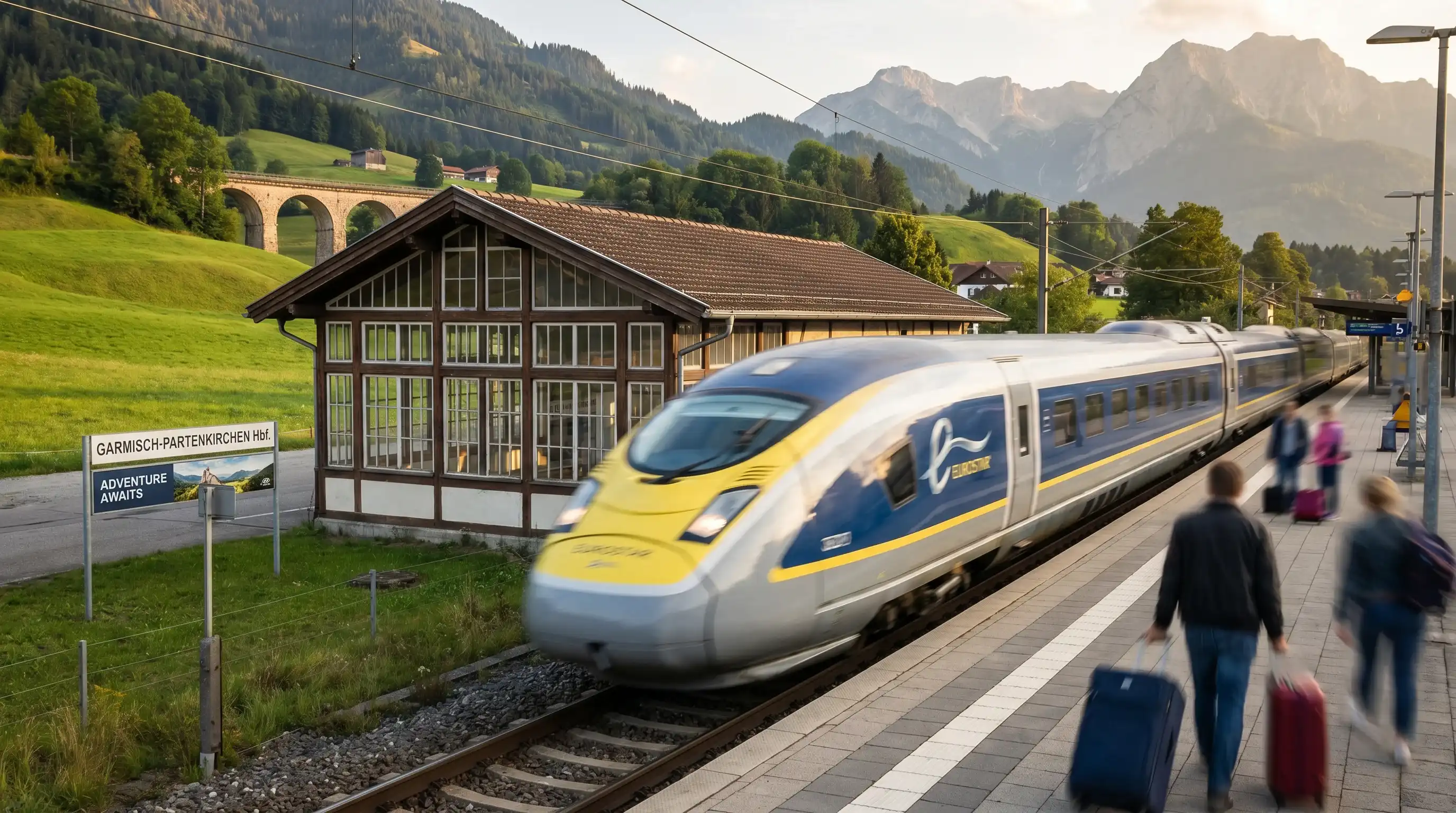
Prague and Vienna are one of the easier capital-to-capital combinations in this part of Europe. The rail link is straightforward enough that if your trip feels rushed, it is usually because you tried to squeeze too much into too few days, not because the connection itself is unreasonable. For a wider region loop, both also connect cleanly onward to Budapest and the larger Central Europe rail network.
Inside the cities, Prague is the stronger value and Vienna is the more polished machine.
Prague’s airport transfer is easy: trolleybus 59 to Nadrazi Veleslavin, then Metro A, all covered by the standard PID ticket. Vienna’s airport access is also simple, but Vienna generally asks you to spend a bit more for the same sense of order.
If you only want the clean planning version:
- One city only, short trip: Prague is the easier sell.
- One city only, culture-first trip: Vienna starts making more sense.
- Two-city route: 3 nights Prague plus 3 nights Vienna is a clean starting split.
Price the Route Before You Romanticize It
Hotel prices usually settle this faster than blog philosophy does. If one city is way more expensive on your actual dates, let that information count. It is a smarter tiebreaker than pretending every trip has to be an identity statement.
Who Should Choose Prague
Choose Prague if:
- you want the stronger first-time “wow” factor
- you care about budget enough that daily cost drift would annoy you
- you like walking cities more than museum cities
- you only have 2-4 nights and want the city to deliver immediately
Prague is also the better answer if you are traveling with someone who is not especially patient about city travel. That sounds harsher than I mean it, but it is real. Prague gives you visible reward faster. Vienna asks for more trust.
I would also pick Prague for travelers who want their Central Europe trip to feel visually distinctive from the first morning rather than intellectually satisfying by day three.
Who Should Choose Vienna
Choose Vienna if:
- museums and palace-scale culture matter more than postcard density
- you prefer calmer, cleaner, more organized city rhythms
- you want a capital that feels livable and polished rather than relentlessly scenic
- you are happy paying more for a better-ordered experience
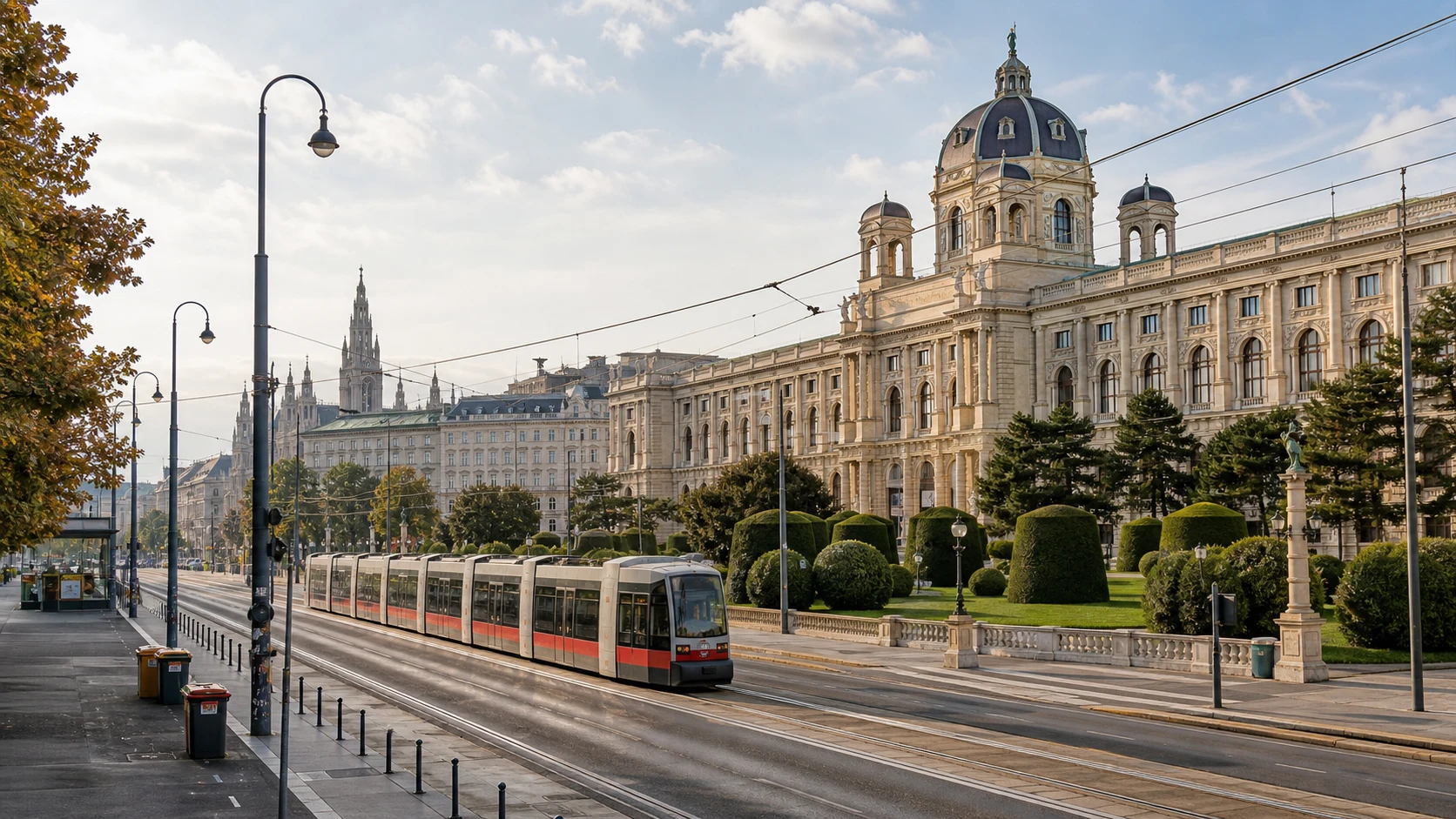
Vienna is also better if you are the kind of traveler who likes doing one thing properly instead of six things quickly. It rewards people who do not need every hour to announce itself.
The risk is that people book Vienna for its reputation and then spend the whole trip comparing it to a more dramatic city it never claimed to be. If you go to Vienna for Vienna, it works. If you go to Vienna hoping it will perform like Prague with better manners, it can feel oddly flat.
Book the City That Matches Your Actual Habits
Prague is usually the easier hotel-value win. Vienna usually makes more sense when museums, coffeehouses, and a calmer trip rhythm are non-negotiable. Book for the trip you actually take, not the aspirational one.
If You Want Both
If you have 6-8 days, doing both is usually the smartest answer.
I would not do both in 4 days unless the point is simply to say you did both, which is not a travel style I can help with much. The cleaner split is:
- 3 nights Prague
- 3 nights Vienna
If you have 7 or 8 days, keep the extra time on the city that fits your style better instead of forcing a perfectly symmetrical split. If you have 9 or 10 days, adding Budapest becomes reasonable. If you have 4 or 5 days total, pick one city and stop negotiating with yourself.
The order matters a little too. I usually like Prague first, Vienna second if the trip is meant to feel like it is maturing as it goes. Prague gives you the instant energy. Vienna then works as the calmer, more refined half. The reverse route can still work, but it often makes Prague feel louder than it would have otherwise.
The Verdict
If you are forcing me to choose one city for most first-time Central Europe travelers, I give Prague the edge.
Not because Vienna is worse. Not because Prague is more “important.” Just because Prague is more reliably rewarding in a short window, more forgiving on budget, and more likely to match the trip people think they are booking.
But Vienna is the better answer for a specific kind of traveler: someone who likes museums, likes order, likes big-city polish, and does not need every hour to feel cinematic. For those people, Vienna can easily be the more satisfying city.
My actual advice is less dramatic than the comparison headline: if you have enough time, do both. If you do not, pick Prague for the faster payoff and Vienna for the steadier quality. Either way, let the decision be practical. There is no medal for pretending your preferences are more sophisticated than they are.