Quick Take
What you should know before you book
For a first 10-14 day Europe trip, use three bases. My default is four nights each in London, Paris, and Amsterdam. Choose four nights in Rome, four in Florence, and three in Venice for art and food; choose four each in Prague, Vienna, and Budapest for grand cities, thermal baths, and generally stronger daily value.
- Best default: London 4 nights, Paris 4, Amsterdam 4, flying into London and home from Amsterdam.
- Best for art and food: Rome 4 nights, Florence 4, Venice 3, using direct Italian high-speed trains.
- Best for Central European atmosphere and value: Prague 4 nights, Vienna 4, Budapest 4.
- Best first bookings: entry permission, open-jaw flights, the scarce intercity train, central lodging, then only the timed attractions you care about.
In This Guide
Europe is a continent, and a first trip can cross borders, languages, currencies, and rail systems before lunch. The map makes five countries in twelve days look efficient. Your suitcase will offer a less flattering assessment. I recommend one connected corridor with three bases for a 10-14 day first trip. The strongest default is four nights each in London, Paris, and Amsterdam. Italy is stronger for art, food, and warm street life; Prague, Vienna, and Budapest deliver grand cities, baths, and better daily value. This guide shows what fills every night, when another stop improves the route, and which entry permission, flight, train, room, or timed attraction deserves early booking. Choose the corridor first. The day-by-day details can wait until the trip has enough room to breathe.
Why Three Bases Works Better Than Five
A travel day is larger than the timetable. It begins when you pack, check under the bed, and leave the room. It continues through the station transfer, platform search, journey, arrival, and the interval before the next room is ready. A two-hour train can remove the useful center of a day.
That cost is acceptable when the next city changes the trip. London to Paris replaces pub windows, brick terraces, and the Thames with zinc rooftops, café tables, and the Seine. Florence to Venice replaces stone lanes and Renaissance galleries with boats, damp alleys, and lagoon light. The move has earned itself.
One-night stops rarely clear that bar. You arrive after lunch, see the center at its busiest, eat near the obvious square, and leave after breakfast. The city becomes evidence that you were there. It never develops a morning rhythm, a neighborhood, or a restaurant you chose because dinner sounded good rather than because your train was late.
For 10-14 days, three bases usually produce two travel days and several full days. Count nights because “three days in Paris” often means an arrival afternoon, one full day, and a departure morning. Four nights create three full days. That is enough for one major museum, the Seine and historic core, a neighborhood day, and an evening whose only appointment is dinner.
Remove any one-night hotel from the first draft. Keep the place as a day trip only when the return is simple and the excursion matters more than a slow day in the base. Bruges from London or Paris is possible; Haarlem from Amsterdam is easier. Bologna from Florence can be a food day. Bratislava from Vienna can be a change of scale. None requires a suitcase unless it is a leading reason for the trip.
Choose the Route by the Experience You Want
The northern route—London, Paris, and Amsterdam—is the strongest recommendation for an English-speaking first-timer. London makes arrival gentle because the language and many systems are familiar. Paris delivers the unmistakable continental-city moment. Amsterdam finishes at a smaller, walkable scale without losing museums, food, nightlife, or excellent onward flights.
The price is higher lodging and greater reservation pressure. London and Amsterdam rooms can make a reasonable budget look personally offended. Paris rewards advance museum decisions. The UK also has its own entry permission, border check, currency, and rail departure process. Ease does not mean zero preparation.
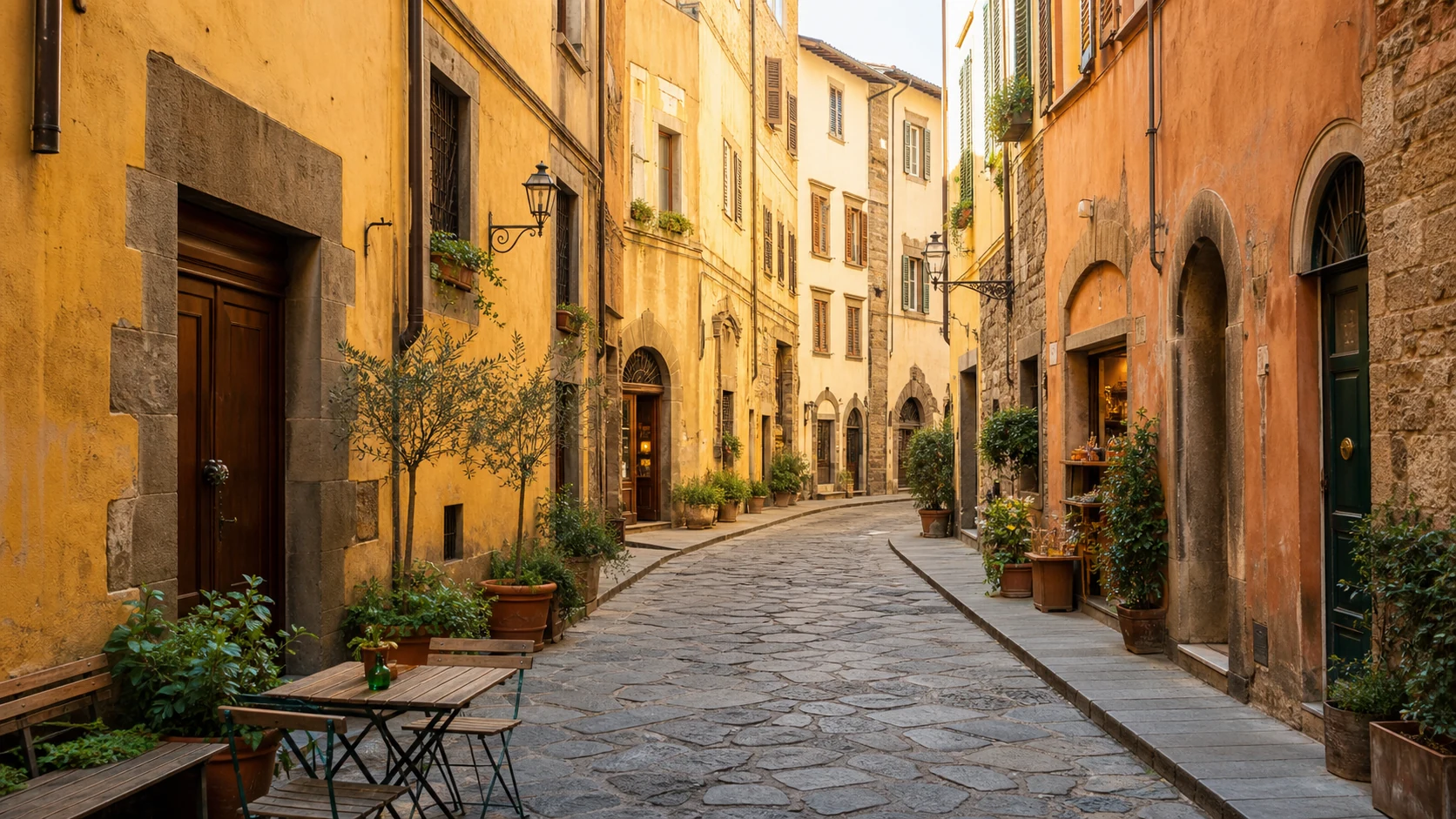
Choose Italy when food, art, and outdoor life lead the wish list. Rome, Florence, and Venice remain inside one country and one main rail system, yet each city feels materially different. Summer heat and crowds are the compromise. Spring, early autumn, and late autumn often suit this route better than the hottest weeks.
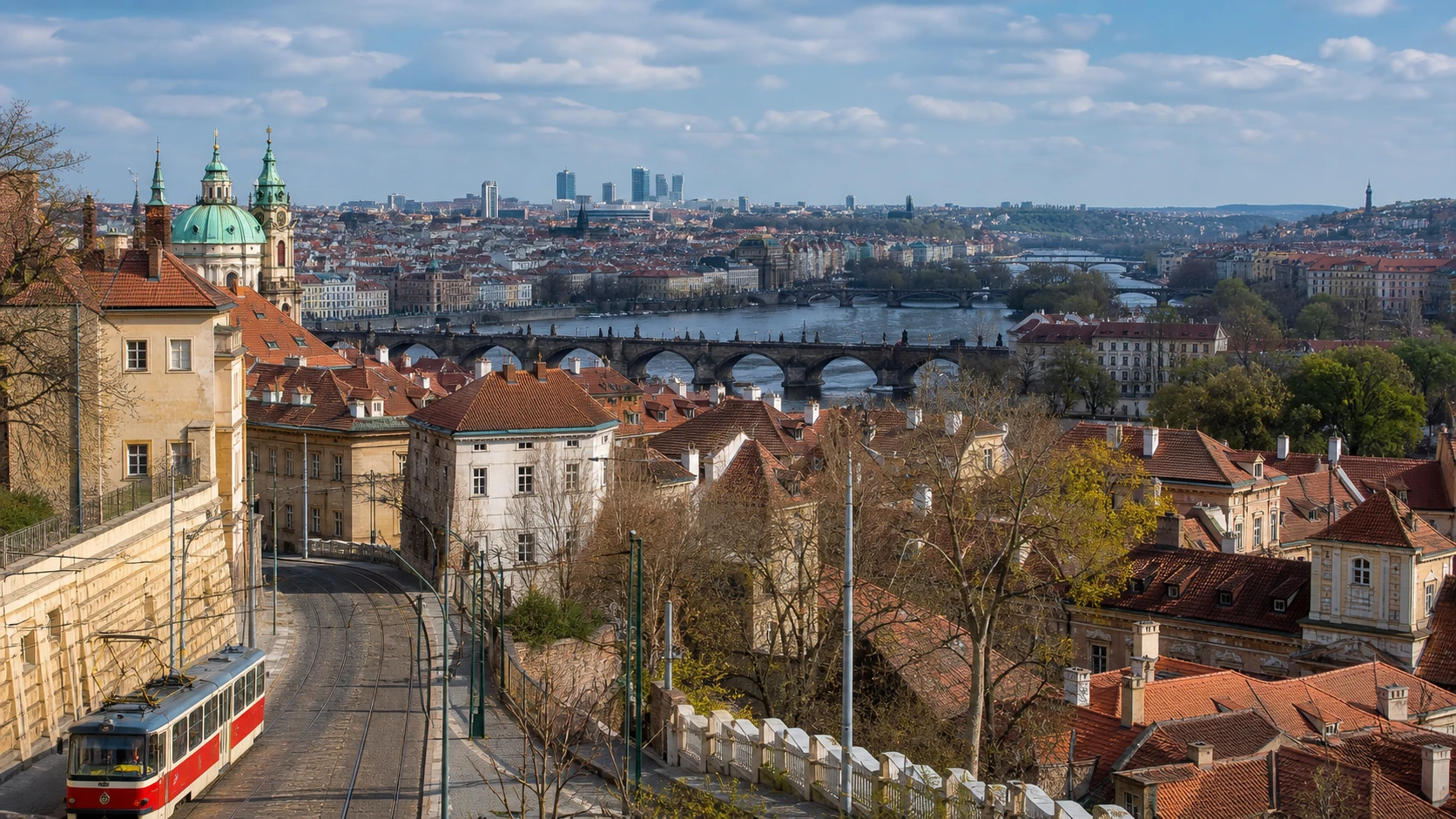
Choose Prague, Vienna, and Budapest when grand architecture, café culture, thermal baths, and generally stronger daily value matter more than ticking the most famous Western capitals. The route brings three currencies and three national systems. Daytime trains keep the sequence legible, and each city already supports several distinct days.
Pick one corridor before browsing hotels. If your top two priorities live in different routes—say Paris and Rome—read the Paris versus Rome guide and choose one as the central priority. A flight between them can work, though it produces a less coherent trip than either complete corridor.
London, Paris, and Amsterdam: 12 Nights
Give London four nights. The first can disappear into arrival, a shower, and a walk along the South Bank while the body negotiates with the time zone. That evening still matters: Westminster lights across the Thames, a pub meal, and the relief of navigating without translation establish confidence before the trip becomes more foreign.
Use one full day for Westminster, St James’s Park, and the National Gallery or British Museum. Give another to a real neighborhood sequence: Borough Market and Bermondsey, Hampstead and the Heath, or Columbia Road and Spitalfields. The fourth night creates room for a West End performance, Greenwich, or a long dinner without sacrificing the Tower of London merely because the schedule looks tidy.
Another British stop improves the route only when it is a priority. Bath or Oxford can fill one London day. Sleeping there changes the whole allocation, so take a London night away deliberately rather than pretending the additional hotel has no cost.
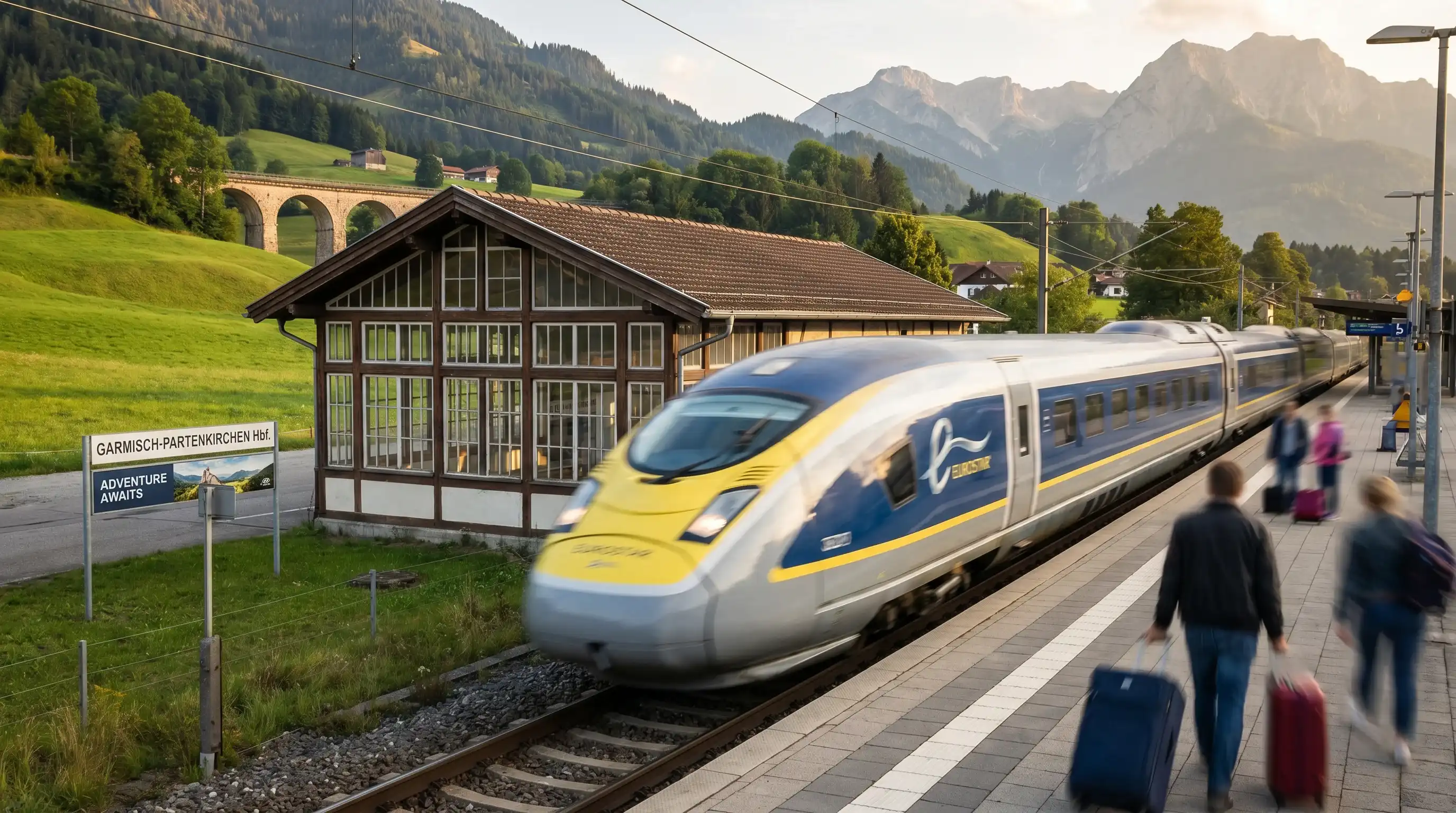
Book a morning Eurostar from St Pancras to Paris that does not require a punishing dawn. The official journey page says most trains take about 2 hours 16 minutes, but border controls and security happen before departure. Arrive at the recommended time for your ticket, buy breakfast after the checks, and let Gare du Nord deliver you into the city center.
Paris also earns four nights. Begin with the Seine, Île de la Cité, and the streets of the 5th or 6th arrondissement. Give the Louvre one reserved morning if it is a personal priority; the museum recommends timed booking, and reservations became mandatory for most visitors during July and August 2026. The action is to reserve the museum you care about, not to schedule every collection with a famous facade.
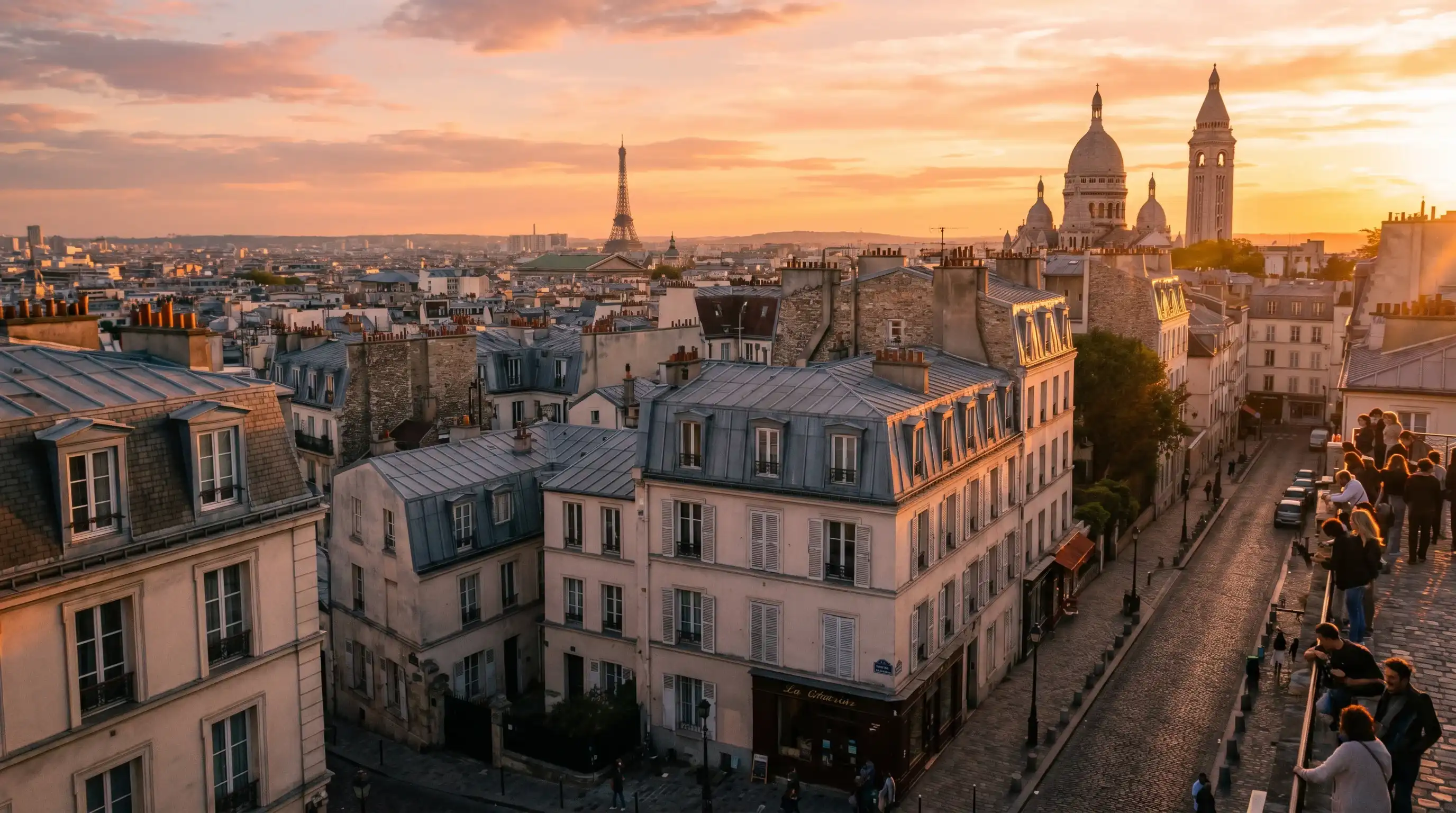
Use another day for Montmartre early, then leave the hill through the 9th or 10th rather than returning directly to the river. Sunset over the rooftops, a café table in the 11th, and warm bread carried back from a neighborhood bakery are part of the reason Paris receives four nights. A third city day can hold the Musée d’Orsay, Canal Saint-Martin, or Versailles. Reserve one substantial plan and keep the evening loose.
The final four nights belong to Amsterdam. The train arrival changes the scale quickly: gabled houses lean over canals, bicycles collect against bridge rails, and the center can feel almost too composed at midday. Stay for the evenings. Canal water darkens, brown cafés fill, and the city becomes more than a queue between Centraal Station and Museumplein.
Reserve the Anne Frank House first if it matters. The museum sells only timed online tickets, released every Tuesday at 10:00 CEST for visits six weeks later. Build one day around that booking and the Jordaan. Use a separate day for the Rijksmuseum or Van Gogh Museum, then walk through De Pijp or Oud-West instead of stacking both collections.
The fourth Amsterdam night supports Haarlem, Noord, a long canal morning, or bad weather. Brussels as a fourth hotel adds another move and weakens the ending. Bruges can replace an Amsterdam day for a traveler who values medieval streets over another museum, though Haarlem gives the easier excursion. The route already has three strong identities. Let Amsterdam finish it.
Rome, Florence, and Venice: 11 Nights
Rome needs four nights because the ancient city and the Vatican are two different trips sharing the same hotel. On the first evening, walk from Campo de’ Fiori toward the Pantheon and Piazza Navona. Market crates vanish, restaurant tables take their place, and hot stone gives way to floodlit columns. This is a better introduction than racing from the airport to a timed monument.
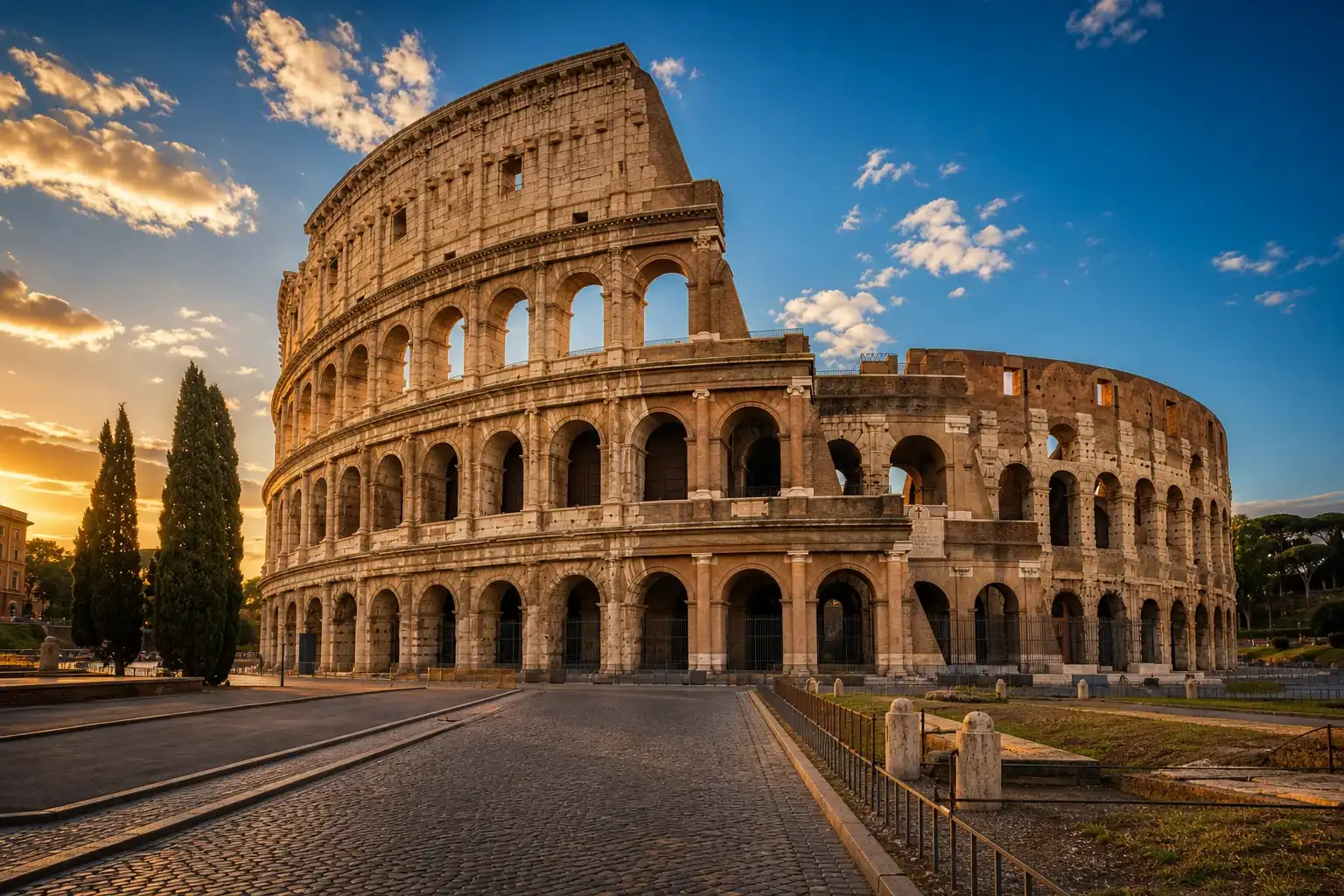
Give the Colosseum and Forum one reserved morning. Use another day for Vatican City if the museums or St Peter’s are central to the trip. The remaining city time belongs to Trastevere, Testaccio, churches, fountains, and meals with enough space around them. Four nights provide three full days; Rome will use all of them without asking for a day trip.
Move to Florence by direct high-speed train and stay four nights. The first afternoon can begin at the Duomo and end across the Arno. Oltrarno workshops, small wine windows, and the climb toward San Miniato reveal a city beyond the gallery queue. Florence is compact, which makes overbooking especially tempting. A short walk between famous buildings does not create extra hours inside them.
Book the Uffizi or Accademia according to your actual interest. The Uffizi sells named tickets through its official platform, including advance timed entry. Give one gallery a clear morning, then protect lunch and the afternoon from another major reservation. Florence earns the fourth night through that slower city day or an excursion to Bologna, Lucca, or Siena.
Another hotel improves this route when the added place is the point. A traveler coming for Bologna’s food should sleep there for two or three nights and reduce Florence. Milan deserves the same treatment for fashion, design, or The Last Supper. Adding either for a single night produces another station day and takes time from cities you already chose.
Finish with three nights in Venice. Arrive at Santa Lucia station and step outside before deciding whether to take a vaporetto or walk. The Grand Canal is immediately there, busy and improbable. The city’s first practical lesson arrives just as quickly: bridges make wheeled luggage a public performance.
Three nights give Venice two full days and, more importantly, two early mornings and late evenings. Use one day for San Marco and a chosen palace or church. Use the second for Cannaregio, Dorsoduro, or the lagoon islands. Eat cicchetti at a bacaro, cross quiet canals after dinner, and see how much city appears once the largest day-trip groups leave.
The 2026 Venice Access Fee trial ended on July 27, and the official page says no payment or exemption request applies after that date. Future rules require a fresh check. Overnight guests had separate exemption treatment during charged periods, which is another reason to use the city’s own portal instead of an old social post.
Prague, Vienna, and Budapest: 12 Nights
Start with four nights in Prague. Cross Charles Bridge near sunrise if the jet lag has already volunteered you. The stone saints, castle ridge, and Vltava are clearest before tour groups crowd the bridge into a slow parade. Continue through Malá Strana and climb toward Prague Castle while the lanes still have room for their own shadows.
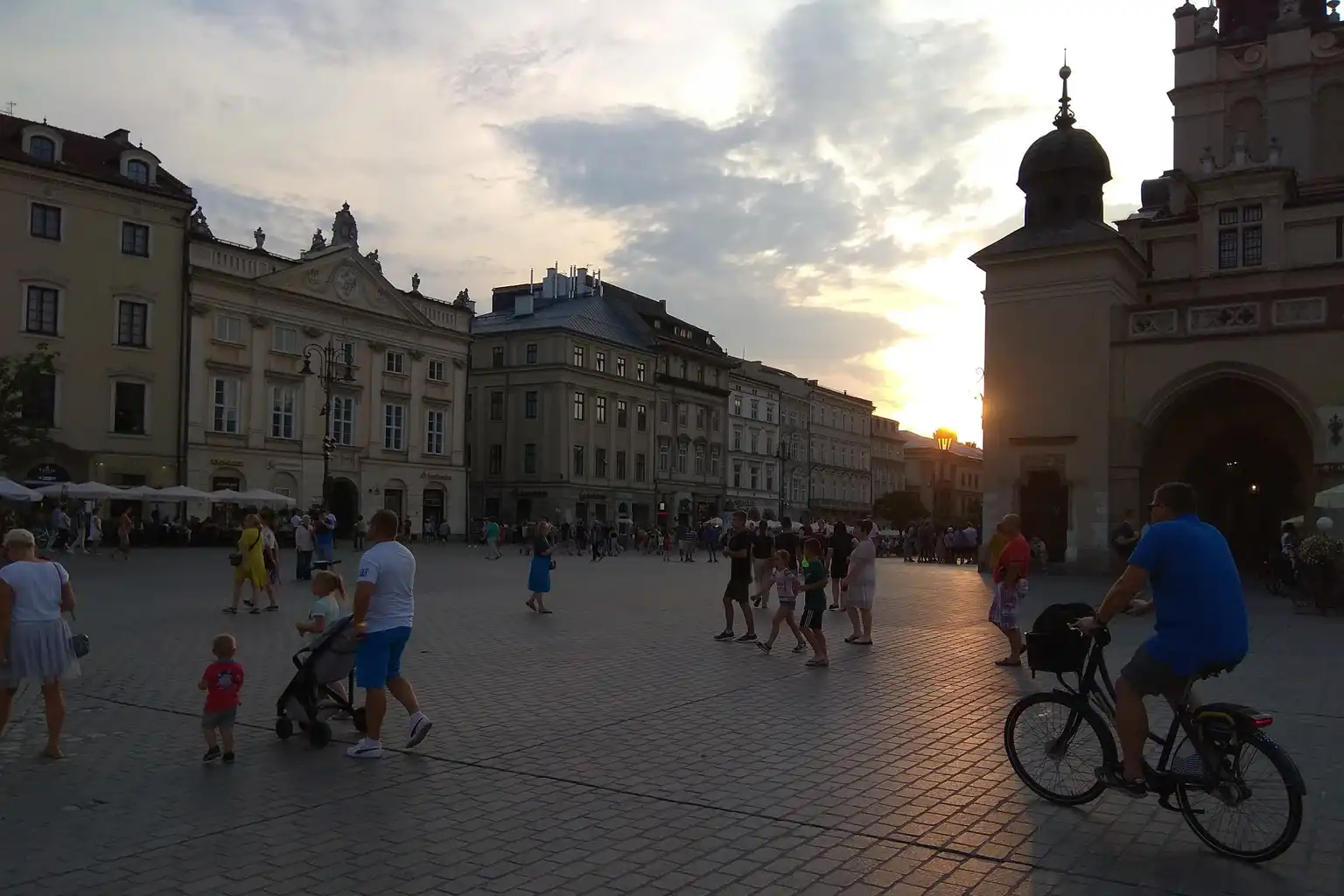
Use another day for Old Town, Josefov, and a chosen museum or synagogue circuit. Then leave the postcard center. Vinohrady, Holešovice, or Letná supplies neighborhood cafés, beer halls, design, and a calmer evening. The fourth night earns a flexible day for weather, Kutná Hora, or simply a long lunch followed by the river.
Take a daytime train to Vienna and stay four nights. Vienna can absorb an entire trip’s worth of palaces and museums, so choose one imperial complex. Schönbrunn makes the strongest half-day for gardens and scale; the Belvedere works better for art and a more compact visit. Stacking both with the Hofburg produces a great deal of gilding and very little Vienna outside it.
Give a separate day to the Ringstrasse, MuseumsQuartier, Naschmarkt, and a coffeehouse where sitting down is part of the activity. Another day can reach the Danube, Prater, or wine villages. Vienna earns its fourth night by allowing polished central sights and ordinary neighborhood time to coexist.
Bratislava is an easy day trip for readers who want a smaller capital and a Danube comparison. Sleeping there adds a hotel move to a route whose trains already work well. Salzburg changes the trip more dramatically, but it deserves at least three nights. Add it only by shortening or removing another capital.
The final four nights belong to Budapest. Begin on the Buda side, where castle terraces open across the Danube toward Parliament. Give Pest a separate day for the Great Market Hall, boulevards, Jewish Quarter, and a meal built around paprika, noodles, or a bowl of goulash that is soup rather than stew.
Reserve time for one thermal bath. Széchenyi brings yellow facades, outdoor pools, steam, and City Park; Gellért offers a more ornate interior when fully available. Check the operator’s current closures and ticket rules. A bath afternoon needs several hours, not a slot wedged between two monuments.
The fourth Budapest night creates the trip’s best finale: Parliament lit across the river, tram 2 sliding along the embankment, and no early flight to another country the next morning. Price trains through Czech Railways, ÖBB, and MÁV for the exact date. Use the operator that sells the journey clearly and compare conditions before choosing a third-party interface.
Entry Rules, Open-Jaw Flights, and the First Five Bookings
Begin with entry permission. Many visa-exempt visitors—including travelers from the United States, Canada, Australia, and much of Europe—need a UK Electronic Travel Authorisation before traveling to the UK. Nationality and passport status control the requirement, so use GOV.UK’s ETA guidance and avoid look-alike application sites.
The European Commission says ETIAS will begin in the last quarter of 2026 and that travelers do not need to act yet. Check the official ETIAS portal close to departure because the specific launch date and transition rules matter more than any summary written months earlier.
Next, compare open-jaw flights: arrive in the first city and fly home from the last. Search London in and Amsterdam out, Rome in and Venice out, or Prague in and Budapest out. Compare the total with a round trip that forces you back to the starting city. Include the return train or flight, airport transfer, possible hotel, and lost day. A cheaper airfare can fund an expensive detour.
The first five bookings should follow consequence:
- Confirm passports, visas, and required travel authorisations.
- Book the international open-jaw flight once the corridor is firm.
- Reserve the scarce or high-consequence intercity leg, especially Eurostar.
- Hold cancellable, well-located rooms in all three bases.
- Buy the few timed entries that would genuinely disappoint you if sold out.
Keep the list short. Anne Frank House has a precise release system. The Louvre, Colosseum, and Uffizi reward official timed booking when they are central to the trip. A restaurant for one important evening can follow. Ordinary meals, neighborhood walks, and most local transit do not deserve six months of choreography.
Use the Europe rail guide for pass-versus-ticket decisions and the Europe trip budget for a land-cost framework. This article’s job is the route. Those pages can carry the mechanics without turning your first itinerary into a worksheet.
My First-Trip Verdict
Choose London, Paris, and Amsterdam when you want the easiest first landing and three famous cities with obvious cultural contrast. Choose Rome, Florence, and Venice when food, art, and evening street life are the trip. Choose Prague, Vienna, and Budapest when you want imperial scale, thermal water, café time, and stronger daily value.
Then protect the allocation. Four nights allow a city to recover from weather, jet lag, and one overambitious museum. Three connected bases create a journey. Five hurried hotels create administrative work with attractive backgrounds.
Pick the corridor, price the open-jaw flight, and complete the first consequential booking. The best first Europe itinerary is the one that still has an evening left when you arrive.
Affiliate disclosure: This guide currently contains no sponsored booking links.