Quick Take
What you should know before you book
Sarajevo is my best-value European city for 2026: three nights deliver layered history, mountain scenery, and a compact food-filled center. Choose Bucharest for big-city range, Tirana for social energy, Belgrade for nightlife and rivers, or Trenčín for a quiet two-night cultural stop.
- Best overall: Sarajevo for three nights, with Baščaršija, the Austro-Hungarian center, serious history, and a slower mountain-edge day.
- Best big city: Bucharest for three nights, especially if architecture, museums, parks, and late dinners matter more than postcard prettiness.
- Best quick break: Tirana for two nights, or three when Dajti or a regional excursion belongs in the plan.
- Best specialized choices: Belgrade for three nights of neighborhoods and nightlife; Trenčín for two compact nights beneath its castle.
In This Guide
Sarajevo is the cheapest European city I would recommend most strongly in 2026. It turns a low city-break total into an unusually complete trip: Ottoman lanes and Austro-Hungarian avenues, Bosnian coffee and ćevapi, difficult history, and green mountains visible beyond the rooftops. Three nights let those layers develop without stretching a short break thin. The strongest alternatives solve different desires. Bucharest offers the most big-city range, Tirana the brightest social energy, Belgrade the best combination of nightlife and rivers, and Trenčín the calmest compact stop. I will show what the current cost ranking actually measures, why each city earns its nights, and the compromise behind every recommendation. Price the flight and a refundable central room first; those two bookings can reverse a ranking built from costs on the ground.
The Bottom Line
The five strongest low-cost choices do not offer interchangeable weekends. Sarajevo is the all-rounder. Bucharest has the deepest bench of city days. Tirana feels outgoing and contemporary. Belgrade stays awake late and spreads along two rivers. Trenčín trades metropolitan range for a castle, a handsome square, and the pleasure of finishing a day without consulting a transit map.
Their current ranking comes from the Post Office’s 2026 City Costs Barometer. Its comparable basket for two people puts Sarajevo first at £248, followed by Bucharest at £258, Tirana at £263, Belgrade at £265, and Trenčín at £272. Using the European Central Bank’s August 14 reference rate, those totals are roughly €290, €302, €308, €310, and €318. A difference of €28 across the whole top five is too small to dictate the destination. One awkward flight or one popular weekend can erase it.
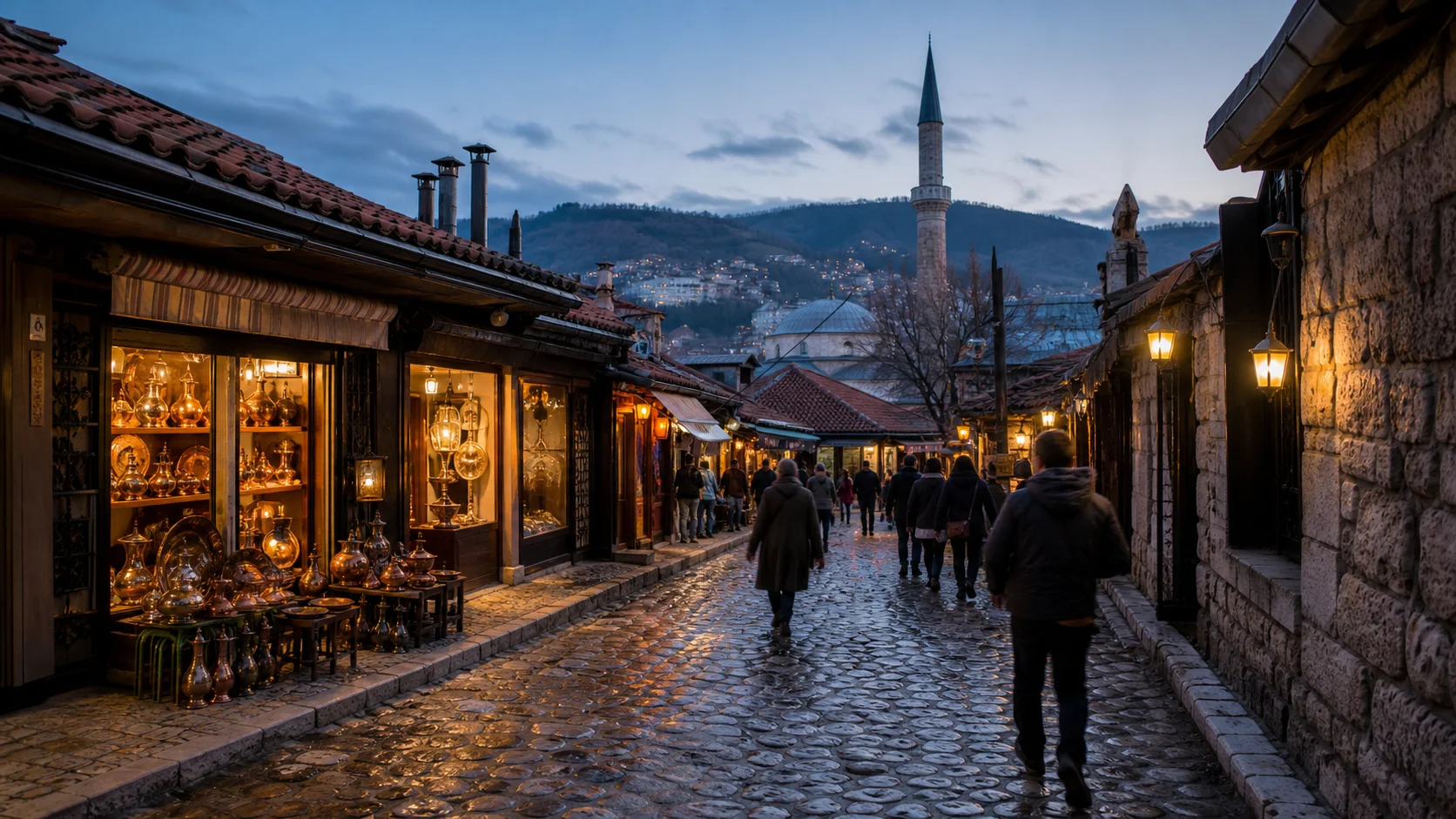
Start with the scene you want. If that scene is coffee arriving in a copper pot beside Baščaršija’s workshops, choose Sarajevo. If it is an evening on Calea Victoriei after a museum and a long park walk, Bucharest has more room. The number creates the shortlist; the day you want to live should make the final decision.
What the 2026 Numbers Mean
The barometer compares twelve common purchases for two adults in fifty European cities. Its basket includes two nights in a three-star hotel, a three-course evening meal, drinks, local transport, a sightseeing tour, museum and gallery admission, and a major attraction. Flights are excluded. The hotel component uses a dated sample of centrally located properties, and lodging is the largest reason the same city can move when your weekend changes.
That method is useful because every finalist faces the same test. It is not your trip budget. A solo traveler cannot simply divide the total by two because the room is shared, while a traveler planning five nights needs more meals and a different hotel search. The study also cannot tell whether you care about museums, club nights, mountain access, or how the city feels after dinner.
Use the totals to identify good-value places, then build your actual number with the Europe trip budget guide. Search the flight and room together. Check a Thursday-to-Sunday stay against a Sunday-to-Wednesday stay. If Sarajevo costs €120 more to reach than Bucharest from your airport, Sarajevo has not somehow remained cheaper because a table says £248.
Sarajevo: Best Overall
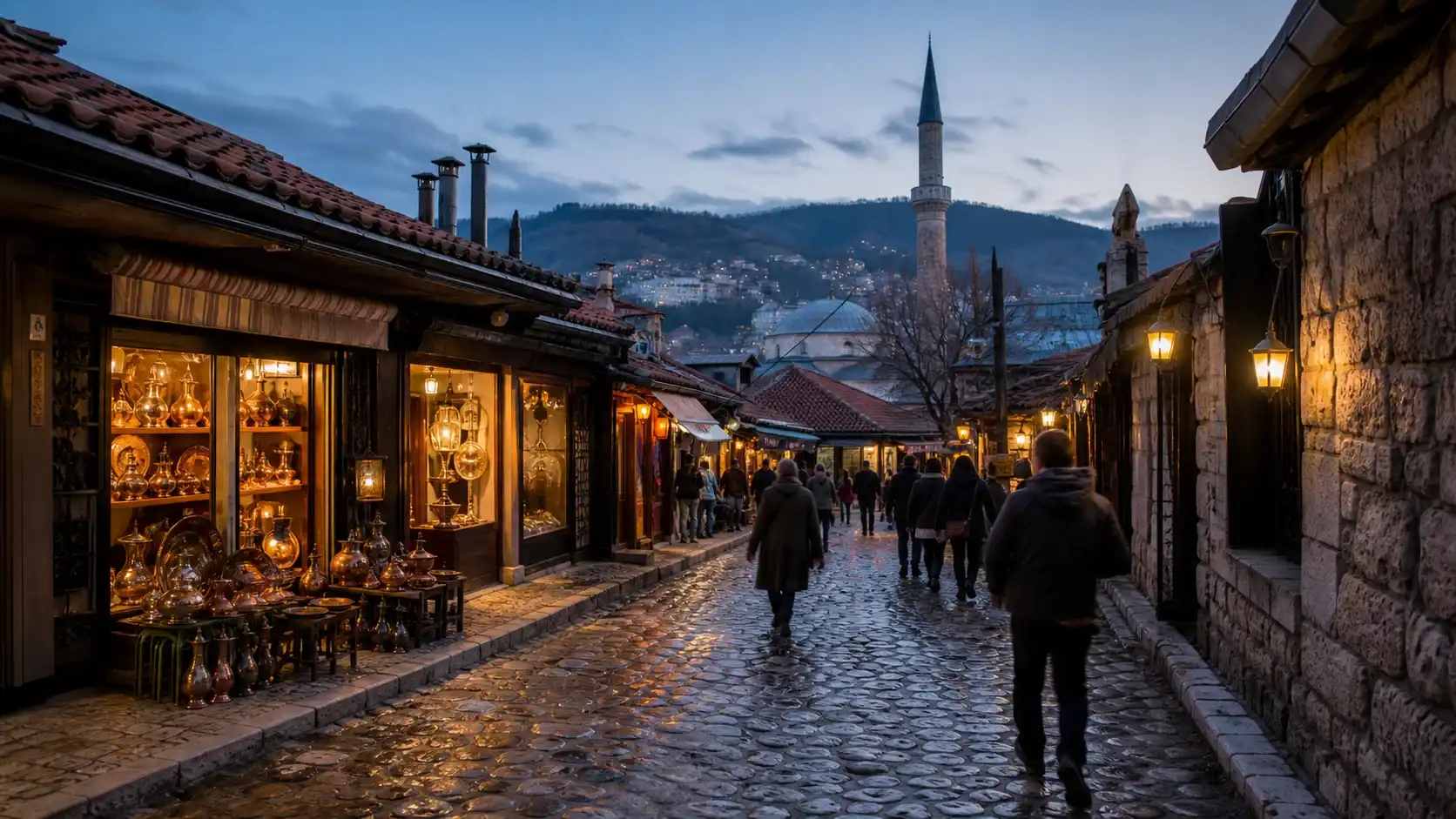
Sarajevo’s appeal is concentrated along a walk with a visible change in civilization. Around Baščaršija, low shopfronts hold copper trays, coffee sets, bakeries, and grills. Walk west and the Ottoman lanes give way to taller Austro-Hungarian facades; look past them and the mountains remain close enough to shape the light. Few inexpensive European capitals reveal their history so clearly within one afternoon.
The food makes that compactness useful. A plate of ćevapi with somun and onion, burek from a bakery, or Bosnian coffee served slowly belongs to the place without requiring a destination-restaurant budget. The city’s harder twentieth-century history deserves more than a hurried photo stop, too. Museums, memorials, and the marks left on ordinary streets change how the cheerful evening lanes read.
Give Sarajevo three nights. Use the arrival evening for Baščaršija. Spend the next day moving through the historic center and choosing one museum that treats the siege or assassination with depth. Let the third day slow down: take the Trebević cable car if weather and current operations cooperate, walk beside the Miljacka, or keep lunch going longer than planned. A fourth night earns its place when you want a substantial excursion. On a three-night break, another hotel would fragment Sarajevo just as its layers begin to connect.
The warning is access. Direct flights depend heavily on origin and season, and a connection can outweigh the modest savings on meals and rooms. A bargain beside the busiest lanes can also buy a noisy night. Compare a refundable room within walking distance of Baščaršija with one a few blocks toward the quieter center, then price the complete journey before committing.
Bucharest: Best Big-City Value
Bucharest is the choice for a traveler who hears “cheap city” and still wants several different city days. At blue hour on Calea Victoriei, the Romanian Athenaeum glows beyond the trees while restored palaces, patched facades, apartment blocks, wine bars, and traffic compete for attention. The contradictions are the atmosphere. Anyone seeking a polished medieval center should choose elsewhere; anyone interested in architecture, politics, parks, food, and a city still changing gets far more range.
Three nights allow that range to breathe. Give one day to Calea Victoriei, the Athenaeum area, and the historic core. Use another for a major museum and Herăstrău or Cișmigiu rather than stacking monumental interiors. The third can move through markets, residential streets, and a long Romanian dinner. A fourth night makes sense for a genuine excursion or a slower museum appetite. Brașov deserves to become a real second base on a longer Romania trip, not a dawn-to-dark obligation added to a weekend.
Public transport reinforces the value. Bucharest’s official surface-transit operator currently lists a 90-minute ticket at 3 RON, about €0.60 at the same ECB reference rate, and a 24-hour surface pass at 8 RON. That freedom matters in a spread-out city. It lets you choose a well-connected room outside the loudest part of the Old Town without turning each journey into a cost calculation.
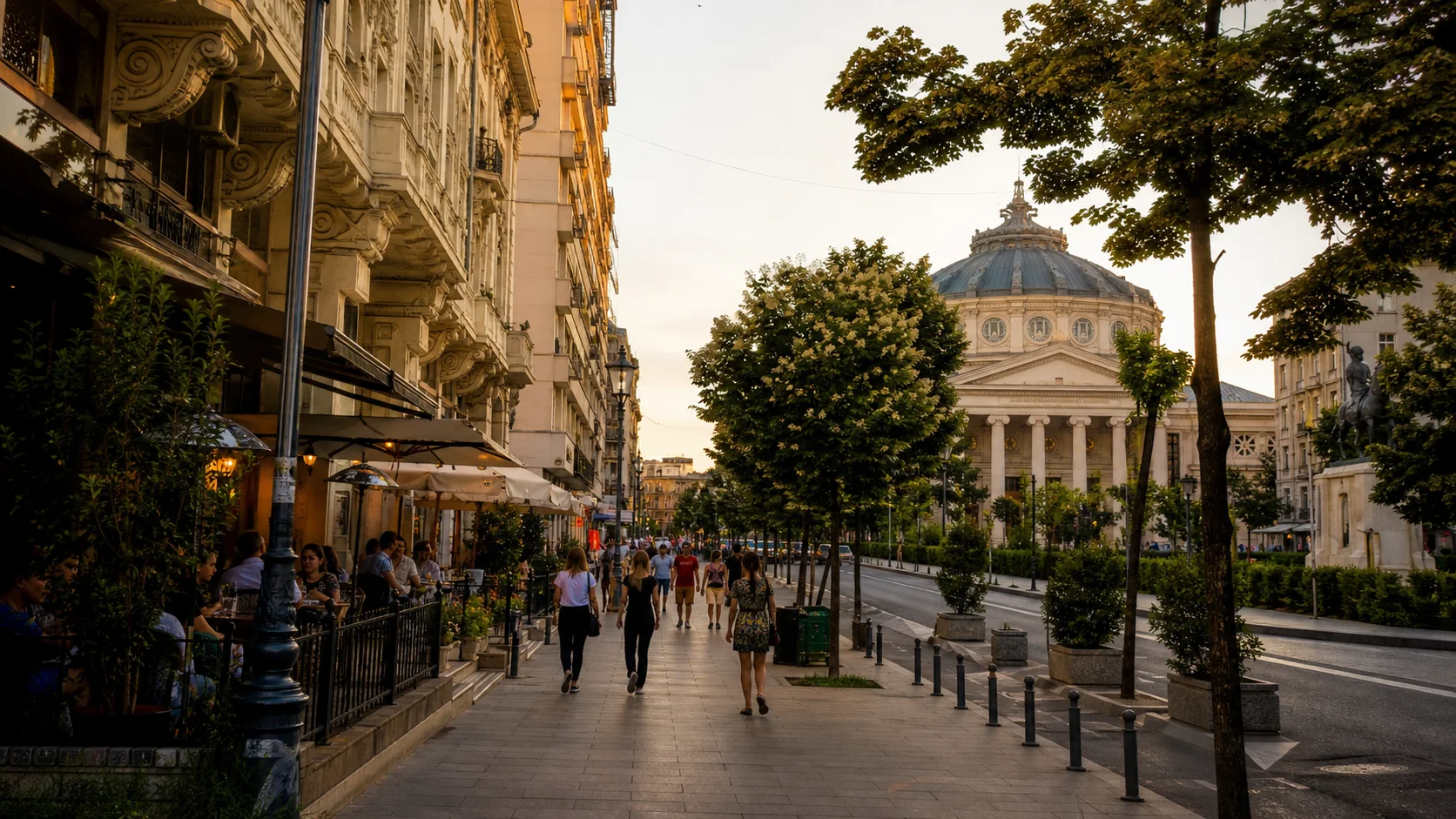
Do not judge Bucharest solely by a cheap room in the nightlife core. Map the Athenaeum, one museum, one park, and the evening neighborhood you want. If the address connects those days by one direct metro or tram, it is probably more valuable than a lower rate surrounded by bars you did not come to visit.
Tirana: Best Social Energy
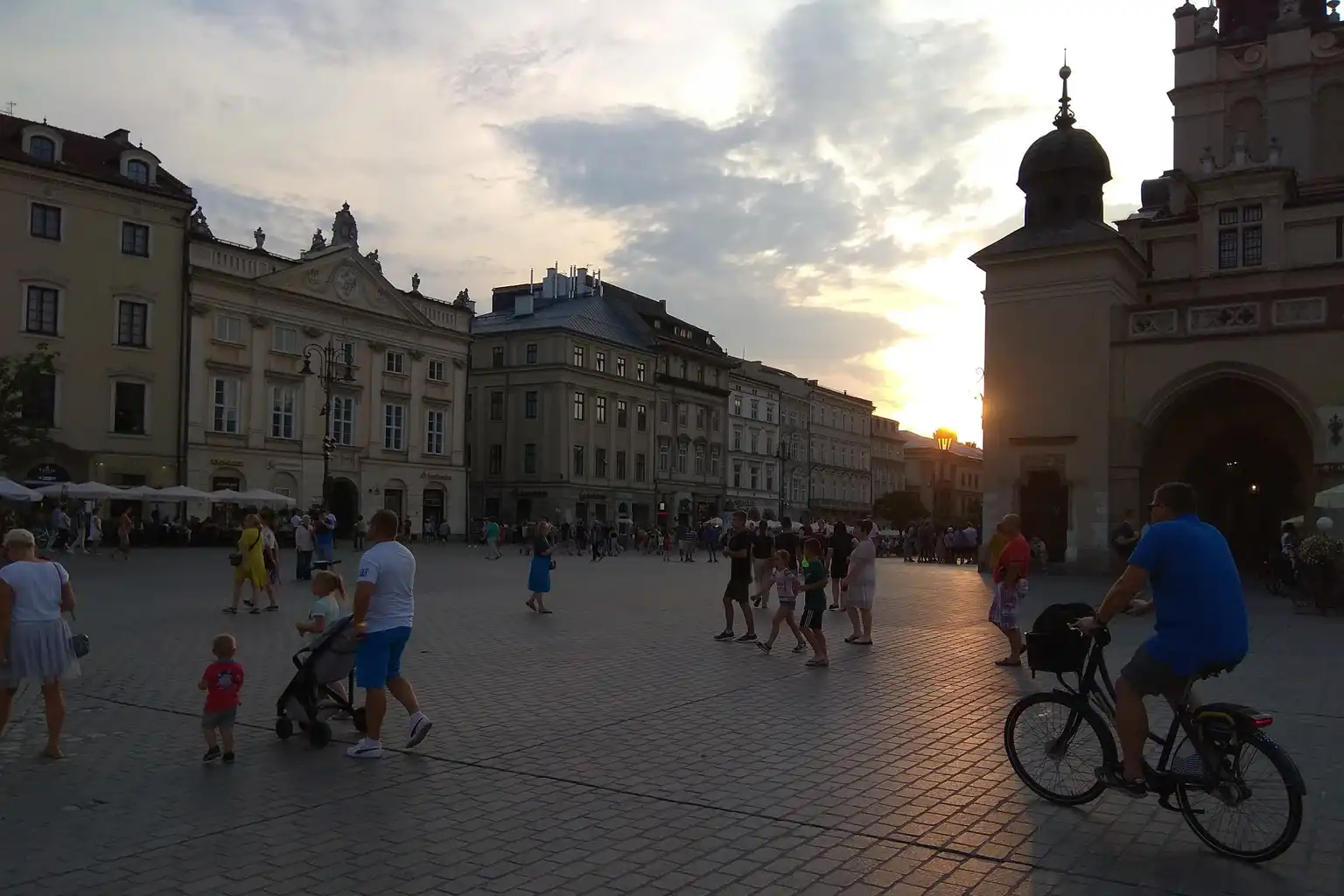
Tirana opens wide at Skanderbeg Square. Pale paving runs toward the clock tower and Et’hem Bey Mosque, cyclists cut across the space, and the bright blocks leading toward Blloku make the capital feel young even when the subject is communist history. The pleasure here is participation: espresso counters, byrek, crowded terraces, evening promenades, and conversations spilling beyond the formal sights.
This is the best two-night choice of the five. Circle Skanderbeg Square and Blloku on arrival, leaving time for dinner rather than trying to finish the monument list. On the full day, pair one modern-history site with a market or long lunch. Dajti can add mountain air and a broad city view when the weather cooperates. If a regional excursion matters, add a third night so Tirana does not become merely the place where the plane landed.
The city has fewer famous must-sees than Bucharest, which is either its weakness or its permission slip. Travelers who need a succession of major collections may run short. Travelers who want street life, food, recent history, and an outdoors extension can have a satisfying break without buying their way through the day.
Flights are again the decisive compromise. Tirana’s £263 study basket is only £15 above Sarajevo’s, a difference too small to survive an inconvenient route or baggage fee. Check the door-to-door fare, then choose a room within an easy walk of Skanderbeg Square or Blloku. If the trip is only two nights, do not spend the savings on a remote address and repeated taxi rides.
Belgrade: Best Nightlife and Rivers
Belgrade announces its scale from Kalemegdan. The fortress looks over the meeting of the Sava and Danube, with New Belgrade stretching beyond the water and old neighborhoods folding behind the walls. Later, Dorćol can deliver small bars, bakeries, and shaded streets while Zemun changes the scene again along its own riverfront. The city rewards travelers who expect friction, energy, and late hours rather than tidy beauty.
Allow three nights. The first full day belongs to Kalemegdan and the central historic spine. Give the second to Dorćol, a museum or market, and the Sava side. Let the third reach Zemun or protect a late evening from an early checkout. Novi Sad can improve a longer Serbian itinerary, but forcing it into a short weekend sacrifices the neighborhoods and nocturnal rhythm that make Belgrade the right answer.
Since January 1, 2025, Belgrade’s city public transport has been fare-free according to the official tourism organization. That removes a small but persistent cost and makes it easier to explore beyond the fortress. It does not make location irrelevant. Belgrade is broad, and the cheapest room may be inexpensive precisely because it sits far from the evening you imagined.
Choose the night first. For old streets and café access, investigate Dorćol. For the classic center, map the walk around Republic Square and Knez Mihailova. For a quieter riverside mood, compare Zemun while accepting the extra movement. Book the neighborhood whose return journey still sounds pleasant at midnight.
Trenčín: Best Compact Cultural Stop
Trenčín makes the opposite promise. Mierové námestie gathers pastel facades, cafés, and a long pedestrian space beneath a castle fixed dramatically to the rock above. The historic center runs out before your legs do. That compactness leaves time for the castle, a forest-edge walk, coffee, and the simple pleasure of watching evening settle over a square without planning the next crossing of town.
Two nights are enough for most travelers. Arrive early enough to see the castle silhouette and let dinner fill the first evening. Use the next day for Trenčín Castle, the old center, and the nearby green space, then anchor the night to something in the city’s 2026 European Capital of Culture program. A third night earns its place around a specific event or excursion. Otherwise, Bratislava or the Tatras should become a separate base on a longer Slovak route.
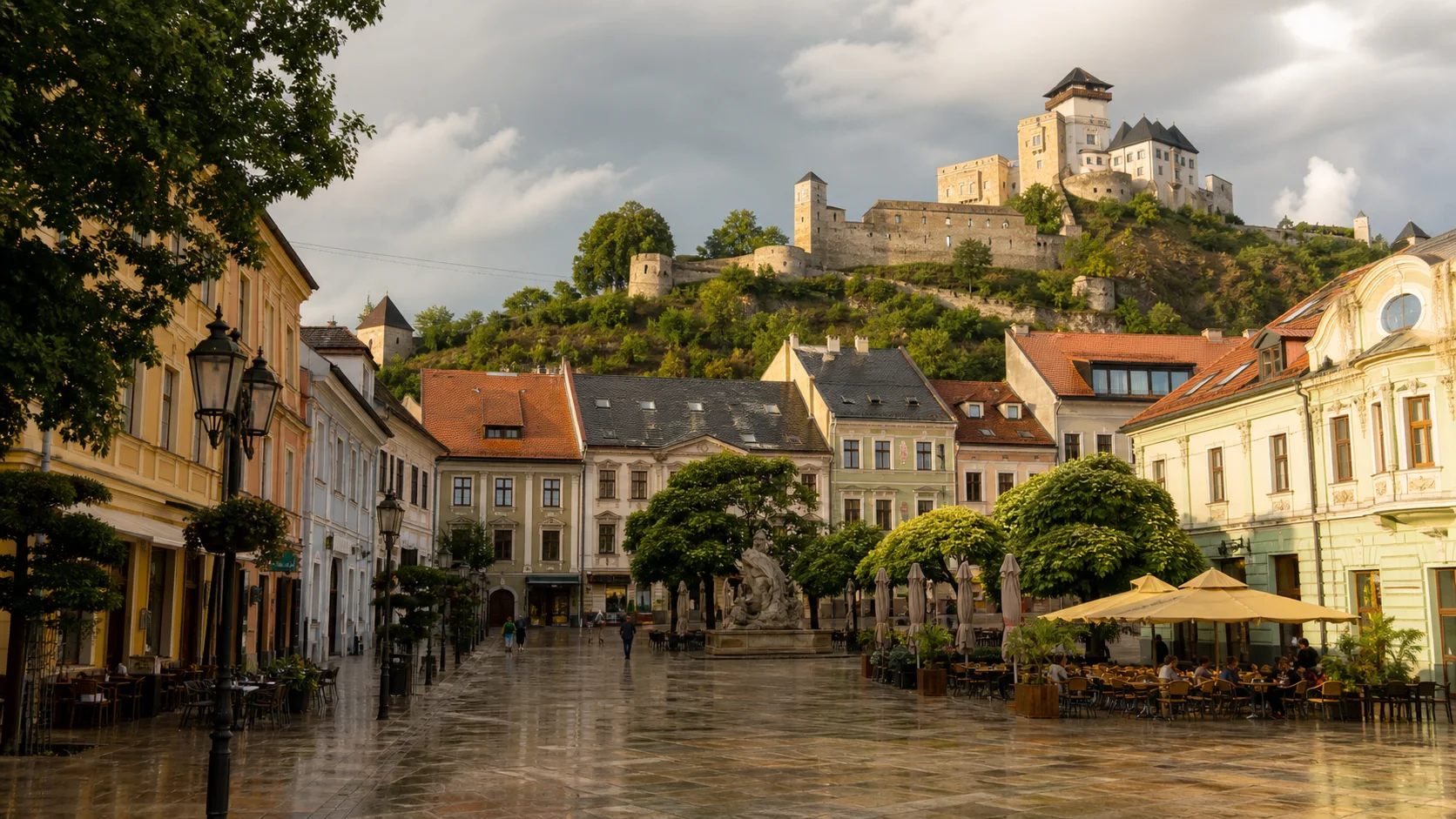
The compromise is range. Trenčín cannot supply three major museum days, sprawling nightlife districts, and a new neighborhood every morning. It works as a beautiful pause in a broader Central Europe trip or a focused cultural weekend. Before booking, choose the castle, walk, exhibition, concert, or onward rail connection that gives the second day its shape. Quiet is rewarding when it is intentional.
Choose Your City
Protect one part of the trip and the choice becomes easier.
Choose Sarajevo when history, food, compact atmosphere, and mountain scenery all need to appear in the same three nights. Choose Bucharest when you want a capital with enough museums, parks, architecture, and neighborhoods to absorb a longer stay. Choose Tirana for a quick, social break with modern history and an optional mountain day. Choose Belgrade when the evening matters as much as the sightseeing. Choose Trenčín when a castle town and cultural event would feel restorative after larger cities.
Then challenge the bargain. Compare the exact flight or train, a well-located refundable room, and the local experience you care about. A £24 gap in a published basket should never persuade you to accept an overnight connection, two airport buses, or a city whose main pleasures leave you cold.
Avoid collecting cheap capitals simply because the map permits it. Three nights in Sarajevo produce an arrival evening, a substantial history day, and a slower encounter with the mountains. Split those nights with another base and you buy two checkouts while losing the day that turns the city from attractive to meaningful.
My Verdict
Sarajevo wins because the value survives after the arithmetic. Its center is immediately legible, its food belongs unmistakably to the place, its history demands attention, and its mountain setting changes an ordinary walk. Book three nights, not two, and let one day move more slowly than the cheapest-flight schedule suggests.
If the flight makes Sarajevo awkward, do not force the ranking. Bucharest is the strongest substitute for depth, Tirana for a short energetic escape, Belgrade for a trip that comes alive after dark, and Trenčín for a quiet Central European interval. Open the room map and transport search side by side. The right cheap city is the one whose evening you already want—not the one that wins by £7 in somebody else’s basket.